
Get Answers
Introduction to Hosepipe Bans
In the United Kingdom, hosepipe bans, also known as temporary water use restrictions, are measures implemented to conserve water during periods of scarcity. Despite the UK's reputation for wet weather, these bans are necessary to ensure an adequate supply of potable water during dry spells, particularly in the summer months. Understanding why and how these bans are imposed can shed light on water conservation challenges and strategies in the UK.
Reasons for Hosepipe Bans
The primary reason for imposing a hosepipe ban is to manage water resources during drought conditions. Prolonged dry weather and lower-than-average rainfall can significantly reduce water reservoir levels, rivers, and aquifers, leading to reduced availability of water for public supply. During these periods, water companies may struggle to meet demand, making conservation measures essential to prevent shortages and ensure equitable distribution of available resources.
Water demand typically increases during warm and dry periods as people tend to use more water for activities such as gardening, filling paddling pools, and washing cars. This spike in demand can exacerbate supply issues, particularly in areas already facing limited water resources. Hosepipe bans specifically target non-essential water usage to curb this increased demand, prioritizing essential uses such as drinking, cooking, and sanitation.
How Hosepipe Bans Work
When a hosepipe ban is implemented, it prohibits the use of hosepipes and sprinklers for watering gardens, filling swimming pools, cleaning vehicles, and similar activities. These bans are enforced by local water companies and apply to domestic customers within affected areas. Typically, they are announced with ample notice, allowing residents to adjust their water usage habits accordingly.
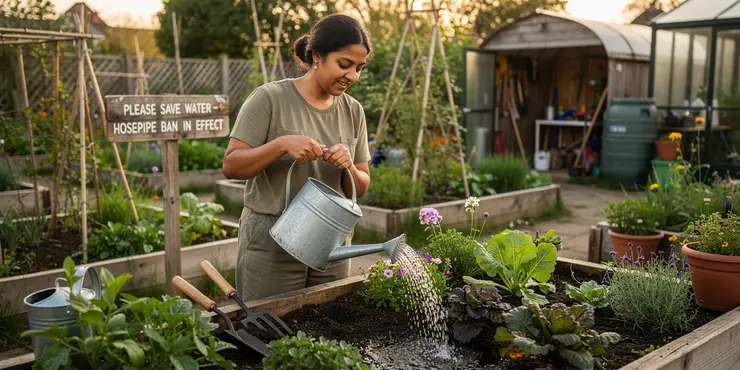
Some exemptions may apply, such as for people with disabilities or those who rely on a hosepipe for business purposes like window cleaning or car washing. Additionally, using a watering can or bucket typically remains permitted, as these methods use significantly less water than hosepipes.
Implications and Importance
Hosepipe bans play a crucial role in raising awareness about water conservation and encouraging responsible water usage among the public. They serve as a reminder of the finite nature of water resources, promoting habits that contribute to long-term sustainability. Furthermore, these bans help protect natural ecosystems that depend on healthy river flows and groundwater levels.
In the UK, climate change and population growth pose ongoing challenges to water security. Increasing temperatures and changing rainfall patterns may lead to more frequent and severe droughts, making effective water management and conservation even more vital. By adhering to hosepipe bans and adopting water-saving measures, individuals can contribute to the collective effort of preserving this precious resource.
Conclusion
Hosepipe bans are essential tools for managing water resources during periods of scarcity in the UK. By curbing non-essential water use, these bans help ensure that there is enough water for essential needs while also promoting sustainable water practices. Understanding the reasons behind these bans and complying with them is crucial for the long-term protection and conservation of the UK's water resources.
Introduction to Hosepipe Bans
In the United Kingdom, a hosepipe ban is a rule to save water when there is not much rain. Even though it rains a lot in the UK, sometimes there still isn't enough water. During dry times, especially in summer, these bans help make sure everyone has enough water to drink and use. Knowing why and how these bans work helps people learn more about saving water.
Reasons for Hosepipe Bans
A hosepipe ban happens mainly because of droughts. A drought is when there is not much rain for a long time. This can make rivers and lakes have less water. Water companies might find it hard to give everyone enough water, so bans help to share water fairly.
People use more water in warm and dry weather for things like watering gardens, filling small pools, and washing cars. This can cause water shortages, especially where there is already less water. Hosepipe bans stop using water for things that are not as important, like washing cars, so there is enough for drinking and cooking.
How Hosepipe Bans Work
When a hosepipe ban starts, you can't use hosepipes or sprinklers for gardens, pools, or cars. Local water companies tell people about the ban, so they have time to change how they use water.
Some people might still be allowed to use a hosepipe, like those with disabilities or who need it for their job, like window and car cleaners. But you can still use a watering can or bucket because they use less water.
Implications and Importance
Hosepipe bans help people think about saving water and using it wisely. Water is not endless, so these bans remind people to save it for the future. They also help keep rivers and the places around them healthy.
With more people and changes in weather, it's getting harder to keep water supply steady. It might get hotter and rain less, which means there could be more droughts. By following hosepipe bans and saving water, everyone can help make sure there is enough water for now and the future.
Conclusion
Hosepipe bans are important for saving water when there isn't a lot. They stop unnecessary use of water to make sure there is enough for drinking and cooking. Understanding and following these bans helps protect the UK's water for a long time.
Frequently Asked Questions
A hosepipe ban is a restriction on the use of hosepipes for watering gardens, washing cars, and other outdoor uses, typically imposed by water companies during periods of water shortage.
Hosepipe bans are imposed to conserve water during times of drought or low water supply, ensuring that there is enough water for essential uses like drinking and sanitation.
Hosepipe bans are usually enforced during hot, dry periods when there is little rainfall and the water supply is lower than normal.
Hosepipe bans are typically decided by water companies in consultation with regulatory bodies, based on current water levels and forecasts.
During a hosepipe ban, using hosepipes for watering gardens, washing vehicles, filling pools, and similar activities is restricted.
Yes, during a hosepipe ban, using a watering can for gardens and plants is usually still allowed as it is a more water-efficient method compared to hosepipes.
Exemptions to hosepipe bans may include commercial use or specific needs like mobility issues, where alternatives to hosepipes are not practical.
Hosepipe bans help preserve water by significantly reducing the amount of water used for non-essential activities, allowing more water to remain available for essential needs.
Penalties for breaking a hosepipe ban can include fines, which vary by region and water company policies.
The duration of a hosepipe ban depends on weather conditions and water supply levels, and can last several weeks or months until conditions improve.
Yes, some businesses, especially those reliant on water usage, may be affected by hosepipe bans unless specific exemptions apply.
Hosepipe bans typically apply to water supplied by water companies; private wells may not be subjected to bans but responsible usage is encouraged.
To prepare for a hosepipe ban, reduce water usage, invest in water-efficient devices, and collect rainwater for non-drinking purposes.
Hosepipe bans are more common in areas prone to drought conditions or those that experience unusually low rainfall and high water usage.
Yes, advancements in water management, conservation technologies, and efficient irrigation systems can help reduce the frequency and necessity of hosepipe bans.
Public compliance is encouraged through awareness campaigns, education about water conservation, and implementing fines for non-compliance.
Other measures may include leak repairs, promoting water-efficient appliances, and encouraging habits like shorter showers.
Yes, rules and exemptions for hosepipe bans can vary based on local conditions, water company policies, and regional regulations.
Climate change can lead to more frequent and severe droughts, potentially increasing the frequency and duration of hosepipe bans.
Alternatives include using mulch to retain soil moisture, installing drip irrigation, and utilizing rainwater collection systems.
A hosepipe ban means you can't use your hosepipe to water the garden or wash the car. This happens when there is not enough water. Water companies decide when to have a ban.
Hosepipe bans mean you can't use your garden hose. This happens when there isn't much rain. It helps save water so we have enough for important things like drinking and washing.
If you find reading hard, you can try using pictures to help understand the words. You can also ask someone to read with you or use an app that reads the text out loud.
Hosepipe bans happen when it is very hot and dry. This means there is not much rain and there is less water than usual.
Water companies decide when to stop people using hosepipes. They talk to important groups about how much water there is now and what they think will happen.
When there is a hosepipe ban, you cannot use hosepipes for watering gardens, washing cars, filling pools, or doing similar things.
Yes, if there is a hosepipe ban, you can still use a watering can to water your garden and plants. Using a watering can saves more water than a hosepipe.
Some people do not have to follow hosepipe bans. For example, businesses or people who have special needs, like finding it hard to move around, might still use a hosepipe if other methods do not work well.
Hosepipe bans save water. This means people use less water for things we don't really need. So, there is more water left for important things.
If you use a hose when you are not allowed, you might have to pay money as a fine. How much you have to pay depends on where you live and the rules of your water company.
A hosepipe ban can last for a short time or a long time. It depends on the weather and how much water is available. The ban stays until the weather gets better and there is more water.
Here are some helpful tips:
- Use pictures or charts to help understand.
- Ask someone to explain if you find it tricky.
- Take breaks and read slowly.
Yes, some businesses that use a lot of water might be affected by hosepipe bans. But sometimes there are special rules that let those businesses use water anyway.
Hosepipe bans happen when water companies say you can't use your hosepipe. If you have water from your own private well, you might not have a ban, but it's good to use water carefully.
Get ready for a hosepipe ban by using less water. Buy things that help save water. You can also save rainwater to use for things like watering plants, but not for drinking.
Hosepipe bans happen when there is not enough water. This can be because of little rain or when people use too much water.
New ways to save and use water can help us stop hosepipe bans. We have better ways to manage water, save water, and water our plants wisely.
We can help people follow the rules by teaching them about saving water, telling them why it's important, and giving fines if they don't follow the rules.
We can save water by fixing leaks, using water-saving machines, and taking shorter showers.
Yes, rules about using hosepipes can be different in each area. It depends on the weather, the water company, and local rules.
Weather changes can make dry times happen more often and last longer. This might mean we can't use hoses as much for a longer time.
You can try different things to save water in your garden. Here are some ideas:
- Put mulch around your plants. Mulch is stuff like wood chips or straw that keeps the ground wet.
- Use drip irrigation. This is a special way to water plants slowly so they get just the right amount of water.
- Save rainwater. You can collect rain in a big container and use it to water your garden.

Ergsy Search Results
This website offers general information and is not a substitute for professional advice.
Always seek guidance from qualified professionals.
If you have any medical concerns or need urgent help, contact a healthcare professional or emergency services immediately.
Some of this content was generated with AI assistance. We've done our best to keep it accurate, helpful, and human-friendly.
- Ergsy carefully checks the information in the videos we provide here.
- Videos shown by Youtube after a video has completed, have NOT been reviewed by ERGSY.
- To view, click the arrow in centre of video.
- Most of the videos you find here will have subtitles and/or closed captions available.
- You may need to turn these on, and choose your preferred language.
- Go to the video you'd like to watch.
- If closed captions (CC) are available, settings will be visible on the bottom right of the video player.
- To turn on Captions, click settings.
- To turn off Captions, click settings again.