
Get Answers
Understanding Meningitis
Meningitis is an inflammation of the membranes surrounding the brain and spinal cord. It can be caused by viral, bacterial, or fungal infections. Of these, bacterial meningitis is typically the most severe and can lead to serious complications or even death if not treated promptly. Vaccinations play a critical role in preventing certain types of bacterial meningitis.
Who Should Get Vaccinated?
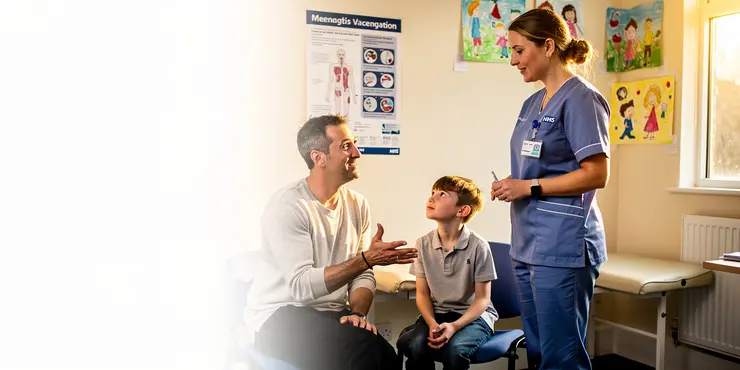
In the UK, the National Health Service (NHS) provides recommendations on meningitis vaccinations to protect against various strains such as MenACWY and MenB. It's important to be aware of who should receive these vaccinations to ensure optimal protection against meningitis.
Infants and Young Children
Infants and young children are at a greater risk of meningitis, particularly from Group B Streptococcus, Haemophilus influenzae type b (Hib), and pneumococcal bacteria. In the UK, the MenB vaccine is offered to babies at 8 weeks, followed by separate doses at 16 weeks and a booster at 1 year. The Hib/MenC vaccine is administered at 1 year to protect against two different types of bacteria.
Adolescents and Young Adults
Adolescents and young adults, particularly those entering university for the first time, are at increased risk of contracting meningococcal disease. The MenACWY vaccine, which protects against four different strains of the meningococcal bacteria, is offered to teenagers at around 14 years old. It is also provided to new university students who haven't been previously vaccinated.
Travelers to High-Risk Areas
Certain regions around the world have higher instances of meningococcal disease, such as parts of Africa. Travelers to these areas are advised to get the MenACWY vaccine for protection. Additionally, some countries require proof of vaccination for entry, particularly during religious pilgrimages like Hajj in Saudi Arabia.
Individuals with Medical Conditions
People with certain medical conditions are more susceptible to meningitis and may require vaccination. This includes individuals with splenic dysfunction or those without a spleen, complement deficiencies, or those undergoing treatments that affect the immune system. These individuals should consult their healthcare provider to receive appropriate vaccination advice.
Conclusion
Meningitis vaccination in the UK is an essential preventative measure for high-risk groups including infants, adolescents, travelers to certain regions, and individuals with specific health conditions. Keeping up-to-date with vaccinations and consulting healthcare providers can help protect against the severe impacts of meningitis.
What is Meningitis?
Meningitis is when the covering around your brain and spine gets swollen. Germs like viruses or bacteria can cause it. Bacterial meningitis is the worst type. It can make you very sick or even worse if not treated fast. Vaccines can help stop some kinds of bacterial meningitis.
Who Needs a Meningitis Vaccine?
In the UK, the NHS gives advice about who should get a meningitis vaccine. There are different vaccines like MenACWY and MenB. Knowing who needs them helps keep people safe from meningitis.
Babies and Small Children
Babies and small children can get meningitis more easily. This is from something called Group B Strep, Hib, and pneumococcal bacteria. In the UK, babies get the MenB vaccine at 8 weeks, then again at 16 weeks, and one more shot at 1 year. The Hib/MenC vaccine is given at 1 year to protect against other germs.
Teenagers and Young Adults
Teenagers and young people, especially those starting university, can catch meningitis. They get the MenACWY vaccine at about 14 years old. New university students who didn't get it before should have it too.
People Traveling to Risky Areas
Some places in the world, like parts of Africa, have more meningitis. Travelers to these places should get the MenACWY shot. Also, some countries ask for a vaccination paper to let you in, like going to Hajj in Saudi Arabia.
People with Health Problems
Some people have health conditions that make them easier to get meningitis. This includes people without a spleen or with certain immune problems. They should talk to their doctor to find out about getting the vaccine.
The Takeaway
In the UK, vaccines for meningitis are important, especially for babies, teenagers, travelers, and people with certain health issues. Keeping up with vaccines and asking your doctor questions helps keep you safe from meningitis.
Frequently Asked Questions
It is generally recommended for preteens, teens, and young adults, particularly those entering college or military service, as well as individuals traveling to countries where meningitis is common.
Children should receive their first dose of the quadrivalent meningococcal conjugate vaccine (MenACWY) at 11-12 years old, followed by a booster at age 16.
Yes, college students, especially those living in dormitories, are at increased risk and should be vaccinated.
Yes, individuals with certain medical conditions, travelers to high-risk areas, and laboratory workers should prioritize vaccination.
Teenagers and young adults aged 16-23 are recommended to get the MenB vaccine for short-term protection against the B strains of meningitis.
Yes, travelers to sub-Saharan Africa or areas experiencing outbreaks should consider vaccination.
Yes, military recruits receive the meningococcal vaccine due to the close living quarters which increase transmission risk.
Individuals with compromised immune systems are strongly advised to get vaccinated due to their increased risk of infection.
Yes, the CDC recommends meningitis vaccination for adolescents to protect against outbreaks and infections.
In some cases, infants at increased risk for meningococcal disease may be vaccinated as early as 2 months old.
Yes, international students living in crowded conditions like dormitories are advised to get vaccinated.
Health care workers, particularly those who may be exposed to the Neisseria meningitidis bacteria, should consider vaccination.
While meningococcal vaccines are generally safe, pregnant individuals should discuss vaccination with their healthcare provider.
Generally, adults over 25 are not recommended for routine vaccination unless they are part of a specific risk group.
People who have had meningitis should consult their healthcare provider about vaccination based on their individual health status.
HIV-infected individuals aged 2 months and older should receive the meningococcal conjugate vaccine due to their increased risk.
Vaccination is generally not routinely recommended for seniors unless they have specific risk factors.
Vaccination is required for travelers attending Hajj or Umrah due to the large gatherings and risk of infection.
Yes, people who have been in close contact with a meningitis patient may need to be vaccinated as a preventive measure.
Yes, MenACWY is recommended for all adolescents, while MenB is recommended based on individual decision for those aged 16-23.
This vaccine is important for older kids, teenagers, and young adults. It's especially good for kids going to college or the military. It's also helpful for people traveling to places where meningitis happens a lot.
Kids should get their first shot of the MenACWY vaccine when they are 11 or 12 years old. They should get another shot to help keep them safe when they turn 16.
Yes, college students, especially those living in dorms, have a higher chance of getting sick and should get the vaccine.
Yes, some people need to get vaccinated. These are people who:
- Have certain health problems.
- Travel to places where it's easy to get sick.
- Work in labs with germs.
These people should get their shots to stay healthy.
If you need help, ask an adult or use tools that read text out loud.
People who are 16 to 23 years old should get the MenB shot. This shot helps protect against a sickness called meningitis.
Yes, people traveling to some parts of Africa or places with disease outbreaks should think about getting a vaccine.
Yes, people who join the army get a shot to protect them from getting sick. This is because they live close together and germs can spread easily.
People who have weak immune systems should get the vaccine. It helps protect them because they can get sick more easily.
The CDC says teens should get a shot to stop meningitis. Meningitis can make people very sick, so the shot helps keep them safe.
Some babies might get sick with a disease called meningococcal disease. If the doctor thinks your baby is more likely to get sick, they can get a special shot starting as early as 2 months old.
Yes, students from other countries who live in busy places like dorms should get a vaccine.
People who work in health care, especially those who might come into contact with a germ called Neisseria meningitidis, should think about getting a shot to protect themselves.
Meningococcal vaccines can help protect against some illnesses. They are usually safe. But if you are pregnant, talk to your doctor before getting the vaccine. They can help you decide if it is right for you.
Most people who are older than 25 don’t need the vaccine. They only need it if they have a special reason to get it.
If you had meningitis, talk to your doctor about getting a vaccine. Everyone is different, so your doctor can help decide what's best for you.
People with HIV who are 2 months old and older should get a special vaccine. This vaccine helps protect them from getting sick because they have a higher chance of getting an infection.
Older people don't usually need this jab, unless they have certain health problems that put them at risk.
People going on a trip for Hajj or Umrah need to get a vaccine. This is because there are many people there, and you could get sick.
If you find reading hard, you can use tools like text-to-speech to listen instead. You could also ask someone to read it with you.
Yes, people who have been near someone with meningitis might need a vaccine to stay safe.
Yes, all kids and teenagers should get the MenACWY vaccine. The MenB vaccine is for teens and young adults aged 16-23, but they can choose if they want it.

Ergsy Search Results
This website offers general information and is not a substitute for professional advice.
Always seek guidance from qualified professionals.
If you have any medical concerns or need urgent help, contact a healthcare professional or emergency services immediately.
Some of this content was generated with AI assistance. We've done our best to keep it accurate, helpful, and human-friendly.
- Ergsy carefully checks the information in the videos we provide here.
- Videos shown by Youtube after a video has completed, have NOT been reviewed by ERGSY.
- To view, click the arrow in centre of video.
- Most of the videos you find here will have subtitles and/or closed captions available.
- You may need to turn these on, and choose your preferred language.
- Go to the video you'd like to watch.
- If closed captions (CC) are available, settings will be visible on the bottom right of the video player.
- To turn on Captions, click settings.
- To turn off Captions, click settings again.