
Get Answers
Who is at Risk for Severe Chikungunya Infection?
Chikungunya is a viral disease transmitted to humans by infected mosquitoes, primarily Aedes aegypti and Aedes albopictus. It is characterized by an abrupt onset of fever, rash, and severe joint pain. While the disease itself is rarely fatal, certain populations are at an increased risk of experiencing severe symptoms and complications. Understanding who is at greater risk can help in preventive measures and improving patient care.
Infants and Young Children
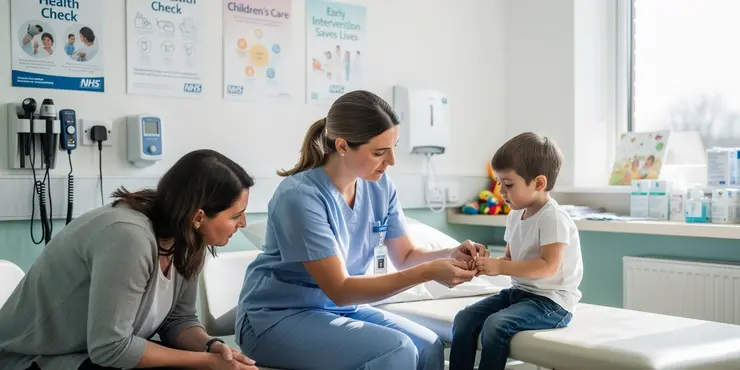
Infants and young children are particularly vulnerable to severe Chikungunya infection. Their immune systems are still developing, making them less capable of fighting off the virus. In some cases, newborns can contract the virus from their mothers during childbirth, which can lead to neonatal chikungunya, a more serious condition that requires medical attention. Close monitoring and early intervention are crucial for these age groups to manage the symptoms effectively and prevent further complications.
Elderly Individuals
Age is a significant risk factor for severe Chikungunya infection. Elderly individuals are more likely to experience prolonged and severe symptoms due to weakened immune systems and the presence of underlying health conditions. Joint pain and other symptoms can also be more debilitating in older adults, affecting their mobility and quality of life. Increased vigilance and prompt medical treatment are recommended for elderly patients who contract the virus.
People with Pre-existing Health Conditions
Individuals with pre-existing health conditions are at a heightened risk of severe Chikungunya infection. Conditions such as diabetes, hypertension, and chronic respiratory or cardiac diseases can exacerbate the symptoms of chikungunya and lead to more serious complications. Managing these underlying conditions effectively can help mitigate the impact of the virus and reduce the risk of severe outcomes.
Pregnant Women
Pregnant women are advised to take extra precautions to avoid Chikungunya infection. While the virus does not typically pose a significant risk to the developing fetus, maternal infection can lead to severe symptoms and complications for the mother. Additionally, if the mother is infected close to her delivery date, there is a risk of transmitting the virus to the newborn, which can result in neonatal chikungunya and severe symptoms in the infant.
Preventive Measures
While no vaccine is currently available for Chikungunya, preventive measures can help reduce the risk of infection, especially for vulnerable populations. These measures include using mosquito repellent, wearing long-sleeved clothing, installing window screens, and eliminating standing water where mosquitoes breed. In areas with active transmission, community-wide efforts to reduce mosquito populations can also be effective in preventing outbreaks.
Who is at Risk for Severe Chikungunya Infection?
Chikungunya is a virus that makes people sick. It spreads to people through mosquito bites. The mosquitoes that carry it are called Aedes aegypti and Aedes albopictus. Chikungunya can cause fever, rash, and very painful joints. Most of the time, it is not deadly, but some people can get very sick from it. Knowing who is more at risk can help them stay healthy.
Infants and Young Children
Babies and young kids can get very sick from Chikungunya. Their bodies are still growing and are not as strong to fight off the virus. Sometimes, babies might get the virus from their mom when they are born. This is called neonatal chikungunya, and it can be very serious. It is important to keep a close watch on babies and young kids and get them help quickly if they get sick.
Elderly Individuals
Older people have a higher chance of getting very sick from Chikungunya. Their bodies are not as strong, and they might already have other health problems. The joint pain and other symptoms can make it hard for them to move around and enjoy life. It is important for older people to see a doctor quickly if they get the virus.
People with Pre-existing Health Conditions
People who have health problems like diabetes or heart issues can get more sick from Chikungunya. These health problems can make the virus symptoms worse. Taking care of these health issues can help make the virus less serious if they catch it.
Pregnant Women
Pregnant women need to be extra careful not to get Chikungunya. The virus usually does not harm the baby, but it can make the mom very sick. If the mom gets the virus near the time she is going to have the baby, the baby might get the virus too. This can cause serious problems for the baby.
Preventive Measures
There is no shot to stop Chikungunya right now, but there are things you can do to avoid getting it. Use bug spray, wear clothes with long sleeves, put screens on windows, and get rid of standing water where mosquitoes can grow. In places where a lot of people have Chikungunya, everyone working together can stop the mosquitoes from spreading the virus.
Frequently Asked Questions
Infants, older adults, and people with underlying health conditions are most at risk for severe Chikungunya infection.
Infants and young children, especially newborns, are at a higher risk of severe illness from Chikungunya.
Pregnant women, particularly in the late stages of pregnancy, can transmit the virus to their newborns, which may be severe.
Yes, older adults are more susceptible to complications and severe disease outcomes from Chikungunya.
Chronic conditions such as diabetes, heart disease, and hypertension can increase the risk of severe Chikungunya infection.
Yes, individuals with weakened immune systems are at a higher risk of severe symptoms and complications.
People with kidney disease may experience more severe symptoms and are at heightened risk for complications.
Malnourished individuals may be at a higher risk for severe cases of Chikungunya due to compromised immunity.
Individuals with chronic respiratory diseases may experience more severe symptoms if infected.
Yes, both very young and older individuals are at higher risk for severe Chikungunya infection.
Individuals with cardiovascular conditions may experience increased vulnerability to severe outcomes from Chikungunya.
People with autoimmune diseases may have a heightened risk of severe symptoms due to altered immune responses.
Yes, individuals with liver conditions might be at a greater risk of severe Chikungunya infection.
Yes, due to compromised immunity, individuals with HIV are at higher risk for severe symptoms and complications.
Yes, people on immunosuppressive drugs may have a higher risk of severe infection due to lowered immune defenses.
Severe obesity can be a risk factor for more severe symptoms and complications from Chikungunya.
Individuals with neurological conditions may experience more severe effects from a Chikungunya infection.
Yes, co-infections with other diseases can lead to more severe outcomes in Chikungunya patients.
Factors like age, underlying health conditions, and immune system status contribute to variations in disease severity.
Travelers to endemic areas with poor healthcare access might face higher risks due to delayed treatment and higher viral exposure.
Babies, older people, and people who are already sick are most at risk from bad Chikungunya sickness.
Babies and small children can get very sick from a disease called Chikungunya. Newborn babies are most at risk.
When a mom is going to have a baby and she is sick, sometimes the baby can get sick too. This can happen right before the baby is born, and it might make the baby very sick.
Yes, older people can get sicker from Chikungunya. They might have more problems if they catch it.
Having long-term health problems like diabetes, heart disease, and high blood pressure can make Chikungunya infection worse.
Yes, people with weak immune systems can get very sick and have more problems.
People who have kidney problems might feel worse symptoms. They also have a higher chance of getting sicker.
People who do not get enough food might get very sick if they catch Chikungunya because their bodies can't fight back as well.
Using tools like screen readers or text-to-speech apps can help understand this information better.
People who have lung illnesses might get sicker if they catch this infection.
Yes, young children and older people can get very sick from Chikungunya.
People with heart problems can get very sick if they catch a disease called Chikungunya.
If you have heart problems, it's important to take care of yourself and stay healthy. You can ask a doctor for advice.
To keep yourself safe, be sure to protect against mosquito bites, because mosquitoes can spread Chikungunya.
Some helpful tools or techniques include:
- Use mosquito spray on your skin and clothes.
- Put up nets around beds to keep mosquitoes away at night.
- Wear long sleeves and pants when mosquitoes are around.
- Keep windows and doors closed or have screens.
People with diseases that affect their immune system might get sicker because their body's defense system works differently.
Yes, people with liver problems might get sicker if they catch Chikungunya.
Yes, people with HIV get sick easier because their body's defense system is not strong. They might have stronger symptoms and problems when they are sick.
Yes, people who take special medicine to help their immune system might get very sick more easily because their body's defenses are weaker.
Being very overweight can make Chikungunya symptoms worse and cause more problems.
People with brain or nerve problems can get sicker if they catch Chikungunya.
If you have other illnesses along with Chikungunya, you can get sicker.
How sick someone gets can change for different people. It depends on things like how old they are, if they have other health problems, and how strong their body's defense (immune system) is.
People traveling to places where the disease is common and where healthcare is not good might be at more risk. They could get sick because it takes longer to get help and they might be around the virus more.

Ergsy Search Results
This website offers general information and is not a substitute for professional advice.
Always seek guidance from qualified professionals.
If you have any medical concerns or need urgent help, contact a healthcare professional or emergency services immediately.
Some of this content was generated with AI assistance. We've done our best to keep it accurate, helpful, and human-friendly.
- Ergsy carefully checks the information in the videos we provide here.
- Videos shown by Youtube after a video has completed, have NOT been reviewed by ERGSY.
- To view, click the arrow in centre of video.
- Most of the videos you find here will have subtitles and/or closed captions available.
- You may need to turn these on, and choose your preferred language.
- Go to the video you'd like to watch.
- If closed captions (CC) are available, settings will be visible on the bottom right of the video player.
- To turn on Captions, click settings.
- To turn off Captions, click settings again.