
Get Answers
Who is Most at Risk from Super Flu?
The term "Super Flu" refers to highly virulent strains of influenza that pose significant health risks. These strains can lead to severe illness and high mortality rates, primarily affecting specific groups within the population. Understanding who is most at risk can help health authorities and the public take necessary precautions.
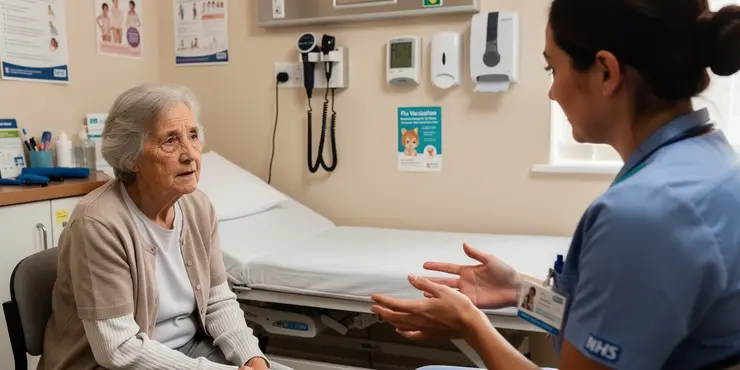
Older Adults
Older adults, particularly those aged 65 and over, are one of the most vulnerable groups when it comes to Super Flu. Ageing often leads to a weakened immune system, making it harder for the body to fight off infections. Additionally, older adults are more likely to have chronic health conditions, such as heart disease or diabetes, which can exacerbate the symptoms and complications of the flu.
Young Children
Young children, particularly those under the age of five, are also at high risk. Their immune systems are still developing, which means they may not have the necessary defenses to combat the aggressive strains of the virus. Infants and toddlers are especially vulnerable as their respiratory systems are not fully mature, making it more difficult to cope with respiratory illnesses.
Pregnant Women
Pregnant women are at an increased risk of severe illness from flu viruses, including Super Flu. Pregnancy causes changes in the immune system, heart, and lungs, which can increase the chances of complications such as pneumonia. The flu can also pose risks to the unborn child, leading to premature birth and low birth weight.
Individuals with Chronic Health Conditions
People with chronic health conditions like asthma, chronic lung disease, heart disease, diabetes, and weakened immune systems are at heightened risk from Super Flu. These conditions can make it harder for them to recover from the flu, leading to severe complications. It's essential for these individuals to take preventative measures like getting vaccinated and practicing good hygiene.
Healthcare Workers
Healthcare workers are on the frontline and are at increased risk due to their potential exposure to flu patients. Despite often being healthy and younger, their constant contact with infected individuals puts them at higher risk. Vaccination and proper use of protective equipment are key preventive strategies for this group.
Conclusion
While the Super Flu poses a risk to the general population, certain groups such as older adults, young children, pregnant women, individuals with chronic health conditions, and healthcare workers are notably more vulnerable. Awareness and preventive actions, including vaccination and practicing good hygiene, are crucial for protecting these at-risk groups and mitigating the impact of potential flu outbreaks in the UK.
Who is Most at Risk from Super Flu?
"Super Flu" is a strong type of flu that can make people very sick. It can be very dangerous for some groups of people. Knowing who is most at risk can help keep everyone safe.
Older Adults
People who are 65 years and older are at high risk from Super Flu. As people get older, their bodies find it harder to fight off sickness. Many older people also have other health problems, like heart disease or diabetes, which can make the flu worse.
Young Children
Young children, especially those under 5 years old, are also at risk. Their bodies are still growing and learning how to fight germs. Babies and toddlers are more at risk because their lungs are not fully developed, making it hard to handle the flu.
Pregnant Women
Pregnant women can get very sick from the flu. During pregnancy, a woman's body changes in ways that can make it easier to get sick, like changes in the immune system and lungs. The flu can also harm the baby, causing it to be born too early or too small.
Individuals with Chronic Health Conditions
People with long-term health problems like asthma, heart disease, diabetes, and weak immune systems are more at risk. These health issues make it tough to get better from the flu. It is important for these people to get the flu shot and wash their hands often.
Healthcare Workers
Doctors and nurses are around sick people a lot, which puts them at higher risk of catching the flu. Even if they are healthy, being in touch with many flu patients can be dangerous. Getting the flu shot and wearing protective gear can help keep them safe.
Conclusion
Super Flu can affect anyone, but older adults, young children, pregnant women, people with health problems, and healthcare workers need to be extra careful. Getting vaccinated and washing hands can help protect these groups and stop the flu from spreading. Support tools like reminders for vaccination and handwashing can be helpful.
Frequently Asked Questions
Super Flu refers to a highly virulent strain of influenza that is more severe than typical seasonal flu.
People most at risk from Super Flu include older adults, young children, pregnant women, and individuals with pre-existing health conditions.
Older adults often have weakened immune systems and may have underlying health conditions, making them more susceptible to severe illness from Super Flu.
Yes, young children have developing immune systems, which can make it harder for them to fight off severe strains of flu.
Pregnancy can alter the immune system and respiratory function, increasing the risk of severe outcomes from Super Flu.
Chronic illnesses such as asthma, heart disease, diabetes, and weakened immune systems can exacerbate the effects of Super Flu.
While healthy adults are at lower risk than vulnerable groups, they can still become seriously ill and should take precautions.
Immunocompromised individuals should consult their healthcare provider for advice, including getting vaccinated and practicing good hygiene.
The risk increases with age, particularly for those aged 65 and older.
Yes, children with conditions like asthma or other chronic diseases are at higher risk of severe flu complications.
Flu vaccinations are crucial in protecting against severe flu strains and can mitigate the risk of severe outcomes.
Yes, preventative measures include regular handwashing, avoiding close contact with sick individuals, and maintaining a healthy lifestyle.
Super Flu is typically more severe, causing more significant health complications than the typical seasonal flu.
Yes, Super Flu can lead to severe respiratory illness requiring hospitalization, particularly in high-risk individuals.
Yes, older adults may require extended recovery periods and medical care following severe Super Flu infections.
Healthcare systems prepare by ensuring adequate supplies of vaccines, antivirals, and updating protocols for flu outbreaks.
Wearing a mask can help reduce the risk of transmission, especially in crowded or high-risk settings.
Yes, social distancing can be an effective measure to control the spread of the flu virus during outbreaks.
Workplaces can manage risk by encouraging sick employees to stay home, promoting vaccination, and maintaining clean environments.
Individuals should seek medical attention if they experience high fever, difficulty breathing, chest pain, or confusion, as these may indicate severe flu.
Super Flu is a bad type of flu. It is stronger and makes people sicker than the regular flu we get every year.
Some people have a higher chance of getting very sick from Super Flu. These are:
- Older adults
- Young children
- Pregnant women
- People who are already sick
If you know someone like this, remind them to wash their hands a lot and to see a doctor if they feel bad.
Older people can get sick more easily because their immune systems are not as strong. They might also have other health problems, which can make the Super Flu more dangerous for them.
Yes, young children have immune systems that are still growing. This means it can be harder for them to fight off strong types of flu.
When someone is pregnant, their body changes. These changes can make their immune system and breathing work differently. Because of this, getting Super Flu can be more dangerous for them.
Some people have long-lasting illnesses. These are like asthma, heart disease, and diabetes. They also include having a weak immune system. These can make Super Flu worse.
Healthy people are not at as much risk as people who are sick or older. But they can still get very sick. It is important to be careful and stay safe.
People who get sick easily should talk to their doctor. They can help you stay healthy by giving advice like getting vaccines and keeping clean.
The risk goes up as you get older. It is higher for people who are 65 years old and more.
Yes, children who have problems like asthma or other long-term illnesses can get sicker if they catch the flu.
Flu shots are very important. They help keep people safe from bad types of the flu. Getting a flu shot can stop people from getting really sick.
Yes, there are things you can do to stay healthy and not get sick:
- Wash your hands often with soap and water.
- Stay away from people who are sick.
- Eat good food, get plenty of sleep, and exercise to keep your body strong.
Super Flu is a stronger kind of flu. It can make you sicker than the normal flu we get every year.
Yes, Super Flu can make it hard to breathe. This can be very serious and some people might need to go to the hospital. People who are already sick or have weak bodies are in more danger.
It helps to talk to a doctor if you or someone you know feels very sick. You can also ask a friend or family member to help you understand this information.
Yes, older people might need more time to get better and need extra help from doctors after getting really sick with a bad flu.
Doctors and hospitals get ready for flu season. They make sure they have enough medicines and vaccines. They also make plans for how to handle lots of sick people.
Wearing a mask can help stop germs from spreading. It is important to wear one when lots of people are around, or in places where it's easy to get sick.
Yes, staying away from others can help stop the flu from spreading when lots of people are sick.
Workplaces can make things safer by doing a few simple things:
- If someone is feeling sick, they should stay home.
- Everyone should get their vaccines to stay healthy.
- Keep everything clean, like tables, doorknobs, and workspaces.
It's also a good idea to wash hands often and use hand sanitizer to stop germs from spreading.
If you have a very high fever, can't breathe well, have a pain in your chest, or feel really confused, you should see a doctor. These things might mean you have a bad flu.

Ergsy Search Results
This website offers general information and is not a substitute for professional advice.
Always seek guidance from qualified professionals.
If you have any medical concerns or need urgent help, contact a healthcare professional or emergency services immediately.
Some of this content was generated with AI assistance. We've done our best to keep it accurate, helpful, and human-friendly.
- Ergsy carefully checks the information in the videos we provide here.
- Videos shown by Youtube after a video has completed, have NOT been reviewed by ERGSY.
- To view, click the arrow in centre of video.
- Most of the videos you find here will have subtitles and/or closed captions available.
- You may need to turn these on, and choose your preferred language.
- Go to the video you'd like to watch.
- If closed captions (CC) are available, settings will be visible on the bottom right of the video player.
- To turn on Captions, click settings.
- To turn off Captions, click settings again.