
Get Answers
What is NHS access to insulin pumps?
Insulin pumps are one of the main diabetes technologies available through the NHS for people who need intensive insulin treatment. They deliver rapid-acting insulin continuously, with extra doses at mealtimes, and can help some people achieve better glucose control.
Access is usually assessed by a diabetes specialist team rather than requested directly from a GP. The decision depends on clinical need, safety, and whether pump therapy is likely to improve diabetes management compared with injections.
Who may be eligible?
In the UK, insulin pumps are most commonly offered to people with type 1 diabetes who struggle to manage their blood glucose levels despite using multiple daily injections. Eligibility may also apply to some people with other forms of diabetes if they need intensive insulin treatment.
Children and young people with type 1 diabetes are often considered first, especially if they have very high or very low blood glucose levels, repeated severe hypos, or difficulty fitting injections into daily life. Adults can also be eligible if they meet clinical criteria and the specialist team feels a pump would be beneficial.
What factors do NHS teams look at?
Specialists usually look at whether a person has persistent high HbA1c levels, frequent hypoglycaemia, or dangerous glucose swings. They may also consider hypoglycaemia unawareness, pregnancy, dawn phenomenon, or lifestyle needs that make injections difficult to manage effectively.
A pump may be recommended if someone has already tried structured diabetes education, carbohydrate counting, and multiple daily injections but still does not meet their treatment goals. The team will also check whether the person is able and willing to monitor their glucose levels regularly and use the device safely.
When might someone not qualify?
NHS eligibility is not based on convenience alone. If blood glucose can be managed well on injections, or if a person is not ready for the training and self-management involved, a pump may not be offered immediately.
Some people may be asked to improve glucose monitoring, attend education sessions, or try other technology first, such as continuous glucose monitoring. In some areas, local NHS policies and funding arrangements can also affect access.
How to get assessed
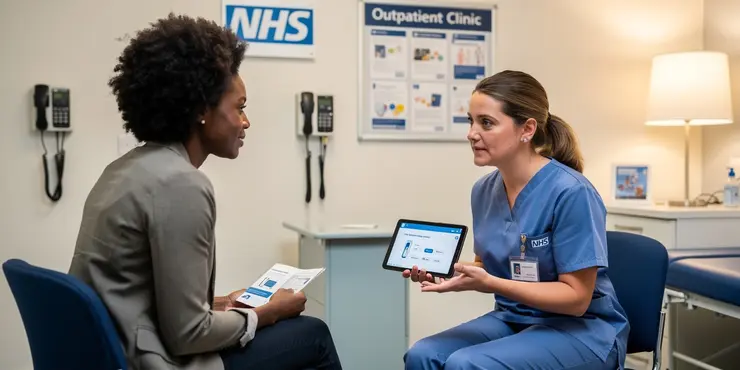
The usual first step is to speak to your diabetes consultant or specialist nurse. They can review your current treatment, discuss whether pump therapy is suitable, and refer you for an NHS assessment if needed.
If you think you may be eligible, ask your team about your local pump pathway and what evidence they need, such as glucose records, HbA1c results, or details of hypoglycaemia episodes. If a request is refused, you can ask for the reasons and whether there are steps you can take to be reconsidered.
Frequently Asked Questions
NHS diabetes technologies eligibility for insulin pumps refers to the criteria used by NHS services to decide who can be offered an insulin pump, usually based on clinical need, diabetes type, treatment response, and readiness to use the device safely.
Eligibility is usually considered for people with diabetes who need intensive insulin therapy and who may benefit from an insulin pump, especially when blood glucose control remains difficult despite optimized multiple daily injections and support.
NHS diabetes technologies eligibility for insulin pumps most commonly applies to people with type 1 diabetes, and in some cases to people with other forms of insulin-treated diabetes if there is clear clinical benefit and local NHS criteria are met.
Common clinical reasons include persistent high HbA1c, frequent hypoglycaemia, hypoglycaemia unawareness, marked glucose variability, dawn phenomenon, or difficulty achieving targets with standard insulin treatment.
Yes, ongoing poor blood glucose control despite best efforts with multiple daily injections and education is a common factor that can support NHS diabetes technologies eligibility for insulin pumps.
Yes, recurrent hypoglycaemia or severe hypos can strengthen NHS diabetes technologies eligibility for insulin pumps because a pump may help reduce low glucose episodes and improve overall safety.
Yes, hypoglycaemia unawareness is an important reason that may support NHS diabetes technologies eligibility for insulin pumps, especially when safer insulin delivery could reduce risk.
Yes, children and young people with diabetes may be eligible for NHS diabetes technologies eligibility for insulin pumps when the pump is clinically appropriate and the family or carers can support its safe use.
Yes, adults can meet NHS diabetes technologies eligibility for insulin pumps if they have a clinical need, can engage with training and follow-up, and are likely to benefit from pump therapy.
Pregnancy can be a reason to consider NHS diabetes technologies eligibility for insulin pumps when tighter glucose control is needed and a pump is judged to be the best option for the person and baby.
Yes, people who need flexible and precise insulin delivery may be considered for NHS diabetes technologies eligibility for insulin pumps, particularly when injections do not provide adequate control.
A specific HbA1c threshold is not the only factor, but a high HbA1c despite optimized care is often considered when assessing NHS diabetes technologies eligibility for insulin pumps.
Yes, people usually need to show they can learn pump use, monitor glucose, manage infusion sets, and respond to alerts, because these skills are part of safe NHS diabetes technologies eligibility for insulin pumps.
Yes, regular glucose monitoring or use of continuous glucose monitoring is often important, since safe pump use depends on good self-monitoring and informed dose adjustments.
Usually, reliable engagement with diabetes care is expected because NHS diabetes technologies eligibility for insulin pumps typically requires the person to use the device consistently and attend follow-up appointments.
Yes, a previous pump experience may be reviewed, and eligibility for another pump or different technology may still exist if there is a clear clinical reason and a plan to improve outcomes.
You usually discuss this with your diabetes team or specialist clinic, which can assess whether you meet local NHS diabetes technologies eligibility for insulin pumps criteria and make a referral if appropriate.
Yes, local NHS services may apply specific commissioning and clinical criteria, so the exact NHS diabetes technologies eligibility for insulin pumps process can vary by region.
Yes, continuous glucose monitoring may support assessment for NHS diabetes technologies eligibility for insulin pumps because it helps show patterns of highs and lows and can improve pump management.
If you think you may qualify, speak to your diabetes specialist or NHS diabetes team, ask for a review against local criteria, and discuss whether an insulin pump is the right technology for your needs.

Ergsy Search Results
This website offers general information and is not a substitute for professional advice.
Always seek guidance from qualified professionals.
If you have any medical concerns or need urgent help, contact a healthcare professional or emergency services immediately.
Some of this content was generated with AI assistance. We've done our best to keep it accurate, helpful, and human-friendly.
- Ergsy carefully checks the information in the videos we provide here.
- Videos shown by Youtube after a video has completed, have NOT been reviewed by ERGSY.
- To view, click the arrow in centre of video.
- Most of the videos you find here will have subtitles and/or closed captions available.
- You may need to turn these on, and choose your preferred language.
- Go to the video you'd like to watch.
- If closed captions (CC) are available, settings will be visible on the bottom right of the video player.
- To turn on Captions, click settings.
- To turn off Captions, click settings again.