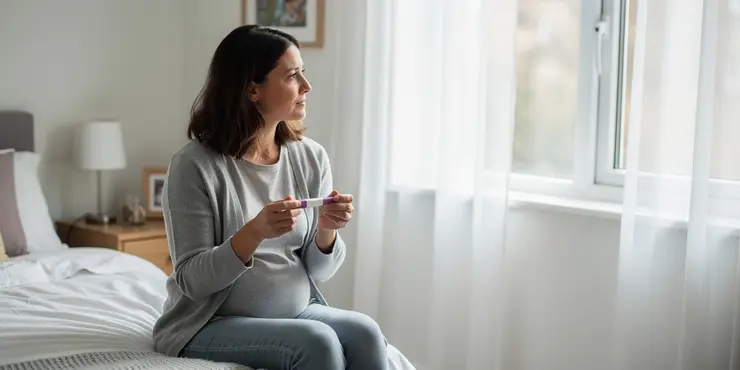

Get Answers
Understanding When to Take a Pregnancy Test
Taking a pregnancy test is a crucial step for many individuals trying to confirm a potential pregnancy. Knowing the optimal time to take a test can improve accuracy and give peace of mind. In the UK, where various tests are readily available, understanding the best timing is important to ensure reliable results.
How Pregnancy Tests Work
Pregnancy tests work by detecting the hormone human chorionic gonadotropin (hCG), which is produced shortly after a fertilised egg attaches to the uterine lining. This hormone starts to appear in urine, making home pregnancy tests a convenient and non-invasive option to confirm pregnancy.
Timing Based on Menstrual Cycle
The timing of a pregnancy test largely depends on your menstrual cycle. For those with regular cycles, the most accurate time to take a test is after you miss your period. Generally, you can test from the first day of your missed period as most tests can detect hCG at this stage.
If you have irregular periods, consider waiting around 21 days after you think you might have conceived. Testing too early might lead to a false negative, as the hCG levels may not be high enough to detect.
Early Pregnancy Testing
Many home pregnancy tests in the UK claim to be sensitive enough to detect pregnancy a few days before a missed period. These tests are known as early pregnancy tests. While they can detect lower levels of hCG, they are not as reliable as tests taken after a missed period. If you get a negative result but still suspect you might be pregnant, consider testing again a few days later.
Best Time of Day for Testing
For the most accurate result, it is recommended to take the test using the first urine of the day. Morning urine typically contains the highest concentration of hCG. However, many modern tests are sensitive enough to use at any time of the day, offering flexibility for those with hectic schedules.
Factors that Affect Test Accuracy
Several factors can affect the accuracy of home pregnancy tests. These include not following test instructions properly, testing too early, diluted urine, or using an expired test. Always check the expiry date before using a test and follow the instructions carefully.
What to Do After Testing
Once you've taken a pregnancy test, you might experience a range of emotions. If the test is positive, consider confirming your result with a healthcare professional who can provide advice on next steps. If it is negative and your period still doesn't start, you may want to test again after a few days or seek medical advice.
Understanding When to Take a Pregnancy Test
A pregnancy test helps you find out if you are pregnant. It's important to know the best time to take the test to get the right answer. In the UK, there are many tests you can buy. Knowing when to take the test helps you get a true result.
How Pregnancy Tests Work
Pregnancy tests check for a special hormone called hCG. This hormone shows up in your pee after a fertilized egg sticks to your womb. Home pregnancy tests are easy because you can do them by yourself at home.
Timing Based on Menstrual Cycle
When you take the test depends on your period. If your periods are regular, it's best to take the test after your period is late. You can test on the first day your period is missing because most tests can find hCG by then.
If your periods are not regular, wait about 21 days after you think you got pregnant. If you test too soon, the test might say you're not pregnant even if you are, because the hCG level is too low.
Early Pregnancy Testing
Some pregnancy tests say they can tell if you are pregnant a few days before your period is late. These are called early pregnancy tests. They can find lower amounts of hCG but might not be as accurate. If you get a negative result but still think you are pregnant, test again after a few days.
Best Time of Day for Testing
The best time to take a pregnancy test is in the morning when you first pee. Morning pee has the most hCG. But many new tests can be used any time of day, which is good if you are busy.
Factors that Affect Test Accuracy
Things that can make the test wrong include not doing the test right, testing too early, too much water in your pee, or using an old test. Always check the date on the test box and follow the instructions well.
What to Do After Testing
After you take a pregnancy test, you might feel a lot of different emotions. If the test says you are pregnant, visit a doctor to make sure and learn what to do next. If the test says you are not pregnant and your period doesn’t come, test again in a few days or talk to a doctor.
Frequently Asked Questions
The best time to take a pregnancy test is at least one week after your missed period for the most accurate results.
Yes, you can take a test before your missed period, but it's more accurate to wait until after you've missed it.
Some highly sensitive pregnancy tests can detect pregnancy as early as 6-8 days after conception, but most are reliable after a missed period.
It's best to take a pregnancy test first thing in the morning for the most concentrated urine sample.
Yes, testing later in the day may lead to diluted urine, which can affect the test result.
Most medications do not affect results, but fertility drugs containing hCG can.
Home pregnancy tests are about 99% accurate when used correctly.
If you have irregular periods, wait at least three weeks after unprotected sex to take a test.
It's best to wait at least two weeks after unprotected sex to take a pregnancy test for accurate results.
Yes, you can take a pregnancy test while on birth control if you suspect you're pregnant.
Yes, check the expiration date on the packaging to ensure accuracy.
If you get a negative result but still have symptoms, wait a few days and retest.
Stress does not directly affect pregnancy test results, but it can impact your menstrual cycle.
A faint positive line usually indicates pregnancy; consider retesting in a few days or consulting a doctor.
Yes, drinking too much water can dilute your urine, potentially leading to a false-negative result.
False positives are rare but can occur due to certain medical conditions or medications.
Follow the instructions on the test, usually between 2-5 minutes.
This can happen in rare cases, such as a chemical pregnancy or certain medical conditions.
If you get a positive result, you may want to confirm it with a second test or visit a healthcare provider.
If your test is positive, schedule an appointment with your healthcare provider to discuss your options and next steps.
The best time to take a pregnancy test is about one week after you miss your period. This will help you get the right answer.
Yes, you can take a test before you miss your period, but it works better if you wait until after you miss it.
Some pregnancy tests are very good and can tell if you are pregnant 6-8 days after the baby starts to grow. But most tests work well after you miss your period.
Take a pregnancy test in the morning. This is because your pee is strongest then.
Yes, if you test later in the day, your pee might be watered down. This can change the test result.
Most medicines do not change test results. But if you use fertility drugs with hCG, they might change results.
Home pregnancy tests work really well. They are right almost all the time if you use them the right way.
If your periods are not regular, wait three weeks after having unprotected sex before taking a test.
Wait two weeks after having sex without a condom or birth control to take a pregnancy test. This will help you get the right answer.
Yes, you can take a pregnancy test if you think you might be pregnant, even if you are using birth control.
Look at the date on the package. This tells you if it is still good to use.
If your test says negative but you still feel sick, wait a few days and test again.
Stress does not change if a pregnancy test is right or wrong. But stress can make your periods come at different times.
A very light line means you might be pregnant. You can test again in a few days, or you can talk to a doctor.
If you find reading hard, try using tools that read text out loud to you or ask someone you trust to help explain things.
Yes, if you drink too much water, it can make your pee too watery. This might cause a test to say something wrong, like showing you don't have something when you do.
Sometimes, a test can say you have something when you don't. This doesn't happen often, but it can happen because of certain health problems or medicines you take.
Listen to what the test says. It might take 2 to 5 minutes.
This can happen sometimes. It might be because of a tiny problem early in pregnancy or because of some health issues.
If the test says 'yes,' you might want to check again with another test or see a doctor.
If your test says "yes," book a meeting with your doctor. They will help you know what to do next.

Ergsy Search Results
This website offers general information and is not a substitute for professional advice.
Always seek guidance from qualified professionals.
If you have any medical concerns or need urgent help, contact a healthcare professional or emergency services immediately.
Some of this content was generated with AI assistance. We've done our best to keep it accurate, helpful, and human-friendly.
- Ergsy carefully checks the information in the videos we provide here.
- Videos shown by Youtube after a video has completed, have NOT been reviewed by ERGSY.
- To view, click the arrow in centre of video.
- Most of the videos you find here will have subtitles and/or closed captions available.
- You may need to turn these on, and choose your preferred language.
- Go to the video you'd like to watch.
- If closed captions (CC) are available, settings will be visible on the bottom right of the video player.
- To turn on Captions, click settings.
- To turn off Captions, click settings again.