
Get Answers
Understanding the Home Charger Installation Grant
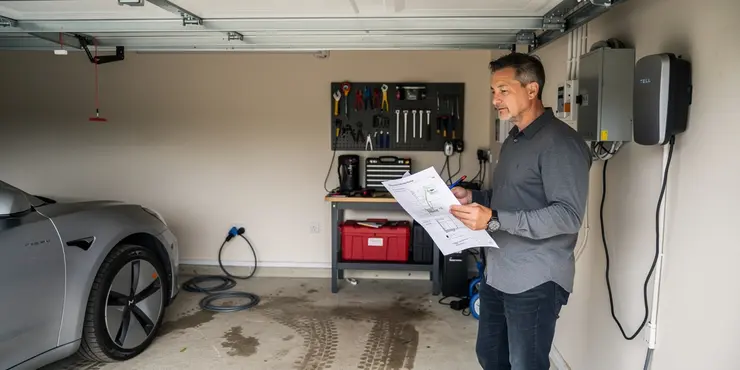
The increasing adoption of electric vehicles (EVs) in the UK has made home charging solutions more appealing to vehicle owners. Ensuring that EV owners can charge their cars conveniently at home is a crucial component of the UK's strategy to promote cleaner transportation. One of the initiatives to encourage this is the home charger installation grant, known as the Electric Vehicle Homecharge Scheme (EVHS). This scheme is designed to reduce the costs associated with installing a dedicated home charging point.
What is the Electric Vehicle Homecharge Scheme?
The Electric Vehicle Homecharge Scheme is a governmental initiative aimed at helping individuals afford the installation of a home charging station. The grant provides a financial contribution to eligible EV owners towards the cost of purchasing and installing an electric car charger at their home. This grant was created to accelerate the uptake of EVs by making home charging infrastructure more affordable.
The Value of the Grant
As of the current parameters of the Electric Vehicle Homecharge Scheme, the grant covers up to 75% of the total cost for the purchase and installation of a home charging point. The maximum financial assistance provided by the grant is capped at £350 per installation. Therefore, while the scheme offers significant support, EV owners still need to bear 25% of the installation costs themselves, along with any amount above the cap.
Eligibility Criteria for the Grant
To qualify for the Electric Vehicle Homecharge Scheme, certain criteria must be met. Firstly, the applicant must own, lease, or have ordered a qualifying electric vehicle or plug-in hybrid vehicle. Secondly, the charger must be installed at a residence with off-street parking to ensure safety and practicality. Additionally, the installation must be carried out by an Office for Zero Emission Vehicles (OZEV) approved installer. It's important to review government guidelines, as eligibility and criteria can be subject to updates over time.
The Benefits of Installing a Home Charger
Installing a home charging unit offers several advantages. It not only provides convenience, allowing EV owners to charge their vehicles overnight, but also can lead to cost savings in the long term. Home charging is often cheaper than using public charging stations, especially if charged during off-peak hours. Moreover, having a home charger enhances the practicality of owning an electric vehicle, potentially increasing its appeal to prospective buyers.
Conclusion
The home charger installation grant represents a valuable opportunity for UK residents aiming to transition to electric vehicles. By reducing the financial burden associated with home EV charger installation, the grant supports the broader goal of reducing the UK's carbon footprint through increased adoption of electric vehicles. While the grant provides substantial financial aid, understanding the specific terms, eligibility requirements, and installation process is vital for those hoping to benefit from this initiative.
Understanding the Home Charger Installation Grant
More people in the UK are driving electric cars. They want to charge their cars easily at home. The UK wants more people to drive cleaner cars, so they made a home charger grant. This grant helps people pay for a car charger at home. It is called the Electric Vehicle Homecharge Scheme (EVHS).
What is the Electric Vehicle Homecharge Scheme?
The Electric Vehicle Homecharge Scheme is a plan from the government. It helps people get a car charger at home for less money. If you have an electric car, this grant gives you money to help buy and set up a home charger. The goal is to help more people get electric cars.
The Value of the Grant
The grant can pay for up to 75% of the charger cost. The most it will pay is £350 for one charger. This means you still need to pay 25% of the cost and anything over £350.
Eligibility Criteria for the Grant
To get the grant, you need to meet some rules. You must have, rent, or want to buy an electric or plug-in hybrid car. The charger needs to be at a home with off-street parking. This is safer. The charger must be put in by approved workers. Check the latest rules as they can change.
The Benefits of Installing a Home Charger
Having a charger at home is good. You can charge your car at night. This can save money because charging at home can be cheaper. You don't need to look for a public charger. Having a home charger can also make having an electric car easier and more appealing.
Conclusion
The home charger grant is a good chance for people in the UK who want to drive electric cars. It helps with the cost of getting a home charger. The grant helps more people drive clean cars, which is good for the environment. To get the grant, know the rules and how to apply.
Frequently Asked Questions
The home charger installation grant is a financial incentive provided by the government or certain organizations to encourage the installation of electric vehicle (EV) chargers at home.
Eligibility for the home charger installation grant typically includes homeowners or tenants with off-street parking and an eligible electric or plug-in hybrid vehicle.
The value of the home charger installation grant varies by region, but it commonly covers a percentage of the installation cost, often up to a specific limit.
Generally, applications for the home charger installation grant must be submitted before installation, but some programs may allow retroactive applications.
Most grant programs cover both the cost of the EV charger and the installation fees, although specifics can vary.
Applications for the home charger installation grant are typically made online through a government or official website.
Some regions offer separate grants for businesses installing EV chargers, while others offer the same grant for both residential and commercial installations.
The processing time for the home charger installation grant can vary, but it often takes several weeks to a few months.
Typically, the grant is available once per eligible vehicle or residence, but specific details may vary.
The grant usually covers only the initial purchase and installation of the charger, not ongoing maintenance.
Some regions may offer different grants for various charger types or power levels, but many have a single program that covers all eligible chargers.
In many cases, the home charger installation grant can be combined with other incentives, but it's important to confirm with the grant provider.
Applicants usually need to provide proof of vehicle ownership, residence, and installation plans or quotes.
Yes, there are often deadlines or limited-time offers, so it's important to check the specific details for your region.
Some programs may offer grants for new builds, while others may not. It's important to check the specific eligibility criteria.
More information can usually be found on the official websites of government departments or organizations offering the grant.
The tax implications of the grant can vary, so it's recommended to consult a tax professional or local tax authority.
Most grant programs allow you to choose your own certified installer, but it's essential to ensure they meet any specified qualifications.
Many programs allow any brand of charger, provided it meets the required standards, but some may have specific approved lists.
If your grant application is denied, you may be able to appeal or reapply, depending on the program's guidelines.
The home charger installation grant is money given by the government or some groups to help people put electric car chargers at their homes. This is to make people want to use electric cars more.
To get money for a home car charger, you usually need to own a home or rent one. You also need a place to park your car that is not on the road. Plus, you must have a car that is electric or a mix of electric and gas.
To help understand better, you could use picture aids or simple apps and tools that explain things in easy steps.
The money you get to help pay for putting a charger at home can change depending on where you live. It usually helps pay for part of the cost, up to a certain amount.
Usually, you have to ask for the grant to help pay for a home charger before it gets installed. But, some programs might let you ask for the grant after it's already installed.
Most programs that give money to help pay for things will cover both the cost of the electric car charger and the cost to put it in. But, what they cover can be different depending on the program.
You can apply for help to get a charger at home for your car. You usually do this online on a government or official website.
In some places, there is money to help businesses put in electric car chargers. Other places have the same money for both homes and businesses to put in electric car chargers.
Getting the grant for a home charger can take some time. It might be a few weeks or even a few months before you get it.
You can usually get the grant one time for each car or home that can have it. But, the rules might be a bit different sometimes.
The grant helps pay for buying and putting in the charger at first. It does not pay for fixing it later.
Some places have different money help for different types of chargers or how powerful they are. But, many places have just one program that helps pay for all the chargers that can be used.
You might be able to use the home charger money help with other money help too. But you should check with the money help people first.
You need to show three things:
1. You own the car.
2. Where you live.
3. Your plan or a quote for installing something.
Sometimes, there is a last date to do something or special deals that end soon. It’s a good idea to look at the details for where you live.
Helpful tips:
- Ask someone you trust to help check the details with you.
- Use a calendar to mark important dates.
Some programs might give money to help build new houses, but others might not. Make sure to look at the rules to see who can get help.
You can find more information on the official websites of the government or the group giving the money.
Taxes might be different for the grant. It's a good idea to talk to a tax expert or ask your local tax office for help.
Many grant programs let you pick your own installer. They need to be certified, and it's important to check they have the right skills for the job.
Many programs let you use any brand of charger, as long as it is safe and works well. But some programs have special lists of chargers you have to use.
If you do not get your grant, you can try again. You might be able to ask for another chance or apply again. Check the program's rules to see what you can do.

Ergsy Search Results
This website offers general information and is not a substitute for professional advice.
Always seek guidance from qualified professionals.
If you have any medical concerns or need urgent help, contact a healthcare professional or emergency services immediately.
Some of this content was generated with AI assistance. We've done our best to keep it accurate, helpful, and human-friendly.
- Ergsy carefully checks the information in the videos we provide here.
- Videos shown by Youtube after a video has completed, have NOT been reviewed by ERGSY.
- To view, click the arrow in centre of video.
- Most of the videos you find here will have subtitles and/or closed captions available.
- You may need to turn these on, and choose your preferred language.
- Go to the video you'd like to watch.
- If closed captions (CC) are available, settings will be visible on the bottom right of the video player.
- To turn on Captions, click settings.
- To turn off Captions, click settings again.