
Get Answers
Introduction to Woodland Burials
Woodland burial sites offer an eco-friendly alternative to traditional cemeteries. These natural settings preserve the environment while providing a serene place for remembrance. Understanding what memorials are permitted is essential for respecting the natural landscape.
In the UK, woodland burials are increasingly popular due to their sustainability and emphasis on natural beauty. Each site may have different rules, so it's crucial to check specifics with the burial site provider.
Natural Stone Markers
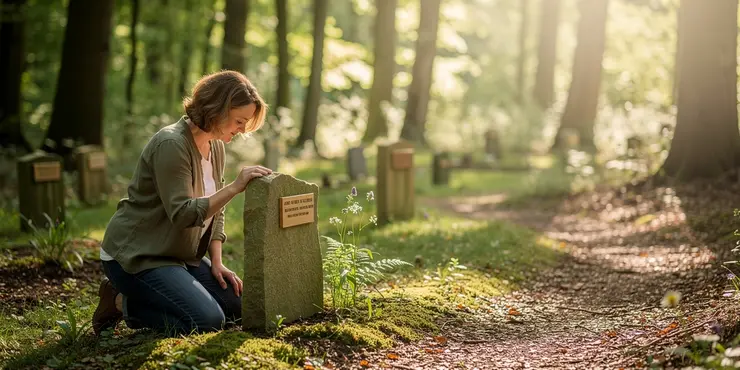
Natural stone markers are one type of memorial typically allowed in woodland burial sites. These stones are usually unpolished and inscribed minimally to blend with the surroundings.
This type of memorial is favored for being unobtrusive and enduring. The size and inscriptions allowed can vary, ensuring they maintain the site's natural look.
Wooden Memorials
Wooden memorials, such as small plaques, are often permitted in woodland burial sites. Crafted from sustainable timber, these plaques offer a more temporary marker.
Wood blends harmoniously into the environment but might weather over time. The use of untreated or naturally finished wood is encouraged to minimize impact.
Living Memorials
Living memorials, such as planting native trees or shrubs, are popular in woodland burial sites. They offer a sustainable tribute while enhancing the natural landscape.
This type of memorial contributes positively to the ecosystem. Families often choose plants native to the area to support the habitat's biodiversity.
Personal Tributes
Personal tributes like flowers or biodegradable ornaments are sometimes allowed on woodland burial sites. Restrictions often apply to ensure they decompose naturally without harming the environment.
Such tributes should avoid materials like plastic or metals. This ensures that all items left behind align with the ethos of preservation.
Regulations and Considerations
Each woodland burial site may have unique guidelines regarding what types of memorials are accepted. It is important to contact the site before planning any tributes.
Considerations may include the site's ecological goals, maintenance practices, and available space. Ensuring compliance with regulations helps maintain the peaceful, natural beauty of woodland burial sites.
Conclusion
Woodland burial sites provide a tranquil, ecological alternative for remembering loved ones. The types of memorials allowed aim to preserve and enhance the natural environment.
Whether choosing stone, wood, or living memorials, it's crucial to align with the site's regulations. This approach ensures a respectful and sustainable tribute in these serene spaces.
Frequently Asked Questions
A woodland burial site is a natural burial ground where the deceased are laid to rest in a manner that encourages a natural return to the environment, typically in a woodland setting.
No, traditional headstones are usually not allowed in woodland burial sites to maintain the natural aesthetic. Instead, alternatives such as natural markers may be used.
Natural markers such as wooden plaques, engraved stones, or simple plantings may be used as memorials in woodland burial sites.
Yes, planting native trees or shrubs is often encouraged as a living memorial that contributes to the natural habitat.
Yes, typically only native species are allowed to ensure they blend with the local ecosystem and support native wildlife.
Some sites may allow memorial benches, but this depends on the site's specific rules and the impact on the environment.
Small, unobtrusive plaques that blend with the natural surroundings may be permitted, often made from biodegradable materials.
Non-permanent, eco-friendly flower arrangements are sometimes allowed, but they should align with the site's ecological guidelines.
Personal items that are biodegradable and do not harm the environment may be allowed temporarily, but most sites discourage leaving items that do not decompose naturally.
Biodegradable wreaths made from natural materials might be allowed, but synthetic materials are typically prohibited.
Most woodland burial sites do not allow any type of balloons, as they can still pose an environmental hazard despite being biodegradable.
A biodegradable burial container is made from materials that break down naturally over time, like wicker, cardboard, or untreated wood.
Yes, but the stone should be natural, untreated, and of a size that does not disrupt the environment or landscape.
Some woodland burial sites may offer certain approved products like biodegradable urns or native plants for memorial purposes.
Memorial services are generally allowed, but they should be conducted in a manner that respects the natural environment and site regulations.
Woodland burial sites generally respect cultural and religious traditions as long as they comply with environmental guidelines.
Yes, engravings are generally permitted if they are simple and do not detract from the natural setting.
You can contact the site directly or visit their website to review specific guidelines and allowed memorial types.
Restrictions help maintain the natural beauty and ecological balance of the area, ensuring it remains a sustainable environment.
Some sites may charge a fee for installing or maintaining certain types of memorials. It is best to check with the site for specific policies.

Ergsy Search Results
This website offers general information and is not a substitute for professional advice.
Always seek guidance from qualified professionals.
If you have any medical concerns or need urgent help, contact a healthcare professional or emergency services immediately.
Some of this content was generated with AI assistance. We've done our best to keep it accurate, helpful, and human-friendly.
- Ergsy carefully checks the information in the videos we provide here.
- Videos shown by Youtube after a video has completed, have NOT been reviewed by ERGSY.
- To view, click the arrow in centre of video.
- Most of the videos you find here will have subtitles and/or closed captions available.
- You may need to turn these on, and choose your preferred language.
- Go to the video you'd like to watch.
- If closed captions (CC) are available, settings will be visible on the bottom right of the video player.
- To turn on Captions, click settings.
- To turn off Captions, click settings again.