
Get Answers
Introduction to Traditional Ground Burial
Traditional ground burial is a widely practiced method of laying the deceased to rest in the United Kingdom. It involves interring a body in a coffin or casket in a prepared grave. This practice is often part of a broader funeral ceremony which may include religious rites.
In the UK, traditional burials usually occur in churchyards, cemeteries, or dedicated burial grounds. Many communities still uphold local customs during burials, which may reflect religious or familial traditions.
The Process of Ground Burial
The process typically begins with a funeral service, which might take place at a church, chapel, or crematorium. The service can vary greatly depending on personal, cultural, or religious preferences. It is a time for loved ones to gather and pay their respects.
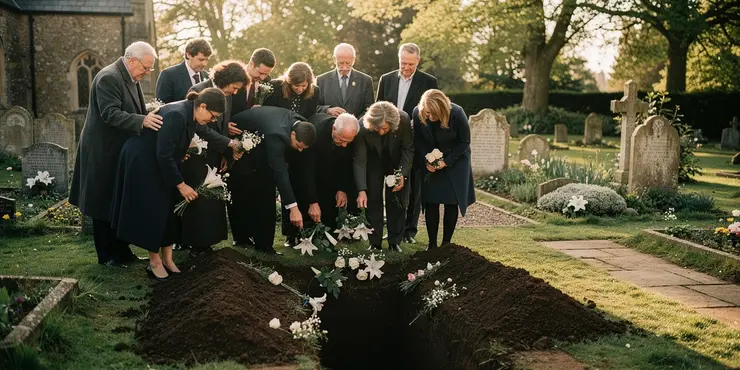
After the service, the coffin is transported to the burial site. The site is prepared by digging a grave, usually six feet deep, where the coffin is lowered. Family and friends often participate in this part, sometimes by throwing soil or flowers into the grave, signifying a farewell.
Legal and Ethnical Considerations
In the UK, ground burials are subject to legal regulations. Local councils typically manage cemeteries and must follow specific environmental and health guidelines. It is essential to obtain the appropriate permissions before a burial.
Ethically, traditional burial practices are often tied to a respect for the deceased's wishes and cultural norms. Ensuring these are honored can bring comfort to grieving families.
Environmental Impact of Traditional Burials
Traditional ground burials are often scrutinised for their environmental impact. Coffins, embalming fluids, and land usage contribute to concerns about sustainability. Newer eco-friendly practices are emerging as alternatives within the UK.
Despite these concerns, many still prefer traditional methods for their cultural significance. The use of biodegradable materials is a growing trend aiming to reduce environmental harm while respecting customs.
Costs and Financial Considerations
Ground burials can be more expensive than other methods such as cremation. Costs typically include the coffin, grave site, and funeral services. Additional expenses might cover headstones or memorial plaques.
Financial support for those unable to cover these costs is available through various government and charitable programs. Understanding all potential costs beforehand is important for planning and decision-making.
Frequently Asked Questions
A traditional ground burial involves interring a deceased person's body in a casket, which is then placed in a grave in a cemetery.
A traditional ground burial typically includes a casket, a burial vault or grave liner, a burial plot, and a grave marker or headstone.
Embalming is often required if there will be a public visitation or if state laws require it for transportation purposes. However, it is not always legally required for burial.
A burial vault is a lined and sealed outer container that houses the casket and is used to prevent the ground from caving in over time.
Burial plots are usually purchased directly from a cemetery. The buyer can select a specific location and type of plot.
A grave marker is a plaque or monument that identifies a grave site, often engraved with the deceased’s name, birth and death dates, and sometimes a personal message.
Costs can include the price of the casket, burial plot, burial vault, grave marker, and funeral home services, among other items. The total cost can vary widely based on location and preferences.
Yes, many families personalize grave sites with unique headstones, inscriptions, and decorations that reflect the personality or interests of the deceased.
Many religious traditions have specific practices and requirements for ground burials, including prayers, rituals, and the involvement of religious leaders.
Traditional burials do have environmental impacts, including land use and the use of materials like concrete, steel, and embalming chemicals.
Yes, individuals can plan their burial in advance, often selecting their plot and making financial arrangements to ease the burden on family members.
Many cemeteries offer the option to purchase family plots, allowing multiple family members to be buried in the same area.
Factors to consider may include location, religious affiliation, available space, rules and regulations, and cost when choosing a cemetery.
Green burials are environmentally friendly alternatives to traditional burials that avoid embalming fluids and use biodegradable caskets or shrouds.
Cemetery policies and local laws may dictate requirements for caskets, including materials and design features.
Cemeteries maintain detailed records of all burials, including burial plot locations and documentation of ownership.
Perpetual care cemeteries set aside funds to ensure long-term maintenance and care of the cemetery grounds.
A burial service is often brief, typically lasting 20 to 30 minutes, but the time can vary depending on cultural or religious practices.
A funeral director assists with arrangements, coordinates services, and ensures that legal and logistical aspects are handled appropriately.
Yes, many cemeteries offer the option to bury cremated remains in traditional burial plots, sometimes in smaller plots specifically for urns.

Ergsy Search Results
This website offers general information and is not a substitute for professional advice.
Always seek guidance from qualified professionals.
If you have any medical concerns or need urgent help, contact a healthcare professional or emergency services immediately.
Some of this content was generated with AI assistance. We've done our best to keep it accurate, helpful, and human-friendly.
- Ergsy carefully checks the information in the videos we provide here.
- Videos shown by Youtube after a video has completed, have NOT been reviewed by ERGSY.
- To view, click the arrow in centre of video.
- Most of the videos you find here will have subtitles and/or closed captions available.
- You may need to turn these on, and choose your preferred language.
- Go to the video you'd like to watch.
- If closed captions (CC) are available, settings will be visible on the bottom right of the video player.
- To turn on Captions, click settings.
- To turn off Captions, click settings again.