
Get Answers
Medical and Healthcare Support
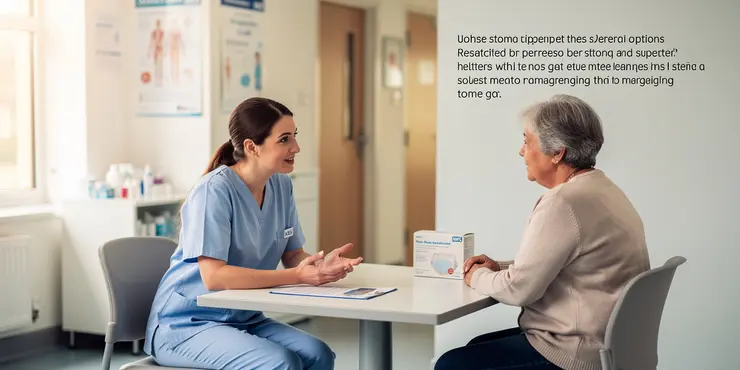
In the UK, individuals with stoma bags have access to extensive medical and healthcare support. The National Health Service (NHS) provides routine check-ups and consultations with stoma care nurses. These specialists are trained to offer advice on managing a stoma, adjusting to lifestyle changes, and preventing complications. Regular appointments with stoma care nurses ensure that any issues are quickly addressed and managed effectively.
Stoma Supplies and Prescription Services
Patients can obtain stoma supplies through NHS prescriptions. This service allows individuals to receive necessary items such as bags and skin protectors. In addition, various delivery services, like Coloplast Charter and Bullen Healthcare, offer free home delivery of stoma products, making it convenient for individuals to receive their supplies without hassle. These services often include helpful resources, such as cutting templates for flanges and disposal bags.
Financial Support
People with stoma bags may be eligible for certain financial aids to help cover additional expenses. Disability-related benefits, such as Personal Independence Payment (PIP), may be available for those whose stomas impact daily life significantly. Blue Badge Parking permits are also accessible, catering to mobility challenges. Local councils may offer additional support for those with special requirements.
Peer Support and Community Groups
Peer support is invaluable for individuals adapting to life with a stoma. Several organizations provide community and support networks, including the Colostomy Association and the Ileostomy and Internal Pouch Support Group. These organizations offer online forums, local support groups, and helplines. Connecting with others who have similar experiences can provide emotional support, shared knowledge, and coping strategies.
Educational Resources and Workshops
Educational resources and workshops are available to help individuals and their families learn more about living with a stoma. NHS hospitals often conduct workshops and training sessions, providing practical tips on stoma care and maintenance. Additionally, many stoma supply companies offer educational materials and video guides to assist wearers in managing their stomas effectively.
Mental Health and Psychological Support
Adjusting to life with a stoma can be challenging, and psychological support is crucial. The NHS offers access to counseling and psychological services for those finding it difficult to cope. Organizations like Mind provide additional mental health support and resources. Addressing emotional well-being is as vital as physical health in managing life with a stoma.
Help from Doctors and Nurses
If you have a stoma bag in the UK, you can get help from doctors and nurses. The National Health Service (NHS) provides care with special nurses who know all about stomas. These nurses give advice on how to take care of your stoma and avoid problems. You will have regular meetings with these nurses to make sure you are okay.
Getting Stoma Supplies
You can get supplies for your stoma, like bags and skin protectors, through the NHS. Some services, like Coloplast Charter and Bullen Healthcare, can bring supplies to your home for free. This makes it easy to get what you need without going out. They also give tools like cutters for stoma bags and bags for throwing away used supplies.
Money Help
If you have a stoma, you might get extra money help. There are benefits like the Personal Independence Payment (PIP) for people whose stomas make life hard. You can also get a Blue Badge for parking if you have trouble moving around. Local councils might have more help if you need it.
Support from Others
Talking to others with stomas is very helpful. There are groups like the Colostomy Association where you can meet people with similar experiences. These groups have online chats and local meetings. Talking to others can make you feel better and you can learn new tips from each other.
Learning and Workshops
There are many resources to help you learn about stomas. NHS hospitals have workshops and training sessions to give you advice on stoma care. Some companies that make stoma supplies also give out guides and videos to help you manage your stoma.
Mental Health Support
Having a stoma can be hard on your feelings, but there is help. The NHS offers counseling if you feel upset. Organizations like Mind give more support for mental health. It is important to take care of your emotional health as well as your physical health.
Frequently Asked Questions
Financial assistance for individuals with stoma bags may be available through insurance coverage, government health programs, or non-profit organizations. It's important to check with your insurance provider and local health services for specific benefits and support options.
Yes, there are numerous support groups for individuals with stoma bags where they can share experiences and receive emotional support. These groups can be found online or through local hospitals and health organizations.
Best practices for maintaining a stoma bag include regular cleaning, ensuring proper fit, changing the bag as needed, and consulting with health professionals for personalized advice.
Yes, people with stoma bags can often benefit from personalized diet and nutrition advice provided by healthcare professionals to help manage their symptoms and improve their quality of life.
Mental health support is available through therapists, counselors, and support groups specifically for individuals with stoma bags, to help them cope with the emotional and psychological aspects of living with a stoma.
Online resources for stoma care can be found on websites of health organizations, such as the United Ostomy Associations of America, Crohn's and Colitis Foundation, and various stoma support groups.
To find a stoma nurse or specialist, you can ask for a referral from your primary care provider, contact local hospitals, or look for certified wound and ostomy care nurses in your area.
Yes, educational programs are available that cover topics like stoma care, managing diet, and handling lifestyle changes. These programs can be found through healthcare providers and patient advocacy groups.
Employers may provide support by making workplace accommodations and understanding the needs of employees with stoma bags. It's advisable for employees to communicate their requirements clearly to their employer.
Exercise and fitness advice tailored for stoma patients is available from healthcare providers and fitness professionals who understand the unique challenges and can create personalized plans.
Family members can support a loved one by learning about stoma care, being understanding and patient, and encouraging involvement in support groups and medical consultations.
Common challenges include dealing with physical discomfort, managing emotional and mental health, handling social situations, and adapting to dietary changes.
Legal support is available for individuals facing discrimination; human rights advocates and legal professionals can offer guidance on how to handle discrimination in various environments.
Travel assistance and advice are available through patient advocacy groups, which can guide on how to travel comfortably and safely with a stoma bag.
Children with stoma bags can receive specialized support through pediatric healthcare providers, support groups for families, and educational programs in schools.
Advancements in stoma care technology include improvements in bag materials, skin-friendly adhesives, and more discreet designs. Regularly consulting with healthcare providers can help in accessing these advancements.
Support for caregivers is available through counseling, support groups, and educational resources, providing essential information and emotional support.
Handling social situations with a stoma bag involves preparation and communication. Individuals can seek guidance from support groups and professionals to build confidence.
There are clothing options and advice tailored for stoma bag wearers, focusing on comfort and discretion. Specialized suppliers offer garments designed to accommodate stoma bags.
Insurance policies may cover the cost of stoma bags and supplies, but it varies. Patients should review their plans and consult with their insurers to understand coverage options.
If you have a stoma bag, you might be able to get help with money. This help can come from insurance, the government, or special groups that want to help.
To find out what help you can get, ask your insurance company. You can also talk to your local health services.
If you need more help, you can use easy-to-read websites or ask someone you trust to help you understand the information.
Yes, there are many groups that help people with stoma bags. In these groups, people can talk about their experiences and feel better. You can find these groups online or at local hospitals and health centers.
To take care of a stoma bag, you should:
- Clean it often.
- Make sure it fits well.
- Change it when it's needed.
- Talk to a doctor or nurse for help.
Yes, people who use stoma bags can get help with their diet. Doctors and nurses can give advice on what to eat. This can help them feel better and get more out of life.
There is help for feelings and emotions if you have a stoma bag. You can talk to special helpers like therapists and counselors. You can also join support groups where you can meet others with stoma bags. These people can help you feel better about living with a stoma.
You can find help for stoma care on websites. Try looking at the United Ostomy Associations of America, the Crohn's and Colitis Foundation, and stoma support groups.
If you need to find a special nurse who knows a lot about stomas, you can do a few things:
- Ask your main doctor to help you find one.
- Call or visit nearby hospitals to ask if they have one.
- Look for nurses who are experts in wound and stoma care around where you live.
Yes, there are programs that can teach you about stoma care, eating the right foods, and how to change your lifestyle. You can find these programs with help from doctors or groups that support patients.
Bosses can help people with stoma bags by making changes at work. It is good for people with stoma bags to tell their boss what they need.
If you have a stoma and want to know how to exercise, you can ask doctors or fitness trainers for help. They know your needs and can make a special exercise plan just for you.
Family can help by learning about stoma care. They should be kind and patient. It is good to join support groups and go to doctor meetings together.
Sometimes, people face problems like feeling uncomfortable in their bodies, feeling sad or worried, dealing with other people, and changing the way they eat.
Here are some things that might help:
- For feeling uncomfortable: Try to move around or stretch if you can.
- For feeling sad or worried: Talk to someone you trust, like a friend or family member.
- For dealing with people: Practice what to say in different situations.
- For changing how you eat: Start with small changes and ask for help if you need it.
If someone is treated unfairly, there is help. Lawyers and people who know a lot about human rights can help. They can show you what to do if someone is being unfair.
If you need help with travel, there are groups that help people. They can give you tips on how to travel safely and feel good if you have a stoma bag.
Children who have stoma bags can get special help. They can see doctors who take care of kids. There are groups where families can talk to each other and share their experiences. Schools can also teach and help children with stoma bags.
New tools to help people with stomas are getting better. The bags are made from nicer materials, they stick well to the skin, and they look smaller and less obvious. Talking to your doctor can help you get the newest tools.
Help for people who take care of others (called caregivers) is available. They can talk to a counselor, join a group of people who understand, or read helpful books and websites. This can give them important information and make them feel better.
Being with other people when you have a stoma bag can be easier if you get ready and talk to others.
You can get help from groups and doctors. They can help you feel sure of yourself.
There are clothes and tips to help people who wear stoma bags. These clothes help you feel comfy and hide the bag. There are special shops that sell clothes made just for people with stoma bags.
Insurance might pay for stoma bags and supplies. But it can be different for everyone. People should check their insurance plans. They can also talk with their insurance company to find out what is covered.
A helpful tool is to call the insurance company. They can answer questions. A notepad and pen can help you take notes during the call.

Ergsy Search Results
This website offers general information and is not a substitute for professional advice.
Always seek guidance from qualified professionals.
If you have any medical concerns or need urgent help, contact a healthcare professional or emergency services immediately.
Some of this content was generated with AI assistance. We've done our best to keep it accurate, helpful, and human-friendly.
- Ergsy carefully checks the information in the videos we provide here.
- Videos shown by Youtube after a video has completed, have NOT been reviewed by ERGSY.
- To view, click the arrow in centre of video.
- Most of the videos you find here will have subtitles and/or closed captions available.
- You may need to turn these on, and choose your preferred language.
- Go to the video you'd like to watch.
- If closed captions (CC) are available, settings will be visible on the bottom right of the video player.
- To turn on Captions, click settings.
- To turn off Captions, click settings again.