
Get Answers
Act quickly if you think you have been exposed
If you think you may have been exposed to Ebola, do not wait for symptoms to appear. Contact the NHS immediately for advice and tell them about the possible exposure. Quick action helps protect you and anyone you live or work with.
Ebola is a serious viral illness that needs urgent medical assessment. Even if you feel well, you should still get advice straight away. Early reporting is especially important if you have been in an area affected by Ebola or had contact with someone who may be infected.
Phone first and avoid using public transport if possible
Call NHS 111 or your GP surgery for urgent advice, and explain clearly what happened. If you are very unwell, call 999 and mention the possible Ebola exposure before going anywhere. This helps emergency teams prepare safely.
If possible, do not travel by public transport while you are waiting for instructions. Try to stay where you are and limit contact with other people. If you must travel for urgent medical care, follow the advice you are given and tell staff as soon as you arrive.
Reduce the risk to others
Stay away from other people as much as possible until you have been told what to do. Avoid kissing, hugging, sharing cups, cutlery, towels, or bedding. If you live with others, try to use a separate bathroom if one is available.
Wash your hands frequently with soap and water, or use alcohol hand gel if washing is not possible. Do not handle blood, vomit, diarrhoea, or other body fluids from yourself or anyone else. If you have any symptoms, keep a distance from pets as well.
Tell health professionals about the exposure
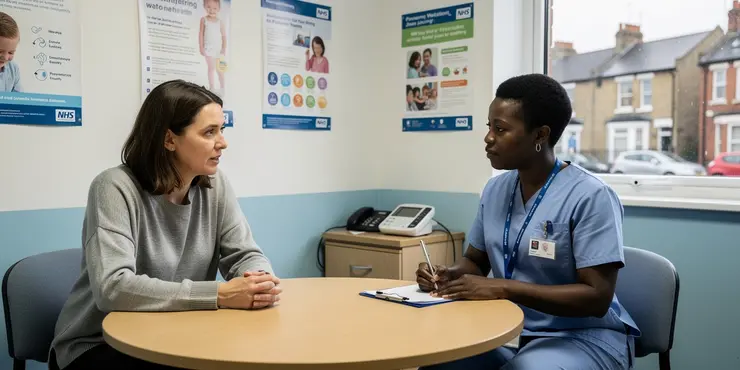
When you speak to a clinician, explain where and when the exposure happened, and whether you had direct contact with blood or body fluids. Mention any travel history, healthcare work, caregiving, or funeral attendance related to the exposure. The more detail you give, the better the advice will be.
You may be asked to monitor your temperature and health for up to 21 days after exposure. Follow any instructions carefully, even if you feel completely well. Public health teams may also contact you to check on your symptoms and offer support.
Know the warning signs
Early symptoms of Ebola can include fever, headache, muscle aches, sore throat, vomiting, diarrhoea, weakness, and abdominal pain. Symptoms may start suddenly and can worsen quickly. If you develop any of these after a possible exposure, seek urgent medical help immediately.
Do not go straight to a GP practice, pharmacy, or emergency department without calling first. Tell the person you speak to that you may have been exposed to Ebola. This allows appropriate infection control measures to be put in place.
Get trusted UK guidance
For current advice, follow NHS and UK Health Security Agency guidance. If you are unsure what counts as exposure, it is still worth calling for advice. It is always better to ask early than to delay.
If you are worried, stay calm and act promptly. Most people in the UK will not be at risk from Ebola, but a possible exposure should always be treated seriously. Getting advice quickly is the safest next step.
Frequently Asked Questions
Immediately stop contact with other people, wash exposed skin with soap and water, remove contaminated clothing carefully, and contact local public health authorities or a healthcare provider right away for guidance on monitoring, testing, and next steps.
Contact emergency medical services, your local health department, or a designated infectious disease response line immediately. Tell them clearly that the situation involves Ebola exposure immediate actions so they can give urgent instructions.
Remove contaminated clothing as soon as possible, avoid shaking it, place it in a sealed bag, and follow public health instructions for safe handling or disposal as part of Ebola exposure immediate actions.
Yes. A person who may have been exposed should isolate from others immediately, avoid public transportation and public places, and follow instructions from health officials as part of Ebola exposure immediate actions.
Wash exposed skin thoroughly with soap and water right away. If soap and water are not available, use an alcohol-based hand sanitizer temporarily, then wash with soap and water as soon as possible during Ebola exposure immediate actions.
If the eyes, nose, or mouth may have been exposed, rinse the area gently with plenty of clean water or saline immediately and seek urgent medical advice as part of Ebola exposure immediate actions.
Yes. Monitor for fever and other symptoms several times a day and report changes promptly to health officials or a healthcare provider. Temperature checks are a key part of Ebola exposure immediate actions.
Monitoring generally continues for the full incubation period recommended by public health authorities, often up to 21 days after the last possible exposure, as directed during Ebola exposure immediate actions.
Fever, severe headache, muscle pain, weakness, vomiting, diarrhea, abdominal pain, unexplained bleeding, or rash should be treated as urgent. Report these immediately during Ebola exposure immediate actions.
A person should not return to work unless cleared by public health authorities or a healthcare provider. Staying away from work and other group settings is usually necessary during Ebola exposure immediate actions.
Yes. Avoid nonessential travel, especially air or public transportation, until health officials provide instructions. Travel restrictions may apply during Ebola exposure immediate actions.
Tell them the date, place, and type of exposure, whether there was contact with body fluids or contaminated materials, and whether any symptoms have started. Clear reporting is essential for Ebola exposure immediate actions.
Do not take medications to hide symptoms unless a healthcare professional instructs you to do so. Seek guidance before using fever reducers or other medicines during Ebola exposure immediate actions.
Household members should minimize contact, avoid sharing personal items, wash hands often, and follow public health instructions for monitoring and possible quarantine during Ebola exposure immediate actions.
Clean and disinfect potentially contaminated surfaces using an EPA-registered disinfectant or another product recommended by public health authorities, while wearing appropriate protective equipment during Ebola exposure immediate actions.
Follow public health and veterinary guidance about pets if an exposed person is in the home. Avoid unnecessary close contact until authorities advise on safe handling during Ebola exposure immediate actions.
Keep a record of exposure details, symptoms, temperatures, contacts, and instructions received from health officials. Accurate notes help manage Ebola exposure immediate actions effectively.
Seek emergency care immediately if severe symptoms develop, such as trouble breathing, confusion, collapse, heavy bleeding, or severe dehydration. Call ahead and mention Ebola exposure immediate actions before arrival.
Healthcare facilities should isolate the person, use appropriate personal protective equipment, limit staff exposure, and follow established Ebola protocols during Ebola exposure immediate actions.
Quick action can reduce the chance of further spread, improve monitoring, and allow rapid treatment if symptoms develop. Prompt response is critical in Ebola exposure immediate actions.

Ergsy Search Results
This website offers general information and is not a substitute for professional advice.
Always seek guidance from qualified professionals.
If you have any medical concerns or need urgent help, contact a healthcare professional or emergency services immediately.
Some of this content was generated with AI assistance. We've done our best to keep it accurate, helpful, and human-friendly.
- Ergsy carefully checks the information in the videos we provide here.
- Videos shown by Youtube after a video has completed, have NOT been reviewed by ERGSY.
- To view, click the arrow in centre of video.
- Most of the videos you find here will have subtitles and/or closed captions available.
- You may need to turn these on, and choose your preferred language.
- Go to the video you'd like to watch.
- If closed captions (CC) are available, settings will be visible on the bottom right of the video player.
- To turn on Captions, click settings.
- To turn off Captions, click settings again.