
Get Answers
Understanding Shingles
Shingles, also known as herpes zoster, is a viral infection caused by the varicella-zoster virus, the same virus responsible for chickenpox. It typically presents as a painful rash or blisters on one side of the body or face. If you suspect you have shingles, it's important to seek medical advice promptly to manage symptoms and prevent complications.
Recognising the Symptoms
The initial symptoms of shingles can include a tingling or painful sensation in a specific area, followed by a red rash that usually appears a few days later. This rash may develop into itchy blisters filled with fluid. Additional symptoms can include fever, headache, and fatigue. It's critical to see a healthcare professional if you experience these symptoms, especially if the rash is near your eyes, as this can lead to serious problems.
Consult Your GP
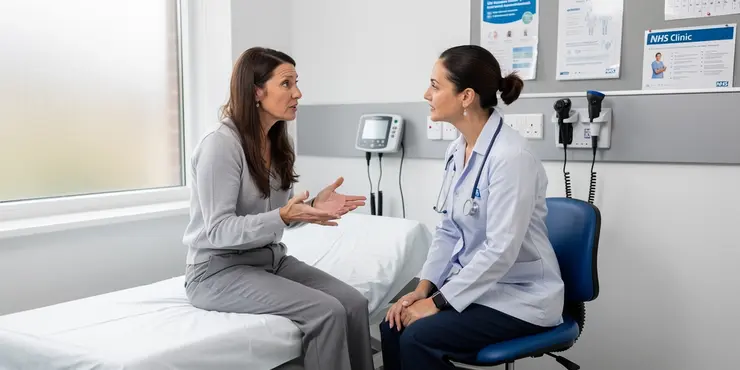
If you believe you have shingles, contact your GP (General Practitioner) as soon as possible. Early diagnosis is crucial for effective treatment. Your GP can confirm the diagnosis and may prescribe antiviral medications, which can help to speed up healing and reduce the severity of the condition. It's best to start this medication within 72 hours of the rash appearing for maximum effectiveness.
Managing Shingles at Home
While waiting for medical advice, there are several steps you can take at home to alleviate discomfort. Keep the rash clean and dry to reduce the risk of infection. Wearing loose clothing can help avoid irritation. Over-the-counter pain relief, such as paracetamol or ibuprofen, may help manage pain. Applying cool, damp cloths to the affected area can also provide relief.
Preventing the Spread of the Virus
Shingles is less contagious than chickenpox, but the virus can still spread to individuals who have never had chickenpox or have not been vaccinated against it, potentially causing chickenpox. This is particularly important to prevent around pregnant women, newborns, and individuals with weakened immune systems. Cover the rash and wash your hands frequently to minimize the risk of spreading the virus.
Consider the Shingles Vaccine
The NHS offers a shingles vaccine to individuals in their 70s to help reduce the risk of developing shingles and the severity of symptoms if contracted. If you fall within this age group and haven't already been vaccinated, discuss the possibility with your GP. The vaccine can help prevent shingles or reduce its intensity and potential complications.
When to Seek Emergency Help
Though rare, shingles can lead to complications such as bacterial infections of the skin, eye issues, or neurological problems. Seek immediate medical attention if you experience widespread or severe symptoms, such as high fever, confusion, or vision problems.
Understanding Shingles
Shingles is a sickness caused by a virus. It is the same virus that causes chickenpox. Shingles makes a painful rash or blisters on one side of your body or face. If you think you have shingles, see a doctor quickly. They can help with your symptoms and stop other problems.
Recognising the Symptoms
Early signs of shingles might be tingling or pain in one area. Then, a red rash can show up a few days later. This rash can turn into itchy blisters with fluid. You might also have a fever, headache, and feel very tired. Go to the doctor if you have these signs, especially if the rash is near your eyes, because it could cause serious issues.
Consult Your GP
If you think you have shingles, call your GP (doctor) straight away. It's important to start treatment early. Your GP can tell you if you have shingles and might give you medicine to help you heal faster. It’s best to take this medicine within 72 hours after the rash starts.
Managing Shingles at Home
While waiting to see the doctor, you can do some things at home to feel better. Keep your rash clean and dry to stop infections. Wear loose clothes to avoid rubbing the rash. Painkillers like paracetamol or ibuprofen can help with pain. You can also put a cool, damp cloth on the rash to soothe it.
Preventing the Spread of the Virus
Shingles spreads less easily than chickenpox, but people who never had chickenpox or the vaccine can still catch the virus. This is important to remember around pregnant women, newborns, and people with weak immune systems. Cover your rash and wash your hands often to stop spreading the virus.
Consider the Shingles Vaccine
The NHS gives a vaccine for shingles to people in their 70s. This vaccine helps lower the chance of getting shingles or having severe symptoms. If you are in this age group, ask your GP about the vaccine. It can help prevent shingles or make it less serious.
When to Seek Emergency Help
Sometimes, shingles can cause serious problems like skin infections, eye problems, or nerve issues. Go to the hospital if you have bad symptoms like very high fever, confusion, or vision trouble.
Frequently Asked Questions
A painful, burning, or tingling rash on one side of the body is a common shingles sign. If you notice this, contact a healthcare professional as soon as possible because antiviral treatment works best when started early, ideally within 72 hours of rash onset.
Early shingles can cause burning, itching, tingling, or pain before any rash appears. If you suspect shingles symptoms what to do is to call a clinician promptly, especially if you are older or immunocompromised, so treatment can be started quickly.
Shingles symptoms what to do near the eye require urgent medical attention because eye involvement can threaten vision. Seek same-day evaluation from an eye doctor, urgent care, or emergency service if you have rash, redness, pain, or vision changes near the eye.
A fever can happen with shingles, but it can also suggest a more serious infection or complication. If shingles symptoms what to do includes fever, especially with worsening pain or spreading redness, contact a healthcare professional promptly.
For shingles symptoms what to do for pain relief at home includes using cool compresses, wearing loose clothing, and taking over-the-counter pain medicine if it is safe for you. A clinician may also recommend prescription pain treatment depending on severity.
Blisters that ooze and then crust are part of the normal shingles rash process. Keep the area clean and dry, avoid picking at the blisters, and wash your hands often to reduce the risk of spreading the virus or causing a bacterial infection.
Severe or worsening pain from shingles needs medical evaluation because early treatment can help and additional pain control may be needed. If shingles symptoms what to do includes severe pain, contact a doctor promptly or seek urgent care if the pain is intense.
If you are pregnant and think you have shingles, contact your obstetrician or healthcare professional promptly. Most cases are manageable, but shingles symptoms what to do during pregnancy should be assessed so the right treatment and monitoring can be arranged.
People with weakened immune systems can have more severe shingles and complications. If shingles symptoms what to do applies to you, seek medical care as soon as possible because you may need urgent antiviral treatment and closer follow-up.
Shingles usually affects one area, often in a band on one side of the body. If shingles symptoms what to do includes a rash that spreads widely, becomes very painful, or appears on both sides, get medical advice promptly because this may not be typical.
Itching can be part of shingles. For shingles symptoms what to do about itching, avoid scratching, use cool compresses, and consider soothing lotion only if a clinician says it is appropriate; scratching can worsen the rash and increase infection risk.
A shingles rash on the face or scalp needs prompt medical attention because it may affect the eye, ear, or nerves. If shingles symptoms what to do involves the face or scalp, contact a healthcare professional the same day.
Shingles can spread the virus to people who have never had chickenpox or the vaccine, causing chickenpox rather than shingles. Keep the rash covered, wash hands often, avoid touching the blisters, and avoid close contact with pregnant people, newborns, and immunocompromised individuals until lesions crust over.
If over-the-counter medicine is not controlling shingles pain, you should speak with a healthcare professional. Shingles symptoms what to do may include prescription antiviral medicine, stronger pain relief, or treatment for nerve pain depending on your situation.
If you were exposed to shingles and have never had chickenpox or the vaccine, you may be at risk for chickenpox. Contact a healthcare professional if shingles symptoms what to do applies after exposure, especially if you are pregnant, immunocompromised, or caring for a newborn.
Redness, warmth, or swelling can mean the rash is becoming infected or inflamed. If shingles symptoms what to do includes these changes, seek medical evaluation promptly because you may need treatment for a secondary skin infection.
Headache or sensitivity to light with shingles can suggest a complication, especially if the rash is near the eye or face. If shingles symptoms what to do includes these symptoms, get medical care promptly for assessment.
Rest, drink fluids, and avoid overexertion while the rash heals. For shingles symptoms what to do for recovery, follow the treatment plan, keep the rash clean and covered, and return to normal activities gradually as pain improves.
Persistent pain after the rash heals can be postherpetic neuralgia, a common shingles complication. If shingles symptoms what to do includes ongoing pain, contact a healthcare professional because specific medications and strategies can help manage nerve pain.
Confusion, trouble breathing, facial weakness, or severe illness are not normal shingles symptoms and need emergency care. If shingles symptoms what to do includes these warning signs, call emergency services right away or go to the nearest emergency department.

Ergsy Search Results
This website offers general information and is not a substitute for professional advice.
Always seek guidance from qualified professionals.
If you have any medical concerns or need urgent help, contact a healthcare professional or emergency services immediately.
Some of this content was generated with AI assistance. We've done our best to keep it accurate, helpful, and human-friendly.
- Ergsy carefully checks the information in the videos we provide here.
- Videos shown by Youtube after a video has completed, have NOT been reviewed by ERGSY.
- To view, click the arrow in centre of video.
- Most of the videos you find here will have subtitles and/or closed captions available.
- You may need to turn these on, and choose your preferred language.
- Go to the video you'd like to watch.
- If closed captions (CC) are available, settings will be visible on the bottom right of the video player.
- To turn on Captions, click settings.
- To turn off Captions, click settings again.