
Get Answers
Understanding Spider Bites in the UK
While most spiders in the UK are harmless, a few can deliver a painful bite. Spider bites in the UK are generally mild and pose little risk to health, but it is important to know what steps to take if bitten. This guide will help you handle a spider bite effectively.
Identifying the Spider Bite
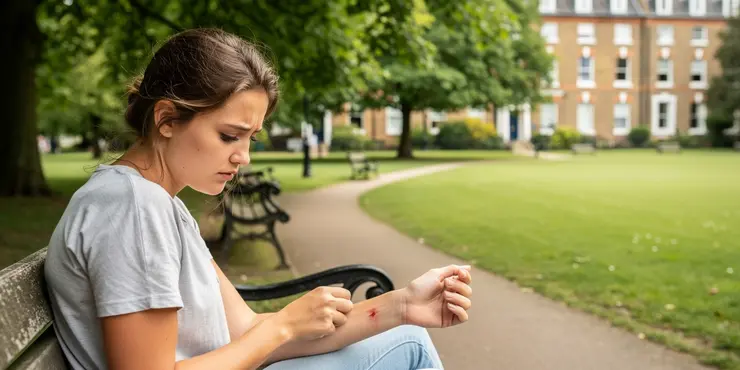
First, try to identify the spider that bit you. In the UK, the false widow spider (Steatoda nobilis) is the most notorious for its bite, which can cause discomfort and mild symptoms in some people. A spider bite might appear as a small puncture wound, red and swollen, similar to that of an insect bite. There may be localized pain, itching, or a rash.
Immediate Actions
If you suspect you've been bitten by a spider, remain calm. Wash the bite area thoroughly with soap and water to reduce the risk of infection. Apply a cold pack or a clean cloth filled with ice cubes to the bite location to minimize swelling and provide some pain relief. It's advisable to elevate the affected limb if possible.
Monitoring Symptoms
Monitor the bite site for any changes. Most reactions are mild and include redness, itching, or minor swelling, which should subside in a few hours to a few days. Take over-the-counter painkillers like ibuprofen or paracetamol to manage pain if necessary. Antihistamines can help alleviate itching and swelling.
When to Seek Medical Assistance
If you experience severe symptoms such as intense pain, swelling that doesn’t improve, or signs of an allergic reaction (like difficulty breathing, dizziness, or swelling away from the bite area), seek medical attention immediately. These symptoms could indicate a more serious reaction, which might require medical intervention. Additionally, if you are uncertain about the spider type and the bite appears suspicious, consult a healthcare professional for advice.
Preventing Spider Bites
To prevent spider bites, take measures such as sealing gaps in doors and windows, keeping clutter to a minimum, and ensuring storage areas are tidy. Wear gloves when handling items that have been in storage or in areas where spiders are common. Regularly cleaning and vacuuming can also help reduce the likelihood of encountering spiders indoors.
Conclusion
Though spider bites in the UK are uncommon and typically not serious, knowing how to react can prevent complications. Always be cautious and take steps to manage the bite effectively, keeping an eye out for any unusual symptoms. Staying informed about local wildlife and potential risks contributes to better safety and peace of mind.
Understanding Spider Bites in the UK
Most spiders in the UK are not dangerous. But some can bite and it can hurt. Spider bites in the UK are usually not serious. It's good to know what to do if a spider bites you. This guide will help you deal with a spider bite.
Identifying the Spider Bite
Try to see which spider bit you. In the UK, the false widow spider is known for its bite. It can cause some pain and mild symptoms. A spider bite looks like a small red and swollen bump, like an insect bite. You might feel pain, itching, or get a rash.
Immediate Actions
If you think a spider bit you, stay calm. Wash the bite with soap and water to stop infection. Use a cold pack or a cloth with ice on the bite to reduce swelling and pain. Raise the part of your body with the bite if you can.
Monitoring Symptoms
Watch the bite for changes. Most bites cause mild redness, itching, or swelling that goes away in hours or days. You can take painkillers like ibuprofen or paracetamol if it hurts. Antihistamines can help with itching and swelling.
When to Seek Medical Assistance
Get medical help if you have severe symptoms like bad pain, swelling that won't go down, or signs of allergy like trouble breathing, dizziness, or swelling away from the bite. These can be serious and need a doctor. If you’re unsure about the spider or the bite looks strange, ask a doctor.
Preventing Spider Bites
To stop spider bites, seal up gaps in doors and windows. Keep spaces tidy and free of clutter. Wear gloves when handling items in storage or spider-friendly areas. Clean and vacuum often to keep spiders out of your home.
Conclusion
Spider bites in the UK are rare and usually not serious. Knowing how to act can avoid problems. Be careful and manage the bite well. Watch for unusual symptoms. Understanding local spiders and risks helps keep safety and peace of mind.
Frequently Asked Questions
Wash the bite area with soap and water to prevent infection.
Yes, applying a cold pack can help reduce swelling and numb the pain.
Most spider bites in the UK are harmless and only cause mild irritation.
Seek medical attention if you experience severe pain, swelling, or signs of infection.
Over-the-counter pain relievers like ibuprofen can help alleviate discomfort.
Typical symptoms include redness, swelling, pain, and itchiness at the bite site.
See a doctor if symptoms worsen, or if there is no improvement after a few days.
Catching the spider can help identify it, but don’t put yourself at risk.
Prevent bites by keeping your home clean, sealing gaps, and shaking out shoes and clothing before use.
Antihistamines can reduce itching and inflammation from a spider bite.
The false widow spider is the most well-known biting spider in the UK.
If you notice pus, increased redness, or a spreading rash, consult a healthcare professional.
Children may be more sensitive to bites due to their smaller size, so monitor them closely.
Aloe vera, baking soda paste, or calamine lotion may soothe bites and reduce itching.
No, avoid breaking blisters to prevent infection.
A simple spider bite typically heals within a week.
Yes, some people may have an allergic reaction. Seek medical help if you have difficulty breathing or swelling in the face.
The UK has no native species of highly venomous spiders.
A bite may result in minor pain, swelling, and redness, similar to a wasp sting.
Avoid scratching the bite and using unverified topical treatments as they may cause irritation or infections.
Clean the bite area with soap and water to stop germs from getting in.
Yes, you can use a cold pack to help. It can make swelling go down and help with the pain.
Most spider bites in the UK are safe and only make your skin feel a little itchy.
Go to the doctor if you have bad pain, if your body is very swollen, or if you think you have an infection.
Helpful tip: You can use a picture chart to show how you feel, or ask someone to help you explain to the doctor.
Pain medicine you can buy at the store, like ibuprofen, can help you feel better when you are hurting.
When you get a bite, you might notice some changes. Your skin can turn red, swell up, hurt, or feel itchy where the bite is.
Go to a doctor if you feel worse or if you do not feel better in a few days.
Catching the spider can help you know what kind of spider it is, but make sure you stay safe.
To stop bites, keep your home tidy. Seal holes and check your shoes and clothes before you wear them.
Medicine can help if a spider bites you.
The medicine can make the itching stop. It can also help with swelling.
The false widow spider is a spider in the UK that is known for biting.
If you see pus, the skin gets more red, or the rash is growing, talk to a doctor or nurse.
Children can feel bug bites more because they are smaller. Watch them closely if they get bitten.
Aloe vera gel, a paste made from baking soda, or calamine lotion can help make bites feel better and stop itching.
No, do not pop blisters. It can cause an infection.
A spider bite usually gets better in about one week.
Yes, some people might be allergic. If you have trouble breathing or your face swells up, get help from a doctor.
The UK does not have any native spiders that are very poisonous.
A bite can cause a little pain. It might make the skin puffy and red, like a wasp sting.
Don't scratch the itch or use creams you haven't checked, because they might make it worse or cause an infection.

Ergsy Search Results
This website offers general information and is not a substitute for professional advice.
Always seek guidance from qualified professionals.
If you have any medical concerns or need urgent help, contact a healthcare professional or emergency services immediately.
Some of this content was generated with AI assistance. We've done our best to keep it accurate, helpful, and human-friendly.
- Ergsy carefully checks the information in the videos we provide here.
- Videos shown by Youtube after a video has completed, have NOT been reviewed by ERGSY.
- To view, click the arrow in centre of video.
- Most of the videos you find here will have subtitles and/or closed captions available.
- You may need to turn these on, and choose your preferred language.
- Go to the video you'd like to watch.
- If closed captions (CC) are available, settings will be visible on the bottom right of the video player.
- To turn on Captions, click settings.
- To turn off Captions, click settings again.