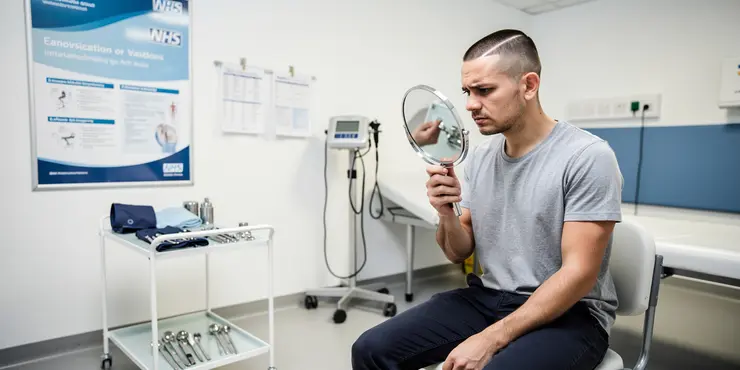

Get Answers
Contact the clinic straight away
If you notice something worrying after your hair transplant in Turkey, contact the clinic as soon as possible. Many post-operative issues are easier to manage when they are dealt with early.
Send clear photos of the affected area and describe your symptoms in detail. Ask for written advice so you have a record of what the clinic has recommended.
Know which symptoms need urgent help
Some swelling, redness, and mild discomfort can be normal in the first few days. However, severe pain, heavy bleeding, pus, fever, or rapidly increasing redness are warning signs.
If you develop breathing problems, a serious allergic reaction, or signs of infection that are getting worse, seek emergency medical help in the UK immediately. Do not wait for the overseas clinic to respond if the problem feels urgent.
See a UK GP or private doctor
If you are back home and still concerned, book an appointment with a UK GP or a private doctor. They can assess the area, check for infection, and advise on treatment.
Take any paperwork with you, including your aftercare instructions, medication details, and photos of the transplant. This helps the doctor understand exactly what has happened.
Follow aftercare instructions carefully
Many problems happen when aftercare advice is not followed closely. Wash your scalp only as instructed, avoid scratching, and stay away from direct sunlight, heavy exercise, and alcohol if these were restricted.
Do not use extra products, ointments, or painkillers unless the clinic or a UK clinician says they are safe. Mixing treatments without advice can make the problem worse.
Keep records and raise a complaint if needed
Save all emails, messages, receipts, treatment plans, and photos. If the outcome is poor or you believe the procedure was not carried out properly, these records may be important later.
You can ask the clinic for a formal review or complaint process. If you paid by credit card, contact your card provider to ask whether Section 75 or chargeback may apply, depending on how the payment was made.
Think about longer-term support
Not every issue can be fixed quickly, and some results take months to become clear. If grafts fail, scarring develops, or the hairline looks unnatural, ask for a specialist opinion before choosing any corrective treatment.
A reputable UK hair restoration surgeon can review your result and explain your options. Getting a second opinion can help you avoid further unnecessary treatment and make a more informed decision.
Frequently Asked Questions
The most common problems after hair transplant in Turkey include swelling, redness, itching, temporary shedding, infection, poor graft survival, numbness, scarring, and unnatural-looking hairlines.
Mild swelling, redness, and itching are often normal in the first days after surgery, but severe pain, heavy bleeding, pus, fever, or rapidly worsening redness may indicate serious problems after hair transplant in Turkey and should be checked by a doctor.
Swelling is one of the common problems after hair transplant in Turkey because fluid, anesthesia, and tissue trauma can cause inflammation around the forehead and scalp for a few days after the procedure.
Yes, infection is a possible problem after hair transplant in Turkey, especially if aftercare instructions are not followed or if the clinic uses poor sterilization practices. Signs include pus, fever, increasing pain, and spreading redness.
Yes, poor graft survival is a major problem after hair transplant in Turkey and can happen if grafts are damaged during extraction, handling, implantation, or if post-op care is inadequate.
Shock loss is a known problem after hair transplant in Turkey where existing hairs temporarily fall out due to surgical stress. In many cases, the hair regrows over several months, but not always.
Yes, an unnatural hairline is one of the most visible problems after hair transplant in Turkey and may result from poor planning, low artistic skill, or placing grafts at incorrect angles or density.
Scarring can be a problem after hair transplant in Turkey, especially with strip surgery or if healing is poor. FUE usually leaves smaller scars, but visible scarring can still occur.
Numbness can occur as a problem after hair transplant in Turkey because small nerves in the scalp may be irritated during surgery. It is often temporary, but persistent numbness should be evaluated.
Itching and crusting are common early problems after hair transplant in Turkey. They usually occur during healing, but excessive scratching can damage grafts and increase the risk of infection.
Overharvesting is a serious problem after hair transplant in Turkey where too many donor hairs are removed from one area, leaving patchy thinning or a visibly depleted donor zone.
Yes, minor bleeding can happen as a problem after hair transplant in Turkey during the first day or two, but persistent or heavy bleeding is not normal and needs medical attention.
Poor density is a common aesthetic problem after hair transplant in Turkey and may result from too few grafts placed, weak graft survival, limited donor supply, or unrealistic expectations.
Yes, delayed healing is a problem after hair transplant in Turkey and can happen because of infection, poor blood flow, smoking, diabetes, or improper aftercare.
Allergic reactions can be among the problems after hair transplant in Turkey and may be triggered by medications, antiseptics, anesthetics, or post-op products. Symptoms can include rash, swelling, and itching.
Persistent pain is not a typical recovery symptom and may signal problems after hair transplant in Turkey such as infection, nerve irritation, inflammation, or improper technique.
Yes, uneven growth is a common cosmetic problem after hair transplant in Turkey where some transplanted hairs grow faster or more densely than others, creating an irregular appearance for months.
To reduce the risk of problems after hair transplant in Turkey, choose a reputable clinic, verify the surgeon's experience, follow aftercare instructions carefully, avoid smoking and alcohol, and attend follow-up visits.
You should contact a doctor about problems after hair transplant in Turkey if you have severe swelling, fever, pus, worsening pain, large areas of redness, significant bleeding, or sudden loss of transplanted grafts.
Yes, some problems after hair transplant in Turkey such as poor hairline design, low density, scarring, or overharvesting can sometimes be improved with revision surgery, but the timing and success depend on the specific case.

Ergsy Search Results
This website offers general information and is not a substitute for professional advice.
Always seek guidance from qualified professionals.
If you have any medical concerns or need urgent help, contact a healthcare professional or emergency services immediately.
Some of this content was generated with AI assistance. We've done our best to keep it accurate, helpful, and human-friendly.
- Ergsy carefully checks the information in the videos we provide here.
- Videos shown by Youtube after a video has completed, have NOT been reviewed by ERGSY.
- To view, click the arrow in centre of video.
- Most of the videos you find here will have subtitles and/or closed captions available.
- You may need to turn these on, and choose your preferred language.
- Go to the video you'd like to watch.
- If closed captions (CC) are available, settings will be visible on the bottom right of the video player.
- To turn on Captions, click settings.
- To turn off Captions, click settings again.