
Get Answers
Understanding Your Refund
If you believe that the refund amount you have received is incorrect, it is important to first gather all relevant information. This includes any receipts, invoices, communication with the seller or service provider, and the terms and conditions related to the purchase. Ensuring you have a clear understanding of the expected refund amount compared to what was provided is crucial in identifying any discrepancies and rectifying them efficiently.
Contact the Seller or Service Provider
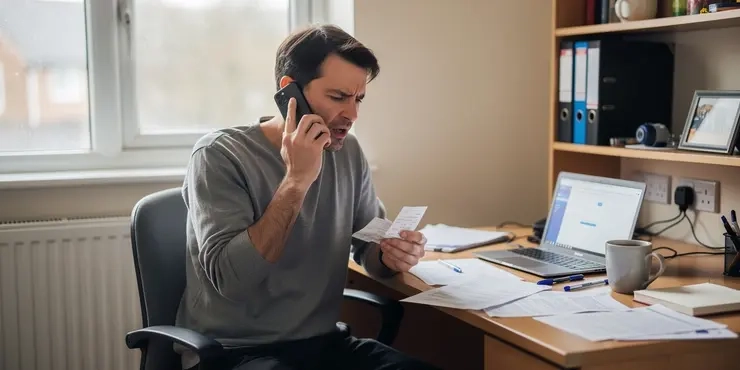
The first step is to directly contact the seller or service provider from whom you received the refund. Most companies have a customer service department that handles refunds and discrepancies. Be prepared to provide them with all the relevant details regarding your purchase and the refund you received. Clearly explain why you believe the refund is incorrect and request a detailed breakdown of how the refund was calculated.
Review Consumer Rights
Familiarize yourself with the Consumer Rights Act 2015, which protects UK consumers in transactions. Under this act, goods sold must be as described, of satisfactory quality, and fit for purpose. If a refund is required, it must be issued promptly and accurately. Understanding your rights can empower you during discussions with the seller or service provider and can be instrumental in resolving the issue.
Utilise Alternative Dispute Resolution
If contacting the seller directly does not resolve the issue, you can consider using an Alternative Dispute Resolution (ADR) scheme. ADR schemes are a way of resolving disputes without going to court and can be quicker and more cost-effective. You can check if the business is registered with an ADR scheme and, if so, pursue this avenue for an independent review of your case.
Seek Assistance from Consumer Organizations
In the UK, there are several consumer organizations such as Citizens Advice and the Consumer Ombudsman, that provide free advice and support to consumers facing disputes over incorrect refunds. These organizations can offer guidance on the next steps and may assist in mediating between you and the seller. They can also provide templates for letters and direct you to further resources if the issue persists.
Consider Legal Action
If all else fails and the amount of money involved is significant, you may need to consider taking legal action. This should be a last resort after all other avenues have been exhausted due to the time and cost involved. If you decide to pursue this option, seeking advice from a legal professional may help you understand the potential costs and outcomes. The Small Claims Court in the UK is designed to handle smaller disputes, and you may file a claim there if necessary.
Getting Your Money Back
If you think the money you got back is wrong, gather all your papers. You need receipts, messages with the seller, and the rules for your buy. Know how much you should get back so you can find and fix mistakes.
Talk to the Seller or Provider
First, call or email the seller or provider who gave you the refund. They usually have a team to help with problems. Have all your purchase information ready. Tell them why you think the refund is wrong and ask how they calculated it.
Know Your Consumer Rights
Learn about the Consumer Rights Act 2015 if you are in the UK. This law helps buyers. It says things you buy must match what was described and be good quality. If you need a refund, it should be correct. Knowing your rights helps when talking to the seller.
Try Other Ways to Solve the Problem
If talking to the seller doesn’t help, you can try Alternative Dispute Resolution (ADR). This is a way to solve problems without going to court. It’s often faster and cheaper. Check if the seller is in an ADR scheme and ask them to check your problem again.
Get Help from Consumer Groups
In the UK, groups like Citizens Advice and the Consumer Ombudsman can help you. They give free advice if you have a refund problem. They can tell you what to do next or help talk to the seller for you. They also have letter templates and more resources.
Think About Legal Action
If nothing else works and it’s about a lot of money, you might have to go to court. This is the last step because it takes time and money. A lawyer can help you know what might happen. In the UK, you can use the Small Claims Court for smaller problems.
Frequently Asked Questions
First, review your initial purchase receipt and refund notice to verify the amounts. If they don't match, contact the company's customer service for clarification.
Reach out to the customer service or support team of the company from which you purchased the item or service.
Compare the refund amount you received with your original purchase amount and any applicable return policies or agreements.
Have your original receipt, refund transaction details, and any communications related to the purchase or return ready.
Check the company's return and refund policies, as these often specify a time frame for disputing refunds.
If negotiations with customer service don't resolve the issue, consider escalating the matter to a manager or filing a complaint with a consumer protection agency.
Yes, providing proof such as receipts, emails, or screenshots can support your claim of an incorrect refund.
It's possible, but you'll need to contact customer service and present valid reasons for why you believe the initial refund was incorrect.
Companies typically provide confirmation or a tracking number after resolving refund disputes, but follow up if you do not receive one.
This varies by company, but many aim to resolve refund issues within a few business days.
Mistakes can occur, but most companies have systems in place to minimize these errors. Always review refund amounts carefully.
Clarify with customer service, as tax and shipping fees can complicate refunds and may involve specific policies.
It can, as different payment methods (credit card, PayPal, etc.) may have unique dispute processes; consult the refund policy.
Some companies may request proof of identity to verify your claim, so be prepared to provide it if asked.
Contact customer service with any other proof of purchase you might have, such as a bank statement or email confirmation.
Yes, if you paid by credit or debit card, you may be able to dispute the charge with your bank or card issuer.
Yes, many regions have consumer protection laws pertaining to fair refunds, so you can seek legal advice if necessary.
Check the refund policy thoroughly before purchases and maintain clear records of all transactions.
Most companies do not charge a fee for disputing refund amounts, but confirm with their policy before proceeding.
Yes, some companies have social media support teams that can help resolve such issues tactfully and promptly.
First, look at your first purchase receipt and refund notice to check the amounts. If they are not the same, talk to the company's customer service team for help.
Contact the customer service or help team of the company where you bought the item or service.
Check how much money you got back. Compare it to how much you paid when you bought the item. Also, look at any rules about returns.
Tools can help you understand better. You can use picture guides or ask someone to explain the rules if you find them tricky.
Keep these things ready:
- Your first receipt from when you bought it.
- Details about the refund or money back.
- Any letters, emails, or notes about buying or returning it.
Try using a highlighter or stickers to mark important parts. If you need help, ask someone to go over the details with you.
Look at the company's rules for giving things back and getting your money back. These rules usually say how long you have to ask for your money back.
If talking to customer service doesn't fix the problem, try talking to a manager. You can also tell a consumer protection agency about the problem.
Yes, you can show proof like receipts, emails, or pictures of your screen to help fix a wrong refund.
You can do it, but you have to talk to customer service. Tell them why you think the first refund was wrong. You need to give a good reason.
After a company sorts out a refund problem, they usually send a note or a tracking number to let you know. If you don't get this, it's a good idea to ask them again.
Different companies have different rules, but many try to sort out refunds in a few working days.
Sometimes mistakes happen, but many companies have ways to stop these mistakes. Always check your refund amount carefully.
Ask customer service for help. Taxes and shipping costs can make refunds tricky. There might be special rules you need to know.
Yes, it can. Different ways to pay, like using a credit card or PayPal, have their own rules for problems. Check the refund policy for help.
Some companies might ask you to show who you are. They do this to make sure your request is real. Be ready to show proof if they ask.
If you have something else that shows you bought it, like a bank paper or an email that says you paid, tell customer service.
Yes, if you used a credit or debit card to pay, you can talk to your bank or card company to try to get your money back.
Yes, many places have rules that help people get their money back. If you need to, you can talk to a lawyer for help.
Before you buy something, make sure to read the rules about getting your money back. Always keep good notes of what you buy.
Most companies do not ask for money when you question a refund amount. But, check their rules before you do this.
Yes, some companies have special teams to help with problems on social media. They work quickly and politely to fix things.

Ergsy Search Results
This website offers general information and is not a substitute for professional advice.
Always seek guidance from qualified professionals.
If you have any medical concerns or need urgent help, contact a healthcare professional or emergency services immediately.
Some of this content was generated with AI assistance. We've done our best to keep it accurate, helpful, and human-friendly.
- Ergsy carefully checks the information in the videos we provide here.
- Videos shown by Youtube after a video has completed, have NOT been reviewed by ERGSY.
- To view, click the arrow in centre of video.
- Most of the videos you find here will have subtitles and/or closed captions available.
- You may need to turn these on, and choose your preferred language.
- Go to the video you'd like to watch.
- If closed captions (CC) are available, settings will be visible on the bottom right of the video player.
- To turn on Captions, click settings.
- To turn off Captions, click settings again.