
Get Answers
Understanding Labels and Ingredients
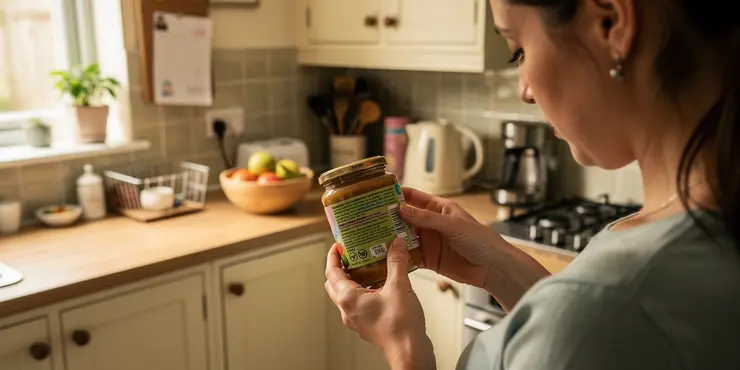
When selecting baby food, it's crucial to start by examining the label for a comprehensive understanding of the ingredients used. Look for organic certifications or symbols, as these indicate fewer pesticides and chemicals. In the UK, the Soil Association's organic label is reputable. It's also important to check the list of ingredients; they should be minimal and recognizable. Avoid foods with added sugars, salt, or artificial additives. Pure, simple ingredients ensure you're feeding your baby clean, safe food.
Expiry and Production Dates
Always check the expiry date on the baby food packaging. Products that are close to their expiration may not be as fresh and could pose health risks. Beyond the expiry, look for the production date too, as this provides insights into how long the product has been on the shelf. As a rule of thumb, opt for items that offer a longer period before expiration, ensuring freshness and quality.
Packaging Integrity
The packaging condition plays a vital role in the safety of baby food. Inspect jars, pouches, or boxes for any signs of damage. Look for dents in cans or breaks in seals that could indicate a compromised product. Damaged packaging can allow bacteria to enter or spoil the contents, posing a risk to your baby’s health. If the packaging shows any sign of damage or tampering, it’s best to avoid it altogether.
Nutritional Information
Nutritional labels provide essential information about what you're feeding your baby. Look for baby foods that offer balanced nutrition, focusing on core nutrients such as proteins, vitamins, and minerals. Ensure that the product doesn’t contain unnecessary fillers or low-nutrient contents. Understanding these labels ensures you're choosing food that supports your child's growth and development.
Allergy Information
It's essential to scan the packaging for allergy information, which is typically highlighted near the ingredients list. In the UK, allergens such as peanuts, milk, and soy must be clearly marked. This information helps prevent unintended exposure to allergens that could cause adverse reactions in your baby. Reading this section carefully can prevent potential health risks.
Storage Instructions
Proper storage is vital for ensuring the longevity and safety of baby food. Pay close attention to the storage instructions mentioned on the packaging. Some products require refrigeration even before opening, while others should be kept in a cool, dry place. Proper compliance with these guidelines helps maintain the food's safety and nutritional quality.
Country of Origin and Manufacturing Information
Knowing where and how your baby food is produced can offer reassurance about product safety. Check for information about the country of origin and manufacturing processes. Some parents prefer locally sourced foods, believing they offer better oversight and quality standards. Transparency in these areas assures you of the care taken during production.
Understanding Labels and Ingredients
When choosing food for your baby, it's important to look at the label. This helps you know what is in the food. Check for organic symbols because they show there are fewer chemicals. In the UK, the Soil Association's organic label is a good one. Look at the list of ingredients. They should be simple and easy to recognize. Don’t buy foods with added sugars, salt, or fake ingredients. Simple foods are safer for your baby.
Expiry and Production Dates
Always check the expiry date on the baby food. This tells you when it goes bad. Foods close to their expiry date might not be fresh and could be bad for health. Also, look for the production date to know how long the food has been on the shelf. Pick foods that last longer on the shelf to keep them fresh and good.
Packaging Integrity
Check the packaging of baby food before buying. Look at jars, pouches, or boxes for signs of damage. See if cans have dents or if seals are broken. Damaged packaging can let germs in, making the food unsafe. If you see any damage, don’t buy it.
Nutritional Information
Nutritional labels tell you what’s in the food. Look for baby foods with good nutrition. They should have proteins, vitamins, and minerals. Make sure there are no useless fillers. Reading these labels helps you pick food that helps your baby grow healthy and strong.
Allergy Information
Look for allergy information on the packaging. This is usually near the ingredients list. In the UK, things like peanuts, milk, and soy must be easy to see. Knowing about allergens keeps your baby safe from allergic reactions. Read this part carefully to keep your baby safe.
Storage Instructions
Storing baby food the right way is important. Look at the storage instructions on the package. Some foods need to be kept in the fridge even before you open them. Others should stay in a cool, dry place. Following these instructions keeps the food safe and good to eat.
Country of Origin and Manufacturing Information
Knowing where your baby's food comes from is reassuring. Check the country of origin and how the food is made. Some parents like local foods because they think they are better checked. Knowing this makes sure the food is made carefully and safely.
Frequently Asked Questions
Baby food safety packaging checks are inspections and tests used to confirm that packaging for baby food is clean, intact, properly sealed, and suitable for protecting the product from contamination, spoilage, and tampering. They are important because babies are more vulnerable to foodborne illness and packaging failures can directly affect safety and quality.
Baby food safety packaging checks verify seal integrity by looking for incomplete seals, leaks, weak seal areas, wrinkles, cracks, or lifted edges. Depending on the packaging type, manufacturers may also use vacuum tests, dye tests, pressure tests, or torque checks to confirm the package remains securely closed.
Common defects found during baby food safety packaging checks include torn film, dented cans, cracked jars, loose lids, broken seals, damaged pouches, missing tamper-evident features, and contamination on the closure area. Any defect that could allow air, moisture, or microbes to enter is typically treated as a safety concern.
Baby food safety packaging checks include tamper-evident feature inspection to help ensure consumers can tell whether a product has been opened or altered. This reduces the risk of unnoticed tampering and helps protect infants from unsafe or contaminated food.
Baby food safety packaging checks detect contamination risks by examining the exterior and closure areas for dirt, foreign materials, residue, insects, moisture, or damage. Packaging is also checked to make sure it does not introduce harmful substances into the food and that it provides a reliable barrier against contaminants.
Baby food safety packaging checks help confirm that the package can maintain a proper barrier against oxygen, light, moisture, and microbes throughout the intended shelf life. If the packaging is compromised, baby food may spoil sooner or become unsafe before the expiration date.
Baby food safety packaging checks assess jar and lid safety by confirming that glass is free from cracks or chips, lids are flat and properly attached, and vacuum or other closure indicators are correct. The check also confirms that the jar and lid combination can protect the food until opening.
Baby food safety packaging checks for pouches and sachets focus on seal consistency, puncture resistance, print accuracy, absence of leaks, and intact corners and edges. Because pouches can be flexible, they are especially checked for pinholes and seal channel defects that could compromise safety.
Baby food safety packaging checks typically reject damaged or dented containers when the damage could affect seal integrity, barrier protection, or product safety. Minor cosmetic dents may be acceptable in some packaging types, but containers with compromised seams, seals, or closures are usually removed from sale.
Baby food safety packaging checks verify label and date code accuracy so caregivers can identify ingredients, allergens, storage instructions, lot numbers, and expiration dates correctly. Accurate coding also supports traceability if a recall or quality issue occurs.
Baby food safety packaging checks should be performed regularly throughout production, not only at the end of the line. Many manufacturers inspect packaging during setup, during routine production intervals, after changeovers, and before shipment to catch issues early and reduce risk.
Baby food safety packaging checks may use seal testers, torque meters, vacuum chambers, leak detectors, vision inspection systems, weighing equipment, and metal detectors depending on the packaging format. Manual visual inspection is often combined with automated systems for better reliability.
Baby food safety packaging checks support regulatory compliance by helping manufacturers meet food safety, labeling, sanitation, and packaging integrity requirements. Consistent checks create documented evidence that the packaging was inspected and that unsafe products were identified before distribution.
Consumers should look for intact seals, undamaged containers, unopened tamper-evident features, clear expiration dates, and clean packaging with no leaks, swelling, rust, or cracks. If anything looks unusual, the product should not be fed to a baby.
Baby food safety packaging checks help prevent serious hazards by identifying seals or containers that may allow harmful microorganisms to enter or grow. While packaging checks do not eliminate all risk, they reduce the chance that damaged or compromised packages reach infants.
Visual inspection in baby food safety packaging checks looks for obvious defects such as dents, leaks, mislabels, or broken seals. Technical testing uses instruments or methods such as pressure, torque, or leak tests to confirm packaging performance beyond what can be seen by eye.
Baby food safety packaging checks verify that materials are suitable for contact with food, do not leach harmful substances, and remain stable under expected storage conditions. This includes checking that the packaging complies with food-contact requirements and is appropriate for baby food use.
When baby food safety packaging checks find a failed package, the product is usually isolated, investigated, and either reworked, discarded, or held for further evaluation depending on the issue. The failure is also documented so the root cause can be corrected and repeated problems prevented.
Baby food safety packaging checks help with recall readiness by maintaining clear lot codes, production records, inspection logs, and traceability data. If a packaging issue is discovered, the manufacturer can identify affected products more quickly and take action to protect consumers.
Baby food safety packaging checks are especially strict for infant products because babies have developing immune systems and are less able to tolerate contamination, spoilage, or allergens. Strong packaging controls help reduce the chance of exposure to unsafe food.

Ergsy Search Results
This website offers general information and is not a substitute for professional advice.
Always seek guidance from qualified professionals.
If you have any medical concerns or need urgent help, contact a healthcare professional or emergency services immediately.
Some of this content was generated with AI assistance. We've done our best to keep it accurate, helpful, and human-friendly.
- Ergsy carefully checks the information in the videos we provide here.
- Videos shown by Youtube after a video has completed, have NOT been reviewed by ERGSY.
- To view, click the arrow in centre of video.
- Most of the videos you find here will have subtitles and/or closed captions available.
- You may need to turn these on, and choose your preferred language.
- Go to the video you'd like to watch.
- If closed captions (CC) are available, settings will be visible on the bottom right of the video player.
- To turn on Captions, click settings.
- To turn off Captions, click settings again.