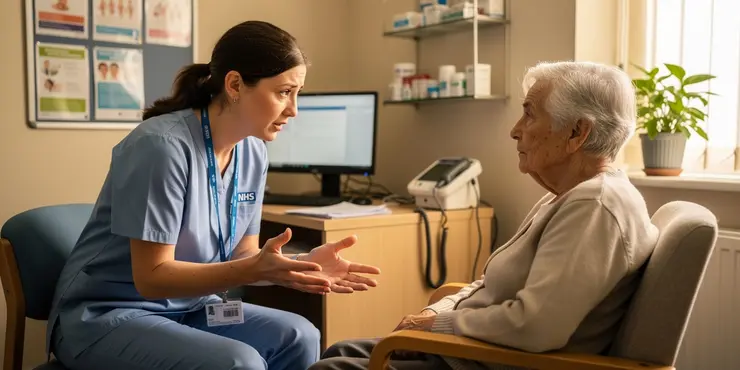

Speak To An Expert
Get clear, personalised advice for your situation.
Jot down a few questions to make the most of your conversation.
What is Shingles?
Shingles, also known as herpes zoster, is a viral infection that causes a painful rash. It is caused by the varicella-zoster virus, which is the same virus that causes chickenpox. After a person has recovered from chickenpox, the virus remains dormant in the body's nerve tissues. Many years later, the virus can reactivate as shingles.
Symptoms of Shingles
The initial symptoms of shingles often include pain, itching, or tingling in a specific area on one side of the body or face. This is typically followed by the appearance of a rash. The rash evolves into fluid-filled blisters that eventually crust over. The pain associated with shingles can be intense and is often described as burning, shooting, or stabbing. Some people may also experience fever, headache, or fatigue.
Who is at Risk?
Anyone who has had chickenpox is at risk of developing shingles, but it most commonly occurs in older adults and individuals with weakened immune systems. The likelihood of developing shingles increases with age. Other risk factors include physical trauma or prolonged stress, which can weaken the immune system and trigger the reactivation of the virus.
Complications of Shingles
A common complication of shingles is postherpetic neuralgia (PHN), which is persistent nerve pain that lasts for months or even years after the rash has healed. PHN is more likely to occur in older adults. Other complications can include vision loss if the shingles occur near the eyes and bacterial infections of the blisters. In very rare cases, shingles can lead to serious neurological problems, such as encephalitis.
Diagnosis and Treatment
Shingles is typically diagnosed based on the distinctive appearance of the rash and the distribution of blisters. Laboratory tests may be conducted to confirm the diagnosis. Treatment primarily focuses on managing symptoms and reducing the risk of complications. Antiviral medications, such as acyclovir, valacyclovir, or famciclovir, can help reduce the severity and duration of the illness if started early. Pain relief may be managed with over-the-counter painkillers or prescription medications for severe pain.
Prevention
Vaccination is an effective way to prevent shingles. Two vaccines are available in the UK: Zostavax and Shingrix. Shingrix is the preferred vaccine as it provides longer-lasting protection. The NHS offers the shingles vaccine to people aged 70 to 79 as part of the national immunisation programme. It is important to discuss vaccination with your GP to determine the most suitable option for you.
Conclusion
Shingles is a significant health concern, especially for older adults, due to its potential to cause severe pain and complications. Awareness of the early symptoms and the benefits of vaccination can help mitigate its impact. If you suspect you have shingles, seek medical advice promptly to start appropriate treatment.
What is Shingles?
Shingles is a sickness that gives you a painful skin rash. It is caused by the same virus that gives you chickenpox. After you get better from chickenpox, this virus stays inactive in your body. Many years later, it can wake up and cause shingles.
Symptoms of Shingles
Shingles usually starts with pain, itching, or tingling on one side of your body or face. Then, a rash appears. The rash turns into blisters filled with fluid. These blisters dry up and form a crust. The pain from shingles can be very strong. It feels like burning or sharp stabs. Some people might also get a fever, a headache, or feel very tired.
Who is at Risk?
If you had chickenpox before, you can get shingles. Shingles is more common in older people and those who have weak immune systems. The risk of getting shingles goes up as you age. Stress or getting hurt can also make it more likely.
Complications of Shingles
A common problem from shingles is long-lasting nerve pain called postherpetic neuralgia (PHN). This pain can last for months or years after the rash is gone. PHN happens more in older people. Shingles near the eyes can cause vision problems. Blisters can get infected with bacteria. In rare cases, shingles can cause serious brain problems.
Diagnosis and Treatment
Doctors usually know it's shingles by looking at the rash and blisters. Sometimes they do lab tests to be sure. Treatment helps manage symptoms and avoid problems. Medicines can make shingles less severe if taken early. Pain can be treated with common pain pills or stronger medicine if needed.
Prevention
Getting vaccinated can prevent shingles. There are two vaccines: Zostavax and Shingrix. Shingrix is better because it protects longer. In the UK, people aged 70 to 79 can get the vaccine from the NHS. Talk to your doctor to know which vaccine is right for you.
Conclusion
Shingles is a serious health issue, especially for older people. It can be very painful and cause problems. Knowing the first signs and getting vaccinated can help. If you think you have shingles, see a doctor quickly to get treatment.
Frequently Asked Questions
Shingles is a viral infection that causes a painful rash. It is caused by the varicella-zoster virus, which also causes chickenpox.
Symptoms of shingles include a painful rash, typically occurring on one side of the body, accompanied by tingling or burning sensations, fever, headache, and fatigue.
Shingles is caused by the reactivation of the varicella-zoster virus, the same virus that causes chickenpox. After a person has chickenpox, the virus lies dormant in nerve tissue and can reactivate later in life as shingles.
Anyone who has had chickenpox is at risk of developing shingles, particularly individuals over 50, those with weakened immune systems, and people under significant stress.
Shingles itself is not contagious, but the varicella-zoster virus can be spread to individuals who have never had chickenpox or been vaccinated against it, potentially causing chickenpox.
Shingles can be diagnosed by a healthcare professional based on the characteristic appearance of the rash and symptoms, sometimes confirmed with laboratory tests if necessary.
Treatments for shingles include antiviral medications to reduce the severity and duration, pain relief medications, and sometimes corticosteroids to reduce inflammation.
Yes, shingles can be largely prevented by vaccination. The shingles vaccine is recommended for adults aged 50 and older.
Postherpetic neuralgia is a complication of shingles where the skin pain continues long after the rash has cleared, due to nerve damage.
A shingles outbreak typically lasts between 2 to 4 weeks from the appearance of the first symptoms to the resolution of the rash.
Stress can weaken the immune system, potentially triggering the reactivation of the varicella-zoster virus and causing shingles.
Yes, complications can include postherpetic neuralgia, vision loss if shingles affects the eye, neurological problems, and skin infections.
The shingles vaccine does not cause chickenpox, as it uses a weakened form of the virus to stimulate an immune response without causing disease.
The shingles vaccine is generally recommended for adults aged 50 and older, regardless of whether they remember having had chickenpox.
Yes, the shingles vaccine is considered safe for most people and effective in reducing the risk and severity of shingles and its complications.
If you think you have shingles, seek medical attention promptly. Early treatment can help reduce symptoms and prevent complications.
While rare, children can get shingles, particularly if they had chickenpox or received the chickenpox vaccine.
Having shingles once does not make one immune from additional outbreaks; it is possible to have shingles more than once.
Yes, besides causing a rash, shingles can affect internal organs and nerves, leading to complications such as pneumonia, hearing problems, and encephalitis.
Yes, shingles is caused by the varicella-zoster virus, while oral and genital herpes are caused by the herpes simplex virus, indicating different infections.
Shingles is a sickness caused by a virus. It gives you a sore, itchy skin rash. The same virus also makes chickenpox.
Shingles can make your skin hurt. It shows up as a rash. The rash is usually on one side of your body. It might tingle or burn. You might also get a fever, headache, or feel very tired.
Shingles happens because of a virus. This virus is the same one that gives you chickenpox. After you get chickenpox, the virus stays asleep in your body. Later, it can wake up as shingles.
If you had chickenpox, you might get shingles. This is more likely if you are over 50 years old, if your body can't fight germs well, or if you are very stressed.
Shingles cannot be given to someone else. But if someone has never had chickenpox or the chickenpox shot, they can catch the virus and get chickenpox from someone with shingles.
A doctor can tell if you have shingles by looking at your skin and how you're feeling. Sometimes, they might do a test to be sure.
If you have shingles, there are medicines that can help. Some medicines can make shingles less painful and help you get better faster. You can also take medicine for pain. Sometimes, a doctor might give you another medicine to help with swelling and redness.
Yes, you can stop shingles with a vaccine. People who are 50 years old and older should get the shingles vaccine.
Postherpetic neuralgia is a problem that can happen after you have shingles. It means the skin still hurts even when the rash is gone because the nerves are hurt.
A shingles outbreak usually lasts 2 to 4 weeks. It starts with the first sign of illness and ends when the rash goes away.
When you feel stressed, it can make your body weak. This might wake up the virus that causes chickenpox and make you get a sickness called shingles.
Yes, shingles can cause other problems. These might be nerve pain that lasts a long time, trouble seeing if it affects the eye, problems with the brain, and skin infections.
The shingles vaccine will not give you chickenpox. It uses a weak part of the virus to help your body fight it. This doesn't make you sick.
The shingles vaccine is a shot for people 50 years and older. It helps protect them from getting shingles. It doesn't matter if they remember having chickenpox or not.
Yes, the shingles vaccine is safe for most people. It helps stop you from getting shingles, or makes it not as bad if you do get it.
If you think you have shingles, go to the doctor quickly. Getting help early can make you feel better and stop any problems from happening.
Sometimes, kids can get a sickness called shingles. This can happen if they had chickenpox before or got the chickenpox shot.
If you get shingles once, you can still get it again. Shingles can happen more than one time.
Yes, shingles can cause more than just a rash. It can also affect inside your body and nerves. This can lead to other problems like lung infection (pneumonia), trouble hearing, and problems with the brain (encephalitis).
Yes, shingles and herpes are caused by different viruses. Shingles comes from the varicella-zoster virus. Oral and genital herpes come from the herpes simplex virus. This means they are different infections.

Ergsy Search Results
This website offers general information and is not a substitute for professional advice.
Always seek guidance from qualified professionals.
If you have any medical concerns or need urgent help, contact a healthcare professional or emergency services immediately.
Some of this content was generated with AI assistance. We've done our best to keep it accurate, helpful, and human-friendly.
- Ergsy carefully checks the information in the videos we provide here.
- Videos shown by Youtube after a video has completed, have NOT been reviewed by ERGSY.
- To view, click the arrow in centre of video.
- Most of the videos you find here will have subtitles and/or closed captions available.
- You may need to turn these on, and choose your preferred language.
- Go to the video you'd like to watch.
- If closed captions (CC) are available, settings will be visible on the bottom right of the video player.
- To turn on Captions, click settings.
- To turn off Captions, click settings again.