
Get Answers
Introduction
The flu season poses a significant challenge to public health systems worldwide, including in the UK. Public health measures play a crucial role in controlling the spread of influenza and minimizing its impact on the population. These measures are essential in maintaining healthcare capacity, protecting vulnerable groups, and reducing societal disruptions during the flu season.
Vaccination Campaigns
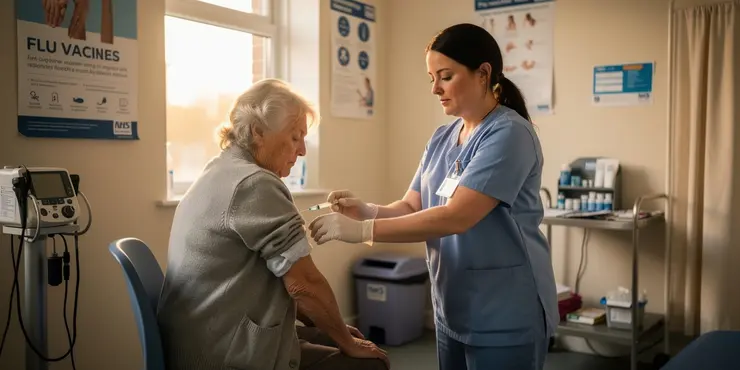
One of the most effective public health strategies to control flu outbreaks is vaccination. The seasonal flu vaccine is updated annually to protect against the most prevalent strains. Public health authorities in the UK, such as the NHS, conduct widespread vaccination campaigns each year, encouraging high-risk groups to receive the vaccine. These groups include the elderly, individuals with chronic health conditions, young children, and pregnant women. By increasing vaccination coverage, public health measures aim to create herd immunity, reducing the virus's ability to spread within communities.
Public Awareness and Education
Informing the public about flu prevention strategies is another critical aspect of controlling the flu season. Public health campaigns focus on educating people about personal hygiene practices, such as frequent handwashing, using tissues when sneezing or coughing, and avoiding close contact with infected individuals. By increasing public awareness, these measures help to reduce transmission rates and prevent outbreaks. Additionally, educating healthcare professionals about flu symptoms and treatment options enables timely intervention and reduces complications.
Surveillance and Monitoring
Effective surveillance systems are central to controlling the flu season. Public health authorities in the UK monitor flu activity and virus strains to assess the severity of the flu season and make informed decisions about resource allocation. This data collection helps in updating vaccination strategies and deploying antiviral medications effectively. Surveillance also facilitates early detection of flu outbreaks, allowing for swift public health responses to limit their spread.
Infection Control Measures
Beyond vaccination and education, infection control measures in healthcare settings play a crucial role. Hospitals and clinics implement protocols to manage flu cases and prevent nosocomial infections. These include isolating infected patients, using protective equipment, and encouraging staff vaccinations. Such measures protect both healthcare workers and patients, minimizing the impact on healthcare services during peak flu seasons.
Conclusion
Public health measures are indispensable in controlling the flu season in the UK. Through vaccination campaigns, public awareness efforts, accurate surveillance, and stringent infection control practices, these measures aim to protect public health, alleviate pressure on healthcare systems, and reduce the social and economic impact of flu seasons. By adhering to these strategies, the UK can better manage flu seasons and safeguard the well-being of its population.
Introduction
The flu is a sickness that happens every year. It can make many people sick and cause big problems for hospitals. There are ways to help stop the flu from spreading and to keep people safe. These ways are very important to protect those who might get very sick and to make sure hospitals can help everyone.
Get a Flu Jab
Getting a flu jab (also called a flu shot) is a good way to stop the flu. Every year, doctors change the flu jab to protect against the latest flu types. In the UK, groups like the NHS tell certain people to get the jab. These people are older adults, people who get sick easily, young kids, and pregnant women. When more people get the jab, it helps stop the flu from spreading.
Learn About Flu Prevention
It is important to know how to stop the flu from spreading. Some things that help are washing your hands often, using a tissue when you sneeze or cough, and staying away from sick people. Learning about these things can help stop the flu from moving from one person to another. Doctors also learn how to treat the flu so they can help people get better faster.
Watch and Check Flu Spread
Doctors and health workers watch the flu closely. They collect information to see how bad the flu is each year. This helps them decide how many jabs are needed and where to send medicine. Watching the flu helps stop it quickly when it starts to spread.
Keep Hospitals Safe
Hospitals have rules to stop the flu from spreading inside them. They might separate sick people and make sure everyone uses masks and gloves. These rules keep nurses, doctors, and patients safe. It also helps hospitals work well, even when many people are sick with the flu.
Conclusion
Stopping the flu is very important in the UK. By getting flu jabs, learning about staying healthy, watching the flu, and keeping hospitals safe, we can help everyone stay well during the flu season. These steps make it easier to handle flu time and keep people healthy.
Frequently Asked Questions
Public health measures controlling flu season are community-wide actions such as vaccination campaigns, hygiene guidance, testing, isolation recommendations, ventilation improvements, and public messaging designed to reduce flu transmission and severity.
Public health measures controlling flu season are important because they help lower infections, protect vulnerable people, reduce pressure on hospitals, and limit disruptions to schools, workplaces, and daily life.
Vaccines are a central part of public health measures controlling flu season because they reduce the risk of infection, severe illness, hospitalization, and death, especially when widely available before flu activity rises.
Hand hygiene supports public health measures controlling flu season by reducing the spread of flu viruses from contaminated hands to the mouth, nose, or eyes and by lowering transmission on shared surfaces.
Respiratory etiquette supports public health measures controlling flu season by encouraging people to cover coughs and sneezes, use tissues or elbows, and dispose of tissues properly to limit viral spread.
Masks can contribute to public health measures controlling flu season by reducing the spread of respiratory droplets and aerosols, especially in crowded indoor settings or when flu activity is high.
Ventilation helps public health measures controlling flu season by diluting and removing virus-containing particles from indoor air, which can reduce the likelihood of transmission in enclosed spaces.
Isolation recommendations are part of public health measures controlling flu season because people with flu symptoms are advised to stay home and avoid others while contagious, which helps break chains of transmission.
Testing and diagnosis support public health measures controlling flu season by identifying flu cases, helping clinicians recommend treatment, and allowing public health teams to monitor trends and respond quickly.
People who benefit most from public health measures controlling flu season include older adults, young children, pregnant people, people with chronic conditions, and anyone with a weakened immune system.
Schools use public health measures controlling flu season by promoting vaccination, improving handwashing, cleaning high-touch surfaces, encouraging sick students and staff to stay home, and increasing ventilation.
Workplaces use public health measures controlling flu season by supporting sick leave, encouraging vaccination, improving airflow, allowing remote work when possible, and reminding employees to stay home when ill.
Public health measures controlling flu season reduce hospital strain by lowering the number of severe cases at the same time, which helps preserve beds, staffing, and supplies for those who need care.
Public health measures controlling flu season protect vulnerable communities by lowering overall transmission, improving access to vaccines and treatment, and reducing exposure in settings where high-risk people live or receive care.
Public education is a key part of public health measures controlling flu season because clear messaging helps people understand symptoms, prevention steps, vaccination timing, and when to seek care.
Public health measures controlling flu season can be adapted during severe outbreaks by expanding vaccination outreach, increasing testing, strengthening masking guidance, improving ventilation, and issuing targeted recommendations for high-risk settings.
Yes, public health measures controlling flu season often also help reduce other respiratory illnesses because many of the same prevention steps, such as vaccination, hand hygiene, masking, and ventilation, limit broader virus spread.
Public health measures controlling flu season support early treatment by encouraging people to recognize symptoms quickly, seek medical advice sooner, and receive antiviral treatment when appropriate.
The public health goal of controlling flu season is to reduce illness, prevent severe outcomes, slow transmission, protect healthcare capacity, and minimize the overall impact of influenza on communities.
Individuals can participate in public health measures controlling flu season by getting vaccinated, staying home when sick, practicing hand hygiene, covering coughs and sneezes, improving indoor air, and following local health guidance.

Ergsy Search Results
This website offers general information and is not a substitute for professional advice.
Always seek guidance from qualified professionals.
If you have any medical concerns or need urgent help, contact a healthcare professional or emergency services immediately.
Some of this content was generated with AI assistance. We've done our best to keep it accurate, helpful, and human-friendly.
- Ergsy carefully checks the information in the videos we provide here.
- Videos shown by Youtube after a video has completed, have NOT been reviewed by ERGSY.
- To view, click the arrow in centre of video.
- Most of the videos you find here will have subtitles and/or closed captions available.
- You may need to turn these on, and choose your preferred language.
- Go to the video you'd like to watch.
- If closed captions (CC) are available, settings will be visible on the bottom right of the video player.
- To turn on Captions, click settings.
- To turn off Captions, click settings again.