
Get Answers
Introduction to Chiropractic Adjustments
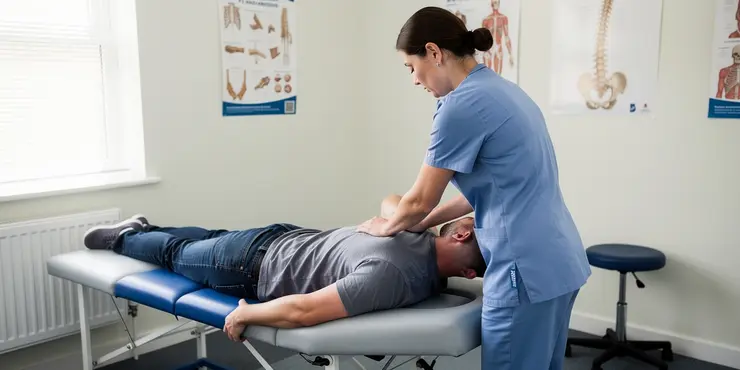
Chiropractic adjustments, also known as spinal manipulations, are a common procedure performed by chiropractors to help align the spine and alleviate various musculoskeletal issues. A frequent question among patients is about the audible popping sound that sometimes accompanies these adjustments. Understanding this phenomenon can help demystify the process and alleviate any concerns.
The Mechanism Behind the Sound
The popping sound that occurs during a chiropractic adjustment is similar to the noise you might hear when you crack your knuckles. This sound is scientifically referred to as "cavitation." It occurs when a swift physical force is applied to a joint, creating a rapid change in joint pressure. This change causes dissolved gases in the synovial fluid, which lubricates the joint, to rapidly form bubbles. When these bubbles burst or collapse, a popping or cracking noise is produced.
Is the Popping Sound Necessary for a Successful Adjustment?
While the popping sound is a common byproduct of spinal adjustments, it is not a requisite for a successful chiropractic session. The therapeutic benefits of an adjustment are not dependent on the presence of this sound. Some adjustments may not result in any audible pops, yet still effectively improve joint function, reduce pain, and enhance mobility. The key indicator of a successful adjustment is the relief of symptoms and improved range of motion, not the presence or absence of a popping sound.
Safety and Efficacy of Chiropractic Adjustments
Chiropractic adjustments are generally considered safe when performed by qualified practitioners. The popping sound itself is normal and not indicative of any harm being done. However, patients with certain medical conditions may need to avoid specific types of manipulations, which is why a comprehensive assessment by a chiropractor is crucial. It is also important for patients to communicate their comfort levels and any apprehensions they may have during the process.
Conclusion
The popping sound experienced during a chiropractic adjustment is a natural result of gas bubbles in the joint fluid, which should not be a cause for concern. While it might be audible, it does not determine the effectiveness of the treatment. For those considering chiropractic care, understanding this aspect of the procedure can help allay fears and encourage informed conversations with their health practitioners. Always ensure that adjustments are carried out by licensed professionals to ensure safety and efficacy.
Introduction to Chiropractic Adjustments
Chiropractic adjustments help fix your spine. They can make your body feel better, especially if you have pain. Sometimes, when a chiropractor moves your back, you might hear a popping sound. This can seem strange, but it is normal.
Why Does It Pop?
The popping sound is like when you crack your knuckles. When a chiropractor moves your joint quickly, bubbles form in the joint fluid. These bubbles pop, making the noise. It's called "cavitation" and is nothing to worry about.
Do You Need the Pop?
You do not need to hear a pop for the treatment to work. Some people hear it, and some don’t. Even if there is no sound, the adjustment can still help your body feel better. The important thing is that your pain gets better and you can move more easily.
Is It Safe?
Yes, chiropractic adjustments are safe when done by a trained chiropractor. The popping noise does not mean anything is wrong. However, if someone has certain health problems, they may need different care. It’s important to tell your chiropractor if you’re worried or have health issues.
Conclusion
The pop during a chiropractic adjustment is from bubbles and is normal. It doesn't tell you how well the treatment works. People thinking about seeing a chiropractor should talk with their doctor to understand more. Always see a trained chiropractor to be safe.
Frequently Asked Questions
The popping sound is caused by the release of gas bubbles from the synovial fluid in the joint capsules, known as cavitation.
No, the popping sound itself is not harmful. It is a normal occurrence during adjustments and does not indicate any damage.
Not necessarily. The sound itself is not an indicator of a successful adjustment; rather, the success depends on the correct alignment and improvement of joint function.
Not all adjustments produce a popping sound. Factors such as the specific joint being adjusted, the technique used, and individual patient differences can affect whether a sound is heard.
Not necessarily. The presence or absence of the sound can vary from session to session depending on which joints are adjusted and other factors.
Yes, the popping sound during a chiropractic adjustment is similar to the sound made when cracking knuckles, as both are caused by the release of gas bubbles from joint fluid.
Certain high-velocity, low-amplitude (HVLA) techniques are more likely to produce the popping sound due to the rapid movement of joint surfaces releasing gas.
Not necessarily. The sound itself doesn't guarantee proper realignment; it's the overall improvement in mobility and reduction of discomfort that indicates a successful adjustment.
Most synovial joints can produce a popping sound when adjusted, but it is more common in the spine, fingers, and other movable joints.
Many people feel relief after hearing the popping sound, as the adjustment can reduce tension, restore range of motion, and improve joint function.
The popping sound alone is not an indicator of a problem. If there are concerns, they are typically determined by other symptoms and evaluation, not the sound.
Multiple pops can occur if more than one joint is being adjusted or if there is significant release of gas through several small adjustments.
No, the absence of a popping sound does not mean the adjustment was ineffective. Benefits can still be achieved without an audible release.
Potentially, as the need for adjustments and joint stiffness may decrease with ongoing care, resulting in fewer audible releases.
Yes, techniques such as mobilization, soft tissue work, and instrument-based adjustments can be effective without producing an audible pop.
No, the loudness of the sound does not correlate with effectiveness. An effective adjustment depends more on technique and patient response.
Chiropractors use assessment techniques, patient history, physical examination, and palpation to identify areas needing adjustment, rather than relying on the sound.
While occasional self-cracking may not be harmful, frequent, forceful self-manipulation can lead to joint instability and should be avoided in favor of professional care.
After an adjustment, the gas bubbles quickly re-dissolve into the synovial fluid until they are potentially released again with future movements or adjustments.
Anxiety can influence muscle tension and patient receptiveness, but chiropractors often explain the process beforehand to alleviate concerns.
The popping sound in your joints is caused by tiny gas bubbles. These bubbles come from a slippery liquid in your joints. It's called synovial fluid. When the bubbles pop, you hear a sound. This popping is called cavitation.
To understand this better, you can try watching simple videos or using picture books about how joints work.
No, the popping sound is not bad for you. It's normal when things are getting adjusted. It doesn't mean anything is broken.
No. The sound does not mean it worked. What matters is that the bones and joints are in the right place and work better.
Sometimes, when a doctor moves your joints, you hear a pop sound. But not always! It depends on which joint is being moved and how it is done. Everyone's body is a bit different too.
Not always. Sometimes you might hear a sound, and other times you might not. It depends on which joints are being moved and other things.
Yes, when you hear a pop at the chiropractor, it is like when you crack your knuckles. The sound happens because gas bubbles come out of the joint fluid.
To help with reading, you can use tools like audiobooks or text-to-speech on your device. Taking breaks and reading with a friend can also help.
Some moves that are quick and small can make a popping sound. This happens when the joints move fast and let out gas.
Not always. The sound doesn't mean everything is fixed. Feeling better and moving easily show that it worked.
Most joints that move, like the ones in your back and fingers, can make a popping sound when they move. This is normal and happens a lot in these places.
When you hear a pop, it can make you feel better. This pop can help your body feel less tight, move better, and make your joints work better.
The popping sound by itself usually isn't a problem. If there is a problem, you will notice other things wrong too. It’s not just about the sound.
Sometimes, you might hear lots of pops when a person adjusts their joints. This can happen if they adjust more than one joint at a time, or if a lot of gas is released when making quick, small moves.
No, you don't need to hear a pop for it to work. It can still help, even if you don't hear a sound.
As you keep getting care, you might need fewer adjustments. Your joints might not feel as stiff, and you might hear fewer popping sounds.
Yes, there are ways to help without hearing a loud pop. These include gentle movements, soft massage, and using special tools.
No, how loud a sound is does not mean it's better. What matters is how the person does it and how it helps you feel better.
Chiropractors are people who help with back and body pain. They check how your body feels and moves. They listen to you talk about your pain. They look at how you stand and feel your muscles to find out where they need to help. They do all this to know where to make you feel better.
If you need help reading, you can use tools that read text out loud or show pictures to explain words. These can make it easier to understand.
Cracking your joints sometimes is not bad. But if you do it a lot and push too hard, it can make your joints wobbly. It's better to see a doctor who can help you safely.
After a change, the gas bubbles mix back into the joint fluid very quickly. They might pop out again when you move or make changes later.
Feeling worried can make your muscles tight. It can also make it hard to listen to the chiropractor. But don't worry! Chiropractors usually tell you what they are going to do before they start. This can help you feel better and not worry so much.

Ergsy Search Results
This website offers general information and is not a substitute for professional advice.
Always seek guidance from qualified professionals.
If you have any medical concerns or need urgent help, contact a healthcare professional or emergency services immediately.
Some of this content was generated with AI assistance. We've done our best to keep it accurate, helpful, and human-friendly.
- Ergsy carefully checks the information in the videos we provide here.
- Videos shown by Youtube after a video has completed, have NOT been reviewed by ERGSY.
- To view, click the arrow in centre of video.
- Most of the videos you find here will have subtitles and/or closed captions available.
- You may need to turn these on, and choose your preferred language.
- Go to the video you'd like to watch.
- If closed captions (CC) are available, settings will be visible on the bottom right of the video player.
- To turn on Captions, click settings.
- To turn off Captions, click settings again.