
Speak To An Expert
Get clear, personalised advice for your situation.
Jot down a few questions to make the most of your conversation.
What is a Pap Smear?
A Pap smear, also known as a cervical screening test in the UK, is a medical procedure used to test for cervical cancer in women. The test checks for the presence of precancerous or cancerous cells on the cervix—the lower part of the uterus that opens into the vagina. Regular screening is essential as it can detect cervical changes before they develop into something more serious.
The Purpose of a Pap Smear
The primary purpose of a Pap smear is to prevent cervical cancer by identifying abnormal cells in the cervix that may develop into cancer if left untreated. Early detection through a Pap smear can ensure that any abnormal cells are monitored or treated promptly, reducing the risk of cervical cancer. Along with the test for human papillomavirus (HPV), which can cause cervical cancer, a Pap smear is a crucial part of routine health care for those with a cervix.
Who Should Have It and When?
In the UK, the NHS offers cervical screening to women and people with a cervix aged 25 to 64. The first invitation for screening is sent a few months before one turns 25. Individuals between 25 and 49 are invited every three years, and those between 50 and 64 every five years. It is important for eligible individuals to attend their screening appointments even if they feel healthy, as cervical cancer may not show symptoms until it is advanced.
The Procedure
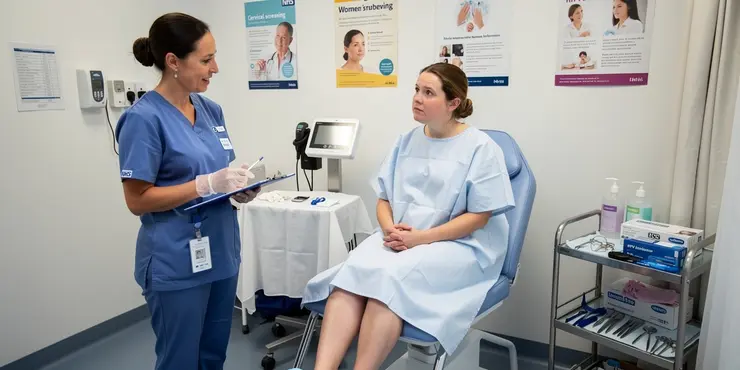
A Pap smear is a quick and simple procedure typically done at a GP surgery or a sexual health clinic. During the test, the patient will be asked to lie on an examination table. A healthcare professional will gently insert a speculum into the vagina to get a good view of the cervix. They will then use a small brush to collect cells from the cervix's surface. The procedure is not generally painful but may cause some discomfort. The collected sample is then sent to a lab to be examined under a microscope for abnormalities.
Understanding the Results
The results of a Pap smear usually take a few weeks to come back. Most Pap smear results are normal, meaning no abnormal cells were found. An unclear or abnormal result does not mean cancer is present but indicates that further testing or monitoring may be needed. Follow-up procedures may include a repeat Pap smear, a more detailed examination like a colposcopy, or treatment to remove abnormal cells. It is crucial to attend follow-up appointments if required.
Conclusion
Regular Pap smears are a vital part of preventive healthcare for women and anyone with a cervix in the UK. By ensuring abnormal cells are detected and treated early, Pap smears play a significant role in reducing the risk of cervical cancer. Individuals are encouraged to take part in the NHS Cervical Screening Programme to maintain their cervical health.
What is a Pap Smear?
A Pap smear is a medical test. It checks for signs of cervical cancer in women. The test looks for unusual cells on the cervix. The cervix is the lower part of the uterus that opens into the vagina. Regular tests are important. They can find changes before they become serious.
The Purpose of a Pap Smear
The main goal of a Pap smear is to stop cervical cancer. It finds unusual cells in the cervix that could become cancer. If these cells are found early, they can be watched or treated. This lowers the risk of cancer. A Pap smear is important for those with a cervix. It often includes a test for HPV, which can cause cervical cancer.
Who Should Have It and When?
In the UK, the NHS offers this test to women and people with a cervix who are 25 to 64 years old. The first letter inviting you for a test comes a little before your 25th birthday. People aged 25 to 49 are tested every three years. People aged 50 to 64 are tested every five years. It's important to go to these tests, even if you feel fine. Cervical cancer might not show signs until it's serious.
The Procedure
A Pap smear is quick and simple. It is done at a doctor’s office or a sexual health clinic. You will lie on a table. The doctor or nurse will gently put a tool called a speculum into your vagina. This gives them a clear view of your cervix. They will use a small brush to collect cells from your cervix. The test is not usually painful, but it might feel a bit uncomfortable. The cells are sent to a lab. There, they are checked for anything unusual.
Understanding the Results
You usually get your Pap smear results after a few weeks. Most results are normal. This means no unusual cells were found. If the result is unclear or shows unusual cells, it does not mean you have cancer. It means more tests or checks might be needed. You might need another Pap smear or a closer look at your cervix, called a colposcopy. It's very important to go to any follow-up appointments.
Conclusion
Regular Pap smears are very important for women and anyone with a cervix in the UK. They help find and treat unusual cells early. This lowers the risk of cervical cancer. It is good to join the NHS Cervical Screening Programme to keep your cervix healthy.
Frequently Asked Questions
A Pap smear, also called a Pap test, is a procedure used to test for cervical cancer in women. It involves collecting cells from your cervix, which is the lower, narrow end of your uterus that's at the top of your vagina.
A Pap smear is important because it can detect precancerous or cancerous cells on the cervix, allowing for early intervention and treatment. Early detection significantly increases the chances of successful treatment.
The frequency of Pap smears depends on age and health history. Generally, women ages 21 to 29 should have a Pap smear every three years, while those 30 to 65 should have one every three to five years depending on medical advice and additional HPV testing.
During a Pap smear, you will lie on an exam table with your feet in stirrups. A healthcare provider will gently insert a speculum into your vagina to get a clear view of the cervix. Then, they will use a small brush or spatula to collect cells from the cervix.
A Pap smear is usually not painful, but it can be uncomfortable. Some women experience mild cramping or pressure during the procedure.
Pap smear results can be normal, unclear, or abnormal. Normal results mean no abnormal cells were found. Unclear results may require additional testing. Abnormal results may indicate changes in cervical cells that need further investigation.
A Pap smear is not specifically designed to detect STIs, but it can sometimes identify infections like HPV (human papillomavirus), which is related to cervical cancer.
A Pap smear tests for abnormal cervical cells that may become cancerous, while an HPV test detects the presence of the human papillomavirus, which can cause these cell changes.
It's generally recommended to avoid sex, douching, or using vaginal medications 48 hours before a Pap smear to ensure accurate results.
Most guidelines suggest starting Pap smear screenings at the age of 21, regardless of sexual activity.
It's best to schedule a Pap smear when you're not menstruating, as menstrual blood can interfere with the results.
To prepare for a Pap smear, avoid intercourse, douching, or using vaginal medicines or spermicidal foams for two to three days before the test.
If your Pap smear results are abnormal, your doctor may recommend additional tests such as a colposcopy, where the cervix is examined more closely, or a biopsy.
Pap smears have minimal risks. There may be slight discomfort, spotting, or bleeding after the procedure, but they are generally very safe.
Advancements in Pap smear testing include the development of liquid-based cytology, which allows for more accurate cell analysis, and co-testing with HPV to increase detection rates.
Pap smear results typically take about one to three weeks to come back from the lab. Your healthcare provider will contact you with the results.
Factors that affect Pap smear accuracy include testing too soon after menstruation, vaginal infections, and not adhering to pre-test recommendations like abstaining from vaginal intercourse.
A liquid-based Pap smear involves collecting cervical cells with a brush and immersing them in a vial of preservative solution, allowing for more accurate analysis by removing mucus and other debris.
A Pap smear is not designed to detect ovarian cancer. It specifically screens for cervical cancer. Other methods, like pelvic examinations and imaging tests, are used to detect ovarian issues.
If you're anxious about a Pap smear, talk with your healthcare provider. They can explain the procedure, answer questions, and help you feel more comfortable. Relaxation techniques can also help reduce anxiety.
A Pap smear, or Pap test, is a way to check if women have cervical cancer. This test takes tiny cells from the cervix. The cervix is the lower part of the womb and is at the top of the vagina.
A Pap smear is a test that helps doctors find bad cells on the cervix. The cervix is inside a woman's body. Finding these bad cells early is very important. It helps doctors treat them, and this can help the woman get better faster.
How often you need a Pap smear test depends on how old you are and your health. Usually, women aged 21 to 29 should have a Pap test every 3 years. Women aged 30 to 65 should have one every 3 to 5 years. Your doctor will tell you what is best for you. They might do another test called an HPV test too.
When you have a Pap smear, you will lie down on a special bed. You put your feet in holders. A doctor will gently put a tool in your vagina. This tool helps the doctor see your cervix better. Then, the doctor will use a small brush or stick to take a little bit of cells from your cervix.
A Pap smear test usually does not hurt, but it can feel a bit uncomfortable. Some women might feel a little cramp or pressure when it happens.
A Pap smear test can show three kinds of results: normal, unclear, or abnormal.
- Normal means everything is okay. No strange cells were found.
- Unclear means the doctor might need to do more tests to find out more.
- Abnormal means some cells look different. The doctor needs to learn more about why they look this way.
If reading is hard, ask someone to help you understand. You can also use a magnifying glass to make the text bigger.
A Pap smear test checks for unusual changes in the cells of the cervix, which is the lower part of the womb. This test is not meant to find infections from STIs (sexually transmitted infections).
But sometimes, a Pap smear can show certain infections, like HPV. HPV is a virus that can cause cervical cancer.
If you want to know more about STIs, it’s a good idea to talk to your doctor. They might suggest an STI test that can better find infections. You can ask someone you trust to go with you to the appointment for support.
A Pap smear is a test to look for bad changes in the cells of the cervix that could turn into cancer.
An HPV test checks for a virus called human papillomavirus. This virus can make the cells change in a bad way.
If you find it hard to read, you could try using audiobooks or text-to-speech tools to read out loud for you. You can also ask someone you trust to help explain things.
Before you have a Pap smear test, it's best not to have sex, use douche, or put medicine in your vagina. Try not to do these things for 2 days before your test. This helps the doctor get the right results.
Doctors say to start Pap smear tests when you turn 21. It doesn't matter if you have had sex or not by then.
It’s a good idea to plan a Pap smear test when you are not on your period. This is because period blood can make it hard to get clear results.
Before you have a Pap smear, try not to do a few things:
Don't have sex, don't use special washes inside your vagina, and don't use vaginal medicines or creams for 2 to 3 days before the test.
If you want, ask someone you trust to help you remember these tips.
If your Pap smear test shows something is not normal, your doctor might want to do more tests. They might look at your cervix more carefully using a tool called a colposcope. They might also take a small piece of tissue from your cervix. This is called a biopsy.
Pap smears are very safe. You might feel a little uncomfortable, and sometimes there can be a tiny bit of bleeding after. But don't worry, because this happens to many people.
Doctors have made Pap smear tests better. Now, they use a liquid to check cells more closely. They also test for HPV to find problems sooner.
It takes 1 to 3 weeks to get your Pap test results. Your doctor will tell you what the results are.
Things that can change how well a Pap smear works:
- Taking the test too soon after your period.
- Having an infection in the vagina.
- Not following the instructions for the test. For example, having sex before the test when you should not.
If you find reading difficult, you can:
- Ask a friend or family member for help.
- Listen to the text read out loud.
- Use pictures or videos to understand better.
A liquid-based Pap test is a way to check the health of the cervix. A doctor uses a small brush to collect cells from the cervix. Then, they put the brush in a special liquid. This helps take away stuff that might make it hard to see the cells clearly. This makes it easier to check the cells properly.
A Pap smear is a test that checks for cancer of the cervix. It does not find cancer of the ovaries. To check the ovaries, doctors use other tests. These can include looking inside the body with special cameras called imaging tests, and doing a pelvic examination.
If you feel worried about a Pap smear, talk to your doctor or nurse. They can tell you what will happen, answer your questions, and help you feel better. You can also try relaxing by taking deep breaths or listening to calm music. These things can help you feel less scared.

Ergsy Search Results
This website offers general information and is not a substitute for professional advice.
Always seek guidance from qualified professionals.
If you have any medical concerns or need urgent help, contact a healthcare professional or emergency services immediately.
Some of this content was generated with AI assistance. We've done our best to keep it accurate, helpful, and human-friendly.
- Ergsy carefully checks the information in the videos we provide here.
- Videos shown by Youtube after a video has completed, have NOT been reviewed by ERGSY.
- To view, click the arrow in centre of video.
- Most of the videos you find here will have subtitles and/or closed captions available.
- You may need to turn these on, and choose your preferred language.
- Go to the video you'd like to watch.
- If closed captions (CC) are available, settings will be visible on the bottom right of the video player.
- To turn on Captions, click settings.
- To turn off Captions, click settings again.