
Speak To An Expert
Get clear, personalised advice for your situation.
Jot down a few questions to make the most of your conversation.
Understanding Your Energy Usage
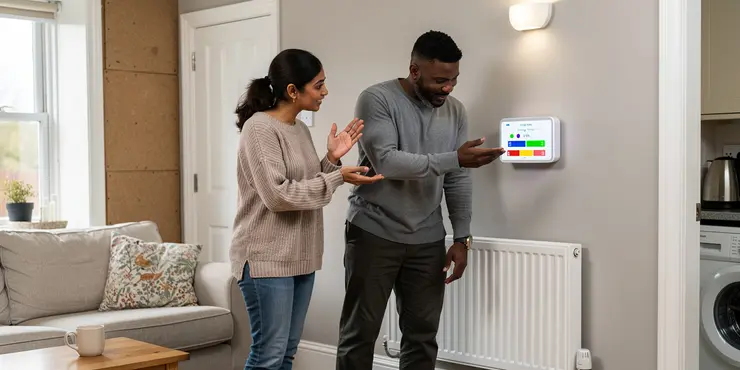
To effectively reduce energy bills, UK consumers should start by understanding their current energy consumption patterns. Smart meters can be an invaluable tool in this regard, as they provide real-time data on energy usage, helping to identify where reductions can be made. This awareness can lead to more informed decisions about energy-saving measures.
Insulation and Home Efficiency
One of the most effective ways to reduce energy bills is by improving home insulation. Properly insulating lofts, walls, and floors can significantly decrease heat loss, leading to lower heating requirements. Draught-proofing windows and doors also contributes to maintaining a consistent indoor temperature, reducing the need for additional heating. Additionally, installing double or triple glazing can further enhance home efficiency.
Adopting Energy-Efficient Appliances
Switching to energy-efficient appliances can have a considerable impact on energy consumption. Look for appliances with high energy-efficiency ratings and consider upgrading old household devices to more modern, energy-saving models. Even small changes, like replacing incandescent bulbs with LED lighting, can lead to noticeable savings over time.
Switching Energy Suppliers
Consumers should regularly compare energy tariffs to ensure they are getting the best deal. Switching suppliers can often lead to significant savings, especially if you've been on the same tariff for an extended period. Sites like Ofgem provide helpful comparisons to assist in finding competitive rates that best suit household needs.
Smart Heating Solutions
Implementing smart heating solutions, such as programmable thermostats or smart heating controls, allows consumers to adjust heating schedules according to their routines. This ensures that no energy is wasted heating an empty home and can be optimized to reduce unnecessary consumption. Maintaining a moderate thermostat setting can also lead to savings without compromising comfort.
Embracing Renewable Energy
Installing renewable energy systems, such as solar panels, can be an effective long-term strategy for reducing electricity bills. Although the initial investment can be significant, government incentives and schemes can alleviate upfront costs. Over time, generating your own electricity can result in substantial reduction of energy costs.
Conscious Energy Use
Finally, being mindful of everyday energy use can have an immediate impact on billing. Simple habits such as turning off lights when leaving a room, unplugging electronics when not in use, and using cold water settings for laundry can contribute to a consistent reduction in energy consumption.
Understanding Your Energy Usage
To save money on energy bills, it's important to know how much energy you use now. A smart meter is a helpful tool. It shows how much energy you are using in real-time. This helps you see where you can save energy.
Insulation and Home Efficiency
Keeping your home warm is a great way to save on energy bills. Insulation in the loft, walls, and floors helps keep the heat in. Fixing draughty windows and doors can also keep your home warm. Using double or triple glazed windows can save even more energy.
Adopting Energy-Efficient Appliances
Using less electricity with energy-efficient appliances is a good idea. Try to buy appliances with high energy ratings. Changing old devices to new ones that use less electricity can help. For example, use LED lights instead of old bulbs to save money.
Switching Energy Suppliers
To save money, check if you can get a better deal from a different energy supplier. Compare prices regularly. You might save a lot, especially if you have not changed your supplier for a long time. Websites like Ofgem can help you compare.
Smart Heating Solutions
Smart heating tools help you control your home heating. You can set the heating to match your daily routine, so you do not waste energy when no one is home. Keeping the thermostat on a moderate setting also saves energy.
Embracing Renewable Energy
Solar panels can help reduce your electricity bills in the long term. They can be expensive at first, but there are government help schemes. Over time, making your own electricity can save a lot of money.
Conscious Energy Use
Be careful with how you use energy every day. Easy things like turning off lights when you leave a room and unplugging electronics save energy. Use cold water for laundry to save more.
Frequently Asked Questions
Energy bills reduction measures are actions, upgrades, and behavior changes designed to lower the amount of electricity, gas, or other energy a home or business uses, which can reduce monthly utility costs.
Energy bills reduction measures lower monthly utility costs by reducing wasted energy, improving efficiency, and helping appliances, heating, cooling, lighting, and insulation use less power or fuel to provide the same level of comfort.
Eligibility for energy bills reduction measures depends on the specific program, but it may include homeowners, renters, landlords, tenants, low-income households, seniors, or people living in homes with poor energy efficiency.
Some of the most effective energy bills reduction measures for homes include improving insulation, sealing air leaks, upgrading to efficient heating and cooling systems, using LED lighting, and replacing old appliances with energy-efficient models.
Savings from energy bills reduction measures vary widely based on home size, energy prices, climate, and the specific upgrades made, but many households can see noticeable reductions in annual utility bills after efficiency improvements.
Some energy bills reduction measures require upfront costs, such as new insulation or appliances, while others are low-cost or no-cost actions like adjusting thermostat settings, switching to LEDs, or reducing standby power use.
Yes, many governments and utility providers offer programs for energy bills reduction measures, including rebates, grants, tax incentives, low-interest loans, and free or discounted home energy assessments.
To apply for energy bills reduction measures, you usually need to check program eligibility, gather required documents, complete an application with the relevant utility or agency, and follow any inspection or approval steps.
Renters can often use energy bills reduction measures such as LED bulbs, smart power strips, draft stoppers, efficient showerheads, thermostat adjustments, and requesting landlord-approved upgrades like better insulation or windows.
Landlords can implement energy bills reduction measures such as adding insulation, sealing leaks, upgrading HVAC systems, installing efficient windows, replacing lighting, and improving building controls to reduce energy use in rental properties.
Yes, many energy bills reduction measures improve comfort by reducing drafts, stabilizing indoor temperatures, improving air quality, and making heating and cooling systems work more effectively.
The best energy bills reduction measures for heating and cooling often include sealing air leaks, adding insulation, maintaining HVAC equipment, using programmable thermostats, and upgrading to high-efficiency systems.
The best energy bills reduction measures for lighting include switching to LED bulbs, turning off lights when not needed, using daylight effectively, and installing motion sensors or timers in low-use areas.
Smart thermostats help energy bills reduction measures by automatically adjusting heating and cooling based on schedules, occupancy, and temperature preferences, which can reduce wasted energy when no one is home.
Older homes often benefit most from energy bills reduction measures such as air sealing, attic and wall insulation, window and door upgrades, duct sealing, and heating system improvements.
Yes, energy bills reduction measures can help the environment by lowering energy demand, which may reduce greenhouse gas emissions and the use of fossil fuels for electricity and heating.
The payback period for energy bills reduction measures depends on the cost of the upgrade and the amount of energy saved, with some measures paying back in months and others taking several years.
Documents needed for energy bills reduction measures programs often include proof of identity, proof of residence, utility bills, income verification, and sometimes landlord approval or property information.
Energy audits support energy bills reduction measures by identifying where energy is being wasted, estimating potential savings, and prioritizing the most cost-effective improvements for a home or building.
Common mistakes with energy bills reduction measures include skipping a home assessment, ignoring air leaks, buying inefficient appliances, setting extreme thermostat temperatures, and failing to maintain equipment regularly.

Ergsy Search Results
This website offers general information and is not a substitute for professional advice.
Always seek guidance from qualified professionals.
If you have any medical concerns or need urgent help, contact a healthcare professional or emergency services immediately.
Some of this content was generated with AI assistance. We've done our best to keep it accurate, helpful, and human-friendly.
- Ergsy carefully checks the information in the videos we provide here.
- Videos shown by Youtube after a video has completed, have NOT been reviewed by ERGSY.
- To view, click the arrow in centre of video.
- Most of the videos you find here will have subtitles and/or closed captions available.
- You may need to turn these on, and choose your preferred language.
- Go to the video you'd like to watch.
- If closed captions (CC) are available, settings will be visible on the bottom right of the video player.
- To turn on Captions, click settings.
- To turn off Captions, click settings again.