
Get Answers
How Zika is prevented in the UK
Zika virus is mainly spread by mosquito bites in countries where the virus is present. The UK does not have the type of mosquito that spreads Zika established here, so the risk of local transmission is very low.
Most measures in the UK focus on preventing imported cases from becoming a public health issue. This includes advice for travellers, clinical awareness among healthcare professionals, and surveillance to spot any possible risks early.
Travel advice and personal protection
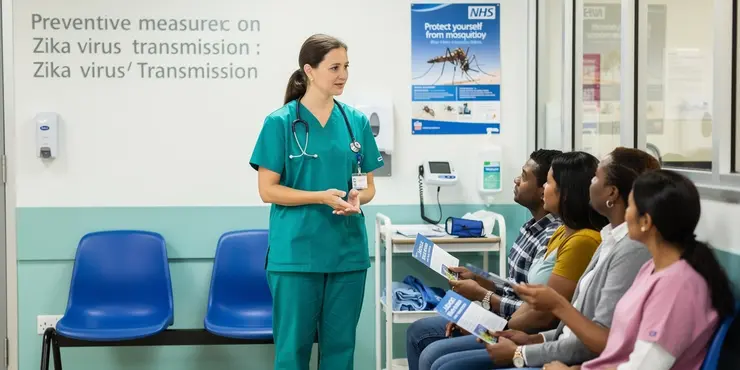
People visiting areas where Zika is present are advised to protect themselves from mosquito bites. Common steps include using insect repellent, covering arms and legs, and sleeping under mosquito nets or in air-conditioned accommodation.
Travellers are also encouraged to follow official foreign travel health advice before they go. This helps them understand the current risk in their destination and what precautions are most suitable.
Advice for pregnancy and conception
Zika infection during pregnancy can cause serious birth defects, so additional precautions are recommended for pregnant people. UK health advice stresses avoiding travel to high-risk areas where possible, especially when outbreaks are active.
If travel cannot be avoided, extra care is needed to prevent mosquito bites and to seek medical advice before and after the trip. Couples who have travelled to affected areas may also be advised to wait before trying to conceive, depending on current guidance.
Monitoring and public health response
The UK Health Security Agency monitors Zika activity and assesses any imported cases reported in the UK. This helps public health teams understand whether there is any chance of local spread and ensures a rapid response if needed.
Doctors are asked to consider Zika in people who have recently travelled to affected countries and who have symptoms such as rash, fever, or conjunctivitis. Testing and reporting help public health authorities keep track of cases and provide appropriate advice.
Blood safety and mosquito control
Blood services use precautionary measures to reduce the chance of Zika being spread through blood donation. These measures may include travel-related deferral periods for donors who have visited areas with Zika transmission.
Local mosquito control is also important in reducing any wider risk from mosquito-borne diseases. Although Zika is not currently spreading in the UK, environmental monitoring and pest control support early detection of unusual mosquito activity.
Staying informed
The most useful protection for the public is to stay up to date with official UK travel and health guidance. Advice can change if outbreaks occur in particular countries or if new scientific evidence emerges.
People who are pregnant, planning a pregnancy, or returning from a Zika-risk area should speak to a GP, midwife, or travel health clinic. Early advice can help reduce risk and give clear next steps.
Frequently Asked Questions
Zika virus transmission prevention measures UK for travelers visiting areas with Zika risk include avoiding mosquito bites, using insect repellent, wearing long sleeves and trousers, sleeping in screened or air-conditioned rooms, and following current UK travel health advice before and during the trip.
Zika virus transmission prevention measures UK reduce mosquito bite risk by encouraging the use of EPA-registered or recommended repellents, permethrin-treated clothing, bed nets where needed, and practical steps such as keeping skin covered and avoiding peak mosquito activity when possible.
Zika virus transmission prevention measures UK are especially important for pregnant people because Zika infection during pregnancy can cause serious birth defects. Preventive steps help reduce exposure to infected mosquitoes and reduce the risk of sexual transmission from an infected partner.
Zika virus transmission prevention measures UK include advice to use condoms or avoid sex for the recommended period after travel to a risk area, particularly if one partner is pregnant or planning pregnancy, because Zika can be transmitted sexually.
Zika virus transmission prevention measures UK for people returning from risk areas include preventing mosquito bites for a period after return, using condoms or avoiding sex as advised, and seeking medical advice if symptoms develop or pregnancy is involved.
Zika virus transmission prevention measures UK at home include removing standing water, using screens on windows and doors, keeping doors closed, and using household insect control measures to reduce the chance of mosquitoes breeding near the home.
Zika virus transmission prevention measures UK protect babies and children by reducing mosquito exposure with appropriate clothing, nets, repellents suitable for age, and by avoiding travel to areas with active Zika transmission when possible.
Zika virus transmission prevention measures UK generally recommend using insect repellents that contain effective active ingredients such as DEET, picaridin, or IR3535, following product instructions carefully and using age-appropriate guidance for children and pregnancy.
Zika virus transmission prevention measures UK relate to travel plans by encouraging people to check destination-specific health advice before booking or departing, especially if pregnant, trying to conceive, or traveling with someone who is pregnant.
Zika virus transmission prevention measures UK include wearing long, loose-fitting, light-coloured clothing that covers arms and legs, which helps reduce mosquito bites when traveling or living in areas where mosquitoes may transmit infection.
Zika virus transmission prevention measures UK address conception planning by advising couples to consider delaying pregnancy after possible exposure to Zika and to follow current UK health guidance on waiting periods after travel or symptoms.
NHS users should know that Zika virus transmission prevention measures UK focus on preventing mosquito bites, reducing sexual transmission, and seeking professional medical advice if there is travel exposure, pregnancy, or symptoms suggestive of infection.
Zika virus transmission prevention measures UK help during summer travel by reminding travelers that mosquitoes can be active in warm climates, so preventive steps such as repellents, clothing, and screened accommodation remain important even on short trips.
Zika virus transmission prevention measures UK become especially relevant after travel if someone develops fever, rash, joint pain, or conjunctivitis, because these symptoms can be consistent with Zika infection and should prompt medical advice.
Zika virus transmission prevention measures UK reduce spread by limiting mosquito bites after exposure, using condoms or abstaining from sex for the recommended time, and following medical guidance if infection is suspected.
Zika virus transmission prevention measures UK advise people with weakened immune systems to be especially careful with mosquito avoidance, travel planning, and medical consultation, because preventing infection is important and symptoms may need prompt assessment.
Zika virus transmission prevention measures UK in hotels include choosing rooms with air conditioning or intact screens, using mosquito nets if needed, keeping doors and windows closed, and using repellent before going outdoors.
Public health advice plays a central role in Zika virus transmission prevention measures UK by providing up-to-date guidance on affected destinations, pregnancy precautions, sexual transmission prevention, and steps to take after exposure or symptoms.
Zika virus transmission prevention measures UK for people trying to conceive include extra caution about travel to Zika-affected areas, avoiding mosquito bites, using condoms after possible exposure, and following current advice on delaying conception if recommended.
People can find reliable information about Zika virus transmission prevention measures UK from the NHS, UK government travel health pages, sexual health services, and healthcare professionals who can give advice based on travel destination, pregnancy, and personal risk.

Ergsy Search Results
This website offers general information and is not a substitute for professional advice.
Always seek guidance from qualified professionals.
If you have any medical concerns or need urgent help, contact a healthcare professional or emergency services immediately.
Some of this content was generated with AI assistance. We've done our best to keep it accurate, helpful, and human-friendly.
- Ergsy carefully checks the information in the videos we provide here.
- Videos shown by Youtube after a video has completed, have NOT been reviewed by ERGSY.
- To view, click the arrow in centre of video.
- Most of the videos you find here will have subtitles and/or closed captions available.
- You may need to turn these on, and choose your preferred language.
- Go to the video you'd like to watch.
- If closed captions (CC) are available, settings will be visible on the bottom right of the video player.
- To turn on Captions, click settings.
- To turn off Captions, click settings again.