
Get Answers
Introduction to Defibrillator Maintenance
Defibrillators are vital life-saving devices used to deliver a dose of electric current to the heart in cases of life-threatening cardiac arrhythmias. Ensuring that these devices are functioning correctly is crucial, as any malfunction can have severe consequences. In the UK, there are guidelines and best practices for maintaining defibrillators, whether they are installed in public places or used by healthcare professionals.
Regular Inspection
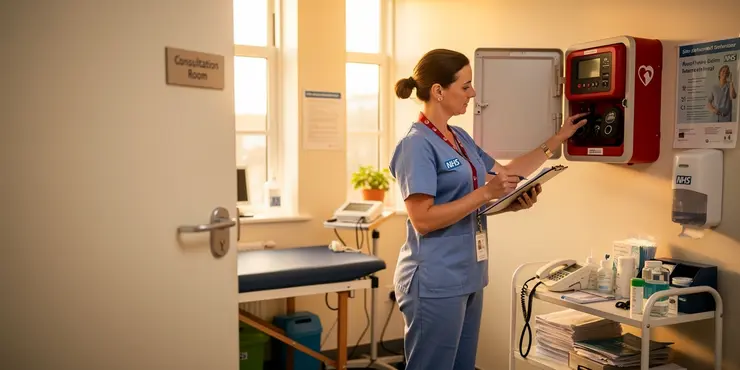
Regular inspection is a fundamental part of defibrillator maintenance. It is recommended that the device be visually inspected at least once a month. The inspection should check for any signs of physical damage, ensure all components are present, and confirm that the defibrillator is clean and free from dust and moisture. Many defibrillators are equipped with self-testing and status indicators to help with routine inspections. However, manual checks are still essential to identify any issues the self-tests might miss.
Battery Checks
The battery is a critical component of a defibrillator. It is important to regularly check the battery's status to ensure it has sufficient charge to operate effectively in an emergency. Most modern defibrillators have a battery status indicator, and some perform automatic self-tests to check battery levels. Batteries generally need replacing every two to five years, but this can depend on the specific model and how often the device is used. It is crucial to have a replacement battery readily available in case of failure.
Electrode Pad Replacement
Electrode pads are essential for delivering the electrical shock from a defibrillator. These pads have a shelf life, usually between 18 and 24 months. As such, they need to be replaced when they reach their expiry date or if they are used. Expiring or already used pads can inhibit the device's effectiveness and potentially harm the patient, so regular checks and timely replacement are necessary.
Software Updates and Calibration
Many modern defibrillators come with software components that may require regular updates and calibration. Keeping the software up-to-date is essential for ensuring the device's reliability and efficiency. Manufacturers often provide guidance on how and when to perform software updates. Calibration might be needed to ensure that the defibrillator's readings are accurate, depending on the manufacturer's instructions and device specifications.
Compliance with Legal and Safety Standards
In addition to routine maintenance, defibrillators must comply with UK legal and safety standards. This compliance often requires maintaining detailed maintenance records, conducting periodic checks by qualified personnel, and ensuring that staff are trained in using and maintaining the device. Proper documentation is critical, as it helps demonstrate compliance with regulations and ensures accountability in case of an emergency.
Conclusion
Maintaining defibrillators is a crucial responsibility that involves regular inspections, battery and electrode pad checks, software updates, and compliance with legal standards. By following these maintenance practices, organisations and individuals in the UK can ensure that their defibrillators are always ready to save lives when needed.
Introduction to Defibrillator Maintenance
Defibrillators are very important machines that can save someone's life. They give an electric current to the heart if it is not working properly. It is really important to make sure these machines work well. This is because if they do not work, people can be in danger. In the UK, there are rules for taking care of defibrillators. These rules are for devices in public places or used by healthcare workers.
Regular Inspection
Checking defibrillators often is very important. You should look at them at least once a month. When you check the defibrillator, look for any damage, make sure all parts are there, and see that it is clean and dry. Many defibrillators have tests inside them that help check if they are working. But, it is still important to check them yourself to catch any problems the machine might miss.
Battery Checks
The battery in a defibrillator is very important. You need to check that it has enough power to work in an emergency. Many new defibrillators show you if the battery is okay, and some can test it by themselves. Batteries usually need changing every two to five years. This depends on the defibrillator and how much it is used. Always have a new battery ready in case the old one stops working.
Electrode Pad Replacement
Electrode pads are needed for giving the electric shock from a defibrillator. These pads do not last forever. They usually need to be changed every 18 to 24 months. You should replace them when they get too old or after they are used once. If pads are old or already used, they might not work well and could harm the patient, so it is important to change them regularly.
Software Updates and Calibration
Many new defibrillators have software that might need updating regularly. Keeping this software up-to-date is important to ensure the defibrillator works well. The manufacturer will tell you how and when to update the software. Calibration is sometimes needed to ensure the defibrillator gives the right information, based on the company's instructions.
Compliance with Legal and Safety Standards
Defibrillators need to follow UK laws and safety rules, as well as regular maintenance. This means you need to keep records of all the checks and have them looked at by trained people. It is also important to make sure that people know how to use and take care of the machines. Writing everything down helps show that you are following the rules and are ready for emergencies.
Conclusion
Taking care of defibrillators is important. It involves regular checks, looking after batteries and pads, updating software, and following the law. By doing these things, people and organisations in the UK can make sure their defibrillators are ready to save lives.
Frequently Asked Questions
Regular maintenance of defibrillators ensures they are functioning properly and are ready for use in an emergency.
Defibrillators should be inspected regularly, typically on a monthly basis, but follow the manufacturer's guidelines for specific recommendations.
Maintenance should be performed by trained personnel or a qualified service provider familiar with the specific model of defibrillator.
Battery levels, electrode pads, cables, and overall device integrity should be checked regularly.
Battery levels can be checked via the device's self-test feature or manually, depending on the model's instructions.
If the battery is low, it should be replaced immediately to ensure the device is ready for use.
Battery replacement frequency depends on the manufacturer's guidelines but typically every 2-5 years or after use.
Electrode pads should be checked for expiry dates, intact packaging, and replaced if expired or damaged.
Most modern defibrillators have an automatic self-test feature that checks the device's functionality. This should be activated regularly.
Documentation should include date of check, any issues found, actions taken, and who performed the inspection.
Ensure routine checks are up-to-date, batteries and pads are replaced as needed, and all parts are free of damage.
Extreme temperatures, humidity, and dust can affect a defibrillator's performance, so they should be stored accordingly.
They should be stored in a temperature-controlled environment, away from dust and moisture, and easily accessible.
Service contracts can provide regular maintenance and inspection by qualified professionals, ensuring the device's reliability.
A professional will thoroughly inspect, test, and, if necessary, repair or replace parts of the defibrillator.
Consult the manufacturer's guidelines for software update protocols or have a professional service provider perform updates.
Registration ensures you receive updates, safety notices, and recalls from the manufacturer.
If a defibrillator fails inspection, it should be removed from service, repaired, or replaced immediately.
Some defibrillators can be connected to monitoring systems that provide alerts for maintenance or issues.
Contact a service provider or the manufacturer for troubleshooting and repair immediately if a malfunction is detected.
Taking care of defibrillators is important. It helps make sure they work well and are ready if someone needs help in an emergency.
Check defibrillators often, usually once a month. Always look at the manufacturer's instructions for more advice.
Only trained people or special helpers should check and fix the defibrillator. They need to know how this machine works.
It is important to check some things often: the battery power, the sticky pads, the wires, and to make sure the whole device is working well.
You can check how much battery is left by using the device's self-test feature. This is like a special button or tool on your device. You can also check it yourself by looking at the instructions for your device model.
If the battery is low, change it right away. This keeps the device ready to use.
Batteries need to be changed every 2 to 5 years. Check what the maker of the battery says. You might need to change them sooner if you use them a lot.
Check the electrode pads to make sure they are not out of date. Look at the package to see if it is sealed and not ripped. If the pads are old or the package is broken, get new ones.
Most new defibrillators can check if they are working by themselves. They do this with a special test. This test should happen often.
Write down the date you checked. Say if you found any problems. Write what you did about the problems. Say who checked everything.
Check that everything is working well. Make sure the batteries and pads are changed when needed. Look for any broken parts and fix them.
Very hot, very cold, wet air, and dust can stop a heart machine working well. Keep it in the right place to make sure it works.
Keep them in a cool, clean place where it’s not too hot or too cold. Make sure there is no dust or wetness. Make sure you can get to them easily when you need them.
Service contracts can help you. They give you regular check-ups by experts to keep your device working well.
A trained person will look closely at the defibrillator. They will check it, test it, and fix it if it needs fixing. If any parts are broken, they will change them.
Check the instructions from the company that made the software to see how to update it. You can also ask a professional to help you update it.
Signing up helps you get news, safety messages, and fixes from the maker.
If a defibrillator does not pass its check, it should be taken away, fixed, or swapped right away.
Some defibrillators can be hooked up to special systems. These systems tell us if the defibrillator needs fixing or if there is a problem.
If something is not working right, ask for help. Call the company who made it or the people who take care of it. They can fix it for you.

Ergsy Search Results
This website offers general information and is not a substitute for professional advice.
Always seek guidance from qualified professionals.
If you have any medical concerns or need urgent help, contact a healthcare professional or emergency services immediately.
Some of this content was generated with AI assistance. We've done our best to keep it accurate, helpful, and human-friendly.
- Ergsy carefully checks the information in the videos we provide here.
- Videos shown by Youtube after a video has completed, have NOT been reviewed by ERGSY.
- To view, click the arrow in centre of video.
- Most of the videos you find here will have subtitles and/or closed captions available.
- You may need to turn these on, and choose your preferred language.
- Go to the video you'd like to watch.
- If closed captions (CC) are available, settings will be visible on the bottom right of the video player.
- To turn on Captions, click settings.
- To turn off Captions, click settings again.