
Get Answers
Supporting daily routines
Keeping a regular routine can make life feel more predictable for someone with dementia. Simple habits such as waking up, eating meals, and going to bed at around the same time each day may reduce confusion and anxiety.
It can help to keep familiar items in the same place, such as keys, glasses, and a wallet. Clear labelling around the home can also make it easier to find things and stay independent for longer.
Staying active and mobile
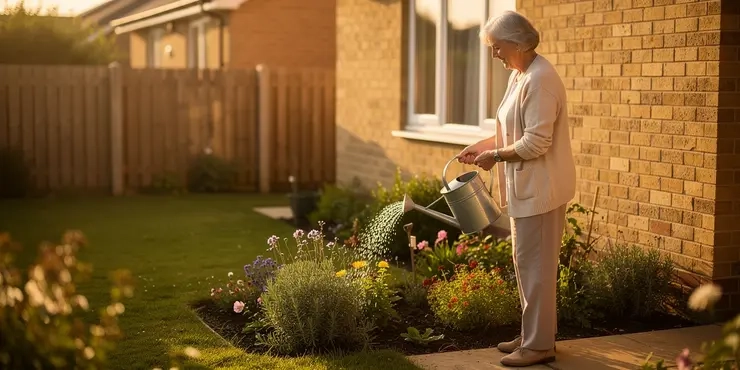
Regular physical activity can support balance, strength, and general wellbeing. In the UK, this might include walking, gardening, dancing, gentle swimming, or chair-based exercises.
Exercise can also improve mood and help with sleep. The key is to choose activities that feel safe, enjoyable, and realistic for the person’s ability and energy levels.
Eating well and drinking enough
A healthy, varied diet can help support brain and body health. Meals should be balanced, with plenty of fruit, vegetables, wholegrains, protein, and regular drinks throughout the day.
Some people with dementia may forget to eat or drink, so it can help to offer smaller, more frequent meals. Easy-to-eat foods and visible reminders, such as a filled glass nearby, may make things simpler.
Making the home easier to navigate
A calm, tidy home can reduce stress and lower the risk of accidents. Good lighting, fewer trip hazards, and clear walking spaces can make moving around safer.
Helpful changes might include using contrasting colours for doors, steps, and toilet seats. A clock, calendar, and simple signs can also support orientation and day-to-day confidence.
Supporting memory and mental wellbeing
People with dementia often benefit from activities that feel familiar and meaningful. Looking through old photos, listening to music, doing puzzles, or reading familiar material can provide comfort and stimulation.
It is also important to keep communication simple and reassuring. Speaking slowly, using short sentences, and giving time to respond can make conversations less frustrating.
Getting the right help early
It can be useful to plan ahead and put support in place early. This may include speaking to the GP, arranging a care assessment through the local council, or checking whether home adaptations are needed.
In the UK, carers can also seek support from organisations such as Alzheimer’s Society or Age UK. Looking after the carer’s wellbeing matters too, as rest and support can make it easier to provide good care over time.
Frequently Asked Questions
Dementia lifestyle changes are practical adjustments to daily routines, habits, and the home environment that can help support safety, comfort, independence, and quality of life. They are important because they can reduce stress, improve routine, and make daily activities easier for the person living with dementia and their caregivers.
Helpful dementia lifestyle changes for memory and routine include keeping a regular schedule, using written reminders, labeling important items, simplifying tasks, and creating consistent places for frequently used objects. Predictable routines can reduce confusion and make the day feel more manageable.
Dementia lifestyle changes can improve home safety by removing tripping hazards, improving lighting, locking away dangerous items, using stove and appliance safety devices, and installing grab bars or handrails. These changes can lower the risk of falls, injuries, and accidents.
Diet-related dementia lifestyle changes often focus on balanced meals with fruits, vegetables, whole grains, lean proteins, and healthy fats, along with enough fluids throughout the day. Regular mealtimes, easy-to-eat foods, and monitoring appetite can also help maintain nutrition.
Exercise-related dementia lifestyle changes can include walking, stretching, chair exercises, gentle strength training, or other safe movement the person enjoys. Regular physical activity may support mobility, mood, sleep, and overall health when adapted to the person's abilities.
Useful sleep-related dementia lifestyle changes include maintaining a regular bedtime, limiting naps late in the day, reducing caffeine later in the day, keeping the bedroom quiet and comfortable, and exposing the person to natural daylight. Good sleep routines may help reduce nighttime restlessness.
Dementia lifestyle changes can support communication by using short, simple sentences, asking one question at a time, reducing background noise, maintaining eye contact, and giving extra time for responses. Calm, respectful communication can reduce frustration and improve understanding.
Social dementia lifestyle changes may include regular visits with family or friends, participation in adult day programs, phone or video calls, and safe community activities. Staying socially connected can help reduce loneliness and support emotional well-being.
Dementia lifestyle changes can help with agitation or anxiety by keeping routines predictable, avoiding overstimulation, using calming music or quiet activities, and identifying triggers such as hunger, pain, or fatigue. A calm environment and reassurance can often make symptoms easier to manage.
Caregiver-focused dementia lifestyle changes include sharing responsibilities, setting realistic expectations, using respite care when possible, and maintaining the caregiver's own sleep, meals, exercise, and support network. Caregiver well-being is essential for sustainable care.
Dementia lifestyle changes may involve limiting or stopping driving when safety becomes a concern and shifting to alternative transportation such as family rides, community transport, rideshares, or delivery services. Planning ahead can help preserve independence while reducing risk.
Useful home organization dementia lifestyle changes include reducing clutter, keeping frequently used items visible and in the same place, using clear labels, and simplifying closets and drawers. A more organized environment can make navigation and daily tasks easier.
Dementia lifestyle changes for hygiene can include setting a regular bathing schedule, preparing supplies in advance, using warm and comfortable settings, choosing simple clothing, and offering step-by-step prompts. These adjustments can make personal care less stressful.
Medication-related dementia lifestyle changes include using pill organizers, alarms, written schedules, and caregiver oversight when needed. Keeping an up-to-date medication list and reviewing medicines with a clinician can also help reduce missed doses and interactions.
Dementia lifestyle changes to support hydration include offering drinks regularly, keeping beverages visible and easy to reach, using preferred cups, and providing foods with high water content. Small, frequent reminders may help if the person forgets to drink.
Helpful dementia lifestyle changes can include music, simple crafts, folding laundry, gardening, walking, or looking through photo albums. Familiar and enjoyable activities can support mood, engagement, and a sense of purpose.
Nighttime safety dementia lifestyle changes include using motion lights, keeping pathways clear, securing exits if wandering is a risk, and placing important items within reach. These steps can reduce confusion and help prevent falls overnight.
Planning-related dementia lifestyle changes may include discussing legal and financial plans early, organizing important documents, identifying care preferences, and reviewing future support needs. Early planning can make future decisions easier and less stressful.
As dementia progresses, dementia lifestyle changes often need to become simpler, more structured, and more supportive. Tasks may need to be broken into smaller steps, safety measures increased, and caregiving support expanded to match changing needs.
Professional help should be sought for dementia lifestyle changes if there are repeated falls, major sleep problems, unsafe wandering, severe behavior changes, poor eating or drinking, caregiver burnout, or difficulty managing daily care. A healthcare professional can help tailor strategies to the person's needs.

Ergsy Search Results
This website offers general information and is not a substitute for professional advice.
Always seek guidance from qualified professionals.
If you have any medical concerns or need urgent help, contact a healthcare professional or emergency services immediately.
Some of this content was generated with AI assistance. We've done our best to keep it accurate, helpful, and human-friendly.
- Ergsy carefully checks the information in the videos we provide here.
- Videos shown by Youtube after a video has completed, have NOT been reviewed by ERGSY.
- To view, click the arrow in centre of video.
- Most of the videos you find here will have subtitles and/or closed captions available.
- You may need to turn these on, and choose your preferred language.
- Go to the video you'd like to watch.
- If closed captions (CC) are available, settings will be visible on the bottom right of the video player.
- To turn on Captions, click settings.
- To turn off Captions, click settings again.