
Get Answers
Visual Checks and Surface Condition
One of the main inspection tasks in solar panel maintenance is a visual check of each panel’s surface. This includes looking for cracks, chips, discolouration, or any signs of physical damage that could affect performance. Dirt build-up, bird droppings, and moss should also be noted, as they can reduce the amount of sunlight reaching the cells.
Inspectors will usually check that the glass is intact and that there are no signs of delamination or water ingress. Even small defects can develop into bigger problems if left untreated. Regular visual inspections help identify issues early and keep the system working efficiently.
Mounting, Roof and Structural Components
Solar panel maintenance requirements also include checking the mounting system and roof fixings. This means looking at brackets, rails, clamps, and anchor points to make sure everything remains secure. In the UK, where wind and heavy rain are common, loose fittings can create safety risks and reduce system stability.
Inspectors may also examine the roof area around the panels for cracked tiles, corrosion, or signs of movement. Any damage to the roof structure can affect both the solar installation and the building itself. A stable mounting system is essential for safe long-term operation.
Electrical Safety and Wiring
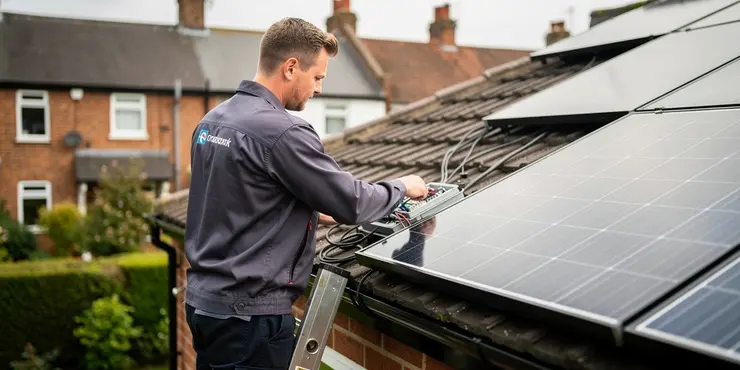
Another important inspection task is checking the electrical components. This includes cabling, connectors, junction boxes, isolators, and inverters where accessible. Inspectors look for loose connections, wear, overheating, or signs of moisture damage.
Cables should be properly routed and protected from abrasion, pests, or weather exposure. Any damaged wiring can lead to reduced output or safety hazards. Electrical checks help ensure the system remains compliant and operates reliably.
Performance and Monitoring Checks
Maintenance inspections often involve reviewing system performance data. This means comparing expected output with actual generation to spot any drop in efficiency. A sudden fall in performance may indicate shading, a faulty panel, or an inverter issue.
In many UK installations, monitoring software is used to track trends over time. Inspectors may use this information alongside on-site checks to identify hidden faults. Regular performance reviews make it easier to maintain consistent energy production.
Safety, Access and Cleanliness
Inspection tasks also include checking that access routes and safety equipment are in good condition. This is particularly important for rooftop systems, where safe access is needed for any future maintenance work. Walkways, ladders, and fall-protection measures should be reviewed where relevant.
Cleanliness is another part of the process, especially in areas affected by pollution, trees, or agricultural dust. While cleaning is not always required at every inspection, identifying excessive dirt or debris is important. Keeping panels clear helps maintain output and supports the overall lifespan of the system.
Frequently Asked Questions
Solar panel maintenance inspection tasks are the routine checks and service steps used to verify that a solar energy system is operating safely, efficiently, and without visible defects. They typically include visual inspections, cleaning assessments, electrical checks, mounting verification, and performance review.
Solar panel maintenance inspection tasks are important because they help detect dirt buildup, damage, loose connections, corrosion, shading issues, and performance losses before they become costly problems. Regular inspections also support system safety and long-term energy output.
The ideal frequency for solar panel maintenance inspection tasks depends on the system location, weather, and manufacturer guidance, but many systems are inspected at least once or twice a year. More frequent inspections may be needed in dusty, coastal, snowy, or storm-prone areas.
Visual checks in solar panel maintenance inspection tasks usually include looking for cracked modules, broken glass, discoloration, loose wiring, debris buildup, bird nests, corrosion, and damaged racking. Inspectors also check for any signs of water intrusion or physical wear.
Solar panel maintenance inspection tasks help identify dirty panels by checking for dust, pollen, bird droppings, leaves, and other debris that can block sunlight. Inspectors compare panel surfaces and, when needed, review output data to confirm whether cleaning is necessary.
Electrical checks in solar panel maintenance inspection tasks can include inspecting wiring, connectors, junction boxes, grounding, inverter indicators, and protection devices. These checks help find loose connections, overheating, insulation damage, or other faults that could reduce performance or create safety risks.
Solar panel maintenance inspection tasks can detect hot spots by using thermal imaging or by checking for abnormal temperature patterns on modules and connections. Hot spots may indicate cell damage, shading problems, poor connections, or internal defects that require repair.
During solar panel maintenance inspection tasks, inspectors check racking, clamps, bolts, rails, flashings, and roof attachments. They look for looseness, rust, shifting, and other signs that the panels are not securely mounted.
Solar panel maintenance inspection tasks help with inverter problems by reviewing warning lights, error codes, output readings, cooling fans, vents, and connection points. This can reveal overheating, communication faults, or system shutdown issues that affect energy production.
Safety checks in solar panel maintenance inspection tasks include confirming proper grounding, checking for exposed wires, verifying secure access points, looking for fire hazards, and ensuring equipment labels are intact. These checks help reduce the risk of electrical shock, fire, and structural problems.
Solar panel maintenance inspection tasks address shading issues by identifying new obstructions such as tree growth, antennas, vents, or nearby construction. Inspectors evaluate whether shading is reducing output and recommend trimming or repositioning when possible.
Performance monitoring is a key part of solar panel maintenance inspection tasks because it compares expected output with actual production. Sudden drops in energy generation can indicate soiling, equipment faults, shading, or component failure.
Solar panel maintenance inspection tasks handle weather damage by checking for hail impacts, wind-lifted panels, water intrusion, snow load effects, and storm-related debris. Inspectors document any damage and determine whether repairs or replacements are needed.
Cleaning-related steps in solar panel maintenance inspection tasks include evaluating whether panels need washing, identifying safe cleaning methods, and checking for residue that could affect performance. The goal is to remove buildup without scratching surfaces or damaging seals.
Solar panel maintenance inspection tasks check for corrosion by examining metal frames, fasteners, connectors, and junction boxes for rust, oxidation, or white residue. Corrosion can weaken hardware and interfere with electrical conductivity over time.
Documentation created during solar panel maintenance inspection tasks usually includes inspection dates, observed issues, photos, test results, maintenance actions, and recommendations. Good records help track system health and plan future service.
Some basic solar panel maintenance inspection tasks can be done by homeowners, such as visual checks from the ground and monitoring system output. However, electrical inspections, roof work, and repairs should generally be handled by qualified professionals for safety reasons.
Common signs that solar panel maintenance inspection tasks are overdue include lower-than-normal energy production, visible dirt, warning lights, damaged panels, loose wiring, or repeated inverter alerts. In many cases, these signs mean the system needs prompt attention.
Solar panel maintenance inspection tasks improve system lifespan by finding small issues early, preventing damage from worsening, and keeping components clean and secure. Regular care helps the system operate efficiently for longer and reduces the chance of major failures.
A professional solar panel maintenance inspection tasks checklist should include visual module inspection, cleaning review, electrical connection checks, inverter review, mounting hardware inspection, grounding verification, shading assessment, performance comparison, and final reporting.

Ergsy Search Results
This website offers general information and is not a substitute for professional advice.
Always seek guidance from qualified professionals.
If you have any medical concerns or need urgent help, contact a healthcare professional or emergency services immediately.
Some of this content was generated with AI assistance. We've done our best to keep it accurate, helpful, and human-friendly.
- Ergsy carefully checks the information in the videos we provide here.
- Videos shown by Youtube after a video has completed, have NOT been reviewed by ERGSY.
- To view, click the arrow in centre of video.
- Most of the videos you find here will have subtitles and/or closed captions available.
- You may need to turn these on, and choose your preferred language.
- Go to the video you'd like to watch.
- If closed captions (CC) are available, settings will be visible on the bottom right of the video player.
- To turn on Captions, click settings.
- To turn off Captions, click settings again.