
Get Answers
Government Campaigns
The UK government has launched several campaigns aimed at educating youth about the dangers of vaping. Through Public Health England, initiatives like the "Better Health" campaign provide resources and information actively targeting young audiences and their caregivers. These resources highlight the health risks associated with vaping and offer guidance on preventing youth uptake.
School-Based Education Programs
Educational institutions across the UK are integrating vaping education into their health and science curricula. Teachers are equipped with materials that cover the health implications of e-cigarette use, alongside traditional tobacco education. These programs are designed not only to inform students about the risks but also to develop critical thinking skills related to peer pressure and media influences.
Partnerships with Health Organizations
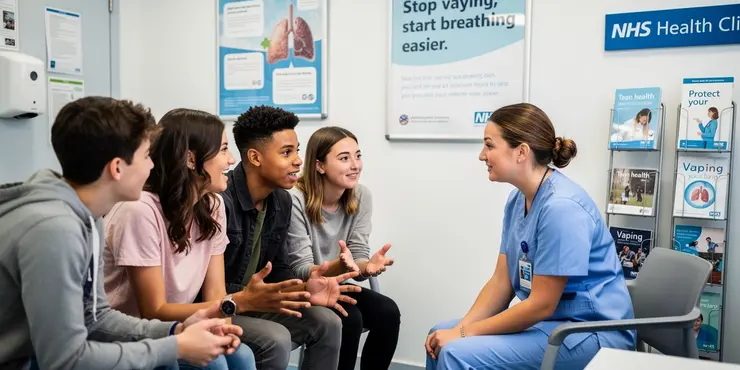
Collaborations between schools and health organizations, such as the NHS and various public health charities, have been crucial in disseminating information about vaping. These partnerships often result in workshops and seminars, where healthcare professionals provide firsthand insights and factual data about vaping effects and addiction risks.
Use of Digital Platforms
Recognizing the digital inclination of today’s youth, initiatives have increasingly turned to digital platforms to spread awareness about the risks of vaping. Social media campaigns, interactive websites, and educational apps have been developed to engage young people in their preferred spaces, delivering facts and real-life stories about the consequences of vaping.
Parental Involvement Programs
Understanding that parental guidance plays a role in shaping youths’ choices, several initiatives include programs designed to involve parents in the conversation. These programs provide parents with the knowledge and tools needed to discuss vaping with their children, aiding in creating a supportive home environment where open conversations about health and safety are encouraged.
Peer Education Initiatives
Peer-led education schemes are also being implemented, where young people are trained to reach out to their peers to discuss the dangers of vaping. This approach leverages the influence of peer networks to disseminate critical health information and foster environments where healthy choices are normalized.
Monitoring and Evaluation
To ensure the effectiveness of these educational initiatives, continuous monitoring and evaluation are conducted. Research institutions, in collaboration with educational bodies, assess the impact of these programs on youths’ attitudes and behaviors towards vaping, ensuring that strategies remain relevant and impactful.
Government Campaigns
The UK government is teaching young people about vaping. This means smoking electronic cigarettes. There are campaigns to help young people and their parents learn about the dangers of vaping. These campaigns show how vaping can harm your health and help you stay away from it.
School Education Programs
Schools in the UK are teaching students about vaping. They add this topic to health and science classes. Teachers have special materials to explain why vaping is bad, just like smoking real cigarettes. These lessons help students think carefully about peer pressure and what they see in the media.
Working with Health Groups
Schools and health groups, like the NHS, work together to teach about vaping. They hold workshops and talks where health experts explain vaping dangers. Students learn what vaping can do to their bodies and how it can lead to addiction.
Using Online Platforms
Because many young people use the internet, there are online tools to teach about vaping risks. Websites, social media, and apps show real stories and facts about what vaping can do. These tools help young people learn in a way they enjoy.
Programs for Parents
Programs are also made for parents to help them talk with their children about vaping. These programs give parents the right information to discuss health and safety. This helps families have open and honest talks at home.
Peer Education
Young people are also teaching each other about vaping. Some young leaders learn how to talk to their friends about the risks. This way, young people can help each other make healthy decisions.
Checking Progress
To see if these teaching methods work, experts keep checking how young people think and act about vaping. They study if these programs really help students understand that vaping is harmful and if they change their behavior.
Frequently Asked Questions
Organizations and governments are launching multimedia campaigns to raise awareness about the health risks of vaping, using social media, television, and online platforms to reach teens effectively.
Many schools have integrated vape education into their health programs, using evidence-based curricula to teach students about the potential health risks and addiction associated with vaping.
Peer-led initiatives involve training youth ambassadors who then educate their peers, creating a relatable and impactful dialogue on the dangers of vaping.
Parents are encouraged to have open discussions with their children and are provided with resources to help them effectively communicate the risks associated with vaping.
Yes, health organizations are creating and distributing brochures, videos, and interactive content tailored to young audiences to illustrate the health risks of vaping.
Several apps and websites are available that are designed to educate and support youth in understanding the risks of vaping, often including interactive elements and games.
Governments are funding educational programs and research to provide comprehensive data and facts to schools and communities to better educate young individuals.
Yes, influencers with significant youth followings are often engaged to spread vaping awareness messages, leveraging their platforms to reach a broad audience.
Doctors and healthcare professionals are participating in community talks, schools visits, and creating content to educate youth about the effects of vaping.
Community workshops offer interactive sessions for both parents and students, emphasizing the risks and providing personal stories about the consequences of vaping.
National health campaigns and specific days are dedicated annually to vaping education, with events that involve schools and communities across the country.
Teachers receive professional development training which includes resources and strategies on how to effectively teach students about the dangers of vaping.
Documentaries and short films aimed at young audiences have been produced, portraying real-life stories to highlight the negative impacts of vaping.
Various programs, hotlines, and support groups are available specifically designed to help youth quit vaping, offering counseling and motivational support.
Social media campaigns use popular platforms frequented by teens to distribute creative and engaging content aimed at warning about the dangers of vaping.
Campaigns sometimes include messages from celebrities who discuss the health risks and encourage youth to stay away from vaping.
Research initiatives provide data and findings that inform educational materials and programs to keep them accurate and relevant.
Anti-vaping clubs involve students who are passionate about spreading awareness, organizing events and sharing information with their peers.
Mentorship programs pair youth with positive role models who educate and guide them on making informed decisions about vaping.
Countries and organizations collaborate to share successful strategies and resources, aiming to create a unified approach to vaping education worldwide.
Groups and governments want to tell people about the dangers of vaping. They are making videos and pictures to share on social media, TV, and the internet to talk to kids and teens.
Lots of schools are teaching kids about vaping in their health classes. They use special lessons that show real facts to help kids understand how vaping can be bad for their health and how it can be addictive.
Peer-led projects mean young people help teach other young people. These young helpers learn first. Then, they talk to others about why vaping is bad. This makes the message clear and easy to understand.
Parents should talk openly with their children. They should discuss why vaping can be risky. There are tools to help parents talk about this.
Yes, health organizations are making and sharing brochures, videos, and fun things to explain the health dangers of vaping to young people.
There are many apps and websites to help kids learn about the dangers of vaping. They often have fun games and activities to make learning easier.
Governments give money to help schools and communities teach young people. They use this money to get good information and facts for learning.
Yes, people with lots of young followers on social media are often asked to help share messages about vaping. They use their social media pages to talk to many people.
Doctors and healthcare workers are giving talks in the community. They are also visiting schools and making videos or posters. This is to teach young people about vaping and what it can do to your health.
Community workshops help parents and kids learn together. They have fun sessions that show why vaping can be bad and share real stories about what can happen if you vape.
Every year, we have special health campaigns and days to learn about vaping. These events happen in schools and communities all over the country.
Teachers go to special classes to learn new things. They get resources and ideas on how to talk to students about why vaping is bad for them.
Movies and short videos for kids show real stories about why vaping is bad.
There are many programs, phone help lines, and groups that help young people stop vaping. These programs give advice and help to keep you motivated.
Social media can help teach kids about the dangers of vaping. It uses fun and interesting content on platforms kids like to use.
Sometimes, famous people talk about why vaping is bad for your health. They tell kids and teens not to vape.
Research helps us learn new things. It gives us important information. This information helps make learning materials better and up-to-date.
Anti-vaping clubs are for students who care a lot about telling others why vaping is bad. They like to plan fun activities and share important facts with their friends.
Mentorship programs match young people with helpful adults. These adults teach and guide them on how to make smart choices about vaping.
Countries and groups work together. They share ideas and tools that work well. This helps them teach everyone about vaping in the same way everywhere.
You can use apps or tools that read the text out loud to help understand better.

Ergsy Search Results
This website offers general information and is not a substitute for professional advice.
Always seek guidance from qualified professionals.
If you have any medical concerns or need urgent help, contact a healthcare professional or emergency services immediately.
Some of this content was generated with AI assistance. We've done our best to keep it accurate, helpful, and human-friendly.
- Ergsy carefully checks the information in the videos we provide here.
- Videos shown by Youtube after a video has completed, have NOT been reviewed by ERGSY.
- To view, click the arrow in centre of video.
- Most of the videos you find here will have subtitles and/or closed captions available.
- You may need to turn these on, and choose your preferred language.
- Go to the video you'd like to watch.
- If closed captions (CC) are available, settings will be visible on the bottom right of the video player.
- To turn on Captions, click settings.
- To turn off Captions, click settings again.