
Get Answers
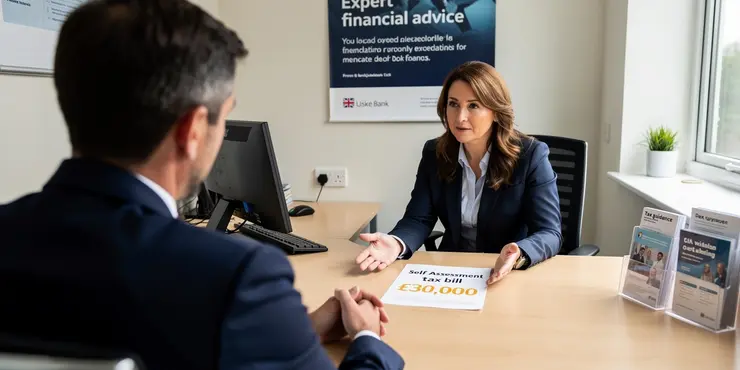
What does it mean if you owe more than £30,000?
If you owe more than £30,000 in Self Assessment tax, HMRC will still expect you to pay the debt in full. The amount may have built up because of unpaid income tax, Class 4 National Insurance, or payments on account.
Owing this much is serious, but it does not automatically mean HMRC will take immediate enforcement action. The key issue is whether you can show that you want to repay the debt and are willing to agree a realistic plan.
Can you pay in instalments?
In many cases, HMRC may agree to a Time to Pay arrangement. This lets you spread the debt over monthly instalments instead of paying it all at once. It can be a practical option if you are self-employed or your income changes from month to month.
HMRC will usually look at your finances before agreeing to a plan. They may ask for details of your income, spending, assets, and any other debts. The stronger your proposal, the more likely it is to be accepted.
What happens if you do nothing?
If you ignore the debt, HMRC can add interest and penalties. The longer you leave it, the more expensive it becomes. In serious cases, HMRC can use debt collection powers to recover the money.
This may include taking money directly from wages or bank accounts, or passing the debt to enforcement agents. If you owe a large amount, it is important to act quickly before the situation gets worse.
How can you deal with the debt?
Start by checking exactly how much you owe through your Self Assessment account. Make sure the figure is correct and that no deadlines or appeals have been missed. If anything looks wrong, raise it with HMRC as soon as possible.
If the debt is accurate, work out what you can realistically afford each month. You may need to cut expenses, increase income, or sell assets to reduce the balance. Getting advice from an accountant or debt adviser can also help you choose the best route.
What if you cannot afford to pay?
If paying more than £30,000 would cause serious financial difficulty, do not wait until HMRC starts chasing you. Contact them early and explain your situation honestly. HMRC is more likely to listen if you show you are being proactive.
In some cases, a formal debt solution may be more suitable than a standard payment plan. The right option will depend on your income, assets, and whether you are still trading. Professional advice can be especially useful if your tax debt is alongside other borrowing.
Frequently Asked Questions
Self Assessment tax over £30,000 usually refers to an income tax bill due under Self Assessment that is more than £30,000. It can arise from self-employed income, rental income, dividends, capital gains, or other untaxed income that must be reported to HMRC.
Anyone with a Self Assessment liability over £30,000 may need to pay it, depending on their income sources and tax position. This is common for self-employed people, landlords, company directors, high earners, and individuals with significant untaxed income or gains.
You can pay Self Assessment tax over £30,000 through HMRC using bank transfer, debit card, Direct Debit, online banking, or other accepted payment methods. It is important to use the correct reference, usually your 10-digit Unique Taxpayer Reference, so HMRC allocates the payment correctly.
The main Self Assessment payment deadline is usually 31 January following the end of the tax year. If you make payments on account, an additional payment may also be due on 31 July. You should check your HMRC account for the exact amount and deadlines.
Yes, in some cases HMRC may allow you to pay Self Assessment tax over £30,000 in instalments through a Time to Pay arrangement. You usually need to show that you cannot pay in full and that you can meet future payments.
Payments on account are advance payments toward the next year’s Self Assessment bill. If your tax bill is over £30,000, these payments can significantly affect what you owe at each deadline, and they may reduce or increase the final balancing payment.
If you miss the deadline, HMRC may charge interest and penalties. The longer the tax remains unpaid, the more the cost can increase, so it is best to pay as soon as possible or contact HMRC to arrange support.
If you file your Self Assessment return late, HMRC can charge fixed penalties, daily penalties in some cases, and additional penalties if the return is very late. These penalties are separate from any interest or late payment charges on the tax itself.
Yes, if your expenses are allowable and wholly and exclusively for business or qualifying income purposes, they can reduce your taxable profit and therefore your Self Assessment bill. You should keep clear records and ensure the expenses are valid under HMRC rules.
Self Assessment tax over £30,000 may be separate from National Insurance, but some Self Assessment filers also owe Class 2 or Class 4 National Insurance if they are self-employed. Your total payment may therefore include both tax and National Insurance liabilities.
Yes, HMRC can take enforcement action if a Self Assessment tax bill over £30,000 remains unpaid. This can include charging interest, sending debt collection notices, taking money from bank accounts in some cases, or starting legal recovery action.
You can usually request a Time to Pay plan online through your HMRC account or by contacting HMRC directly. HMRC will consider your income, expenses, existing debts, and ability to make affordable monthly payments before agreeing to a plan.
A large Self Assessment tax bill can affect a mortgage application because lenders assess your net income and financial commitments. They may ask for tax calculations, tax year overviews, and proof that your tax affairs are up to date.
You can check your Self Assessment tax balance by signing in to your HMRC online account or using the HMRC app if available. Your account should show amounts due, payments made, and any interest or penalties added.
You may be able to claim tax reliefs depending on your circumstances, such as pension contributions, charitable donations, trading allowances, or business-related deductions. The reliefs available depend on the type of income and your overall tax position.
You should keep records of income, invoices, receipts, bank statements, mileage logs, dividend vouchers, rental accounts, and any other documents supporting your tax return. Good recordkeeping helps you complete your return accurately and respond to HMRC queries.
You do not legally need an accountant, but professional help can be useful if your Self Assessment tax over £30,000 is complex. An accountant can help with deadlines, expenses, reliefs, payments on account, and dealing with HMRC.
Yes, if you overpay your Self Assessment tax, HMRC should refund the excess or allow it to be set against future liabilities. You can usually check your account and request a repayment if a balance is shown in credit.
If you think a penalty is incorrect, you can appeal to HMRC and explain why you believe it should be cancelled or reduced. You will usually need to provide evidence and submit the appeal within HMRC’s deadline.
If you cannot afford to pay, contact HMRC as soon as possible to discuss a Time to Pay arrangement or other options. Acting early can reduce the risk of additional penalties, interest, and enforcement action.

Ergsy Search Results
This website offers general information and is not a substitute for professional advice.
Always seek guidance from qualified professionals.
If you have any medical concerns or need urgent help, contact a healthcare professional or emergency services immediately.
Some of this content was generated with AI assistance. We've done our best to keep it accurate, helpful, and human-friendly.
- Ergsy carefully checks the information in the videos we provide here.
- Videos shown by Youtube after a video has completed, have NOT been reviewed by ERGSY.
- To view, click the arrow in centre of video.
- Most of the videos you find here will have subtitles and/or closed captions available.
- You may need to turn these on, and choose your preferred language.
- Go to the video you'd like to watch.
- If closed captions (CC) are available, settings will be visible on the bottom right of the video player.
- To turn on Captions, click settings.
- To turn off Captions, click settings again.