
Get Answers
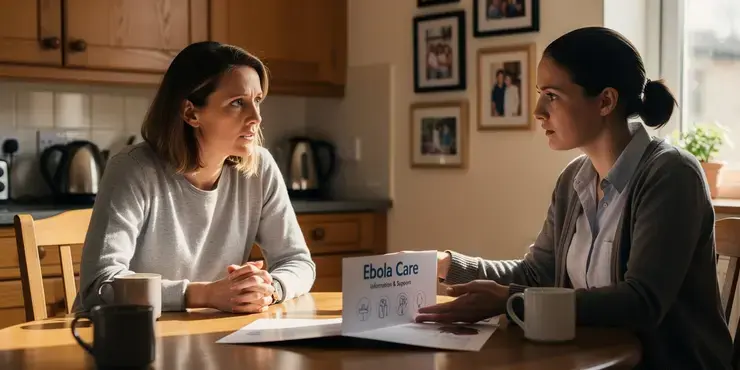
If you are caring for someone after Ebola exposure
If you think someone may have been exposed to Ebola, contact NHS 111, your GP, or the local UK Health Security Agency advice line straight away. Do not wait for symptoms to get worse. Early advice is important because Ebola is a serious infection and needs urgent assessment.
Do not panic, but do treat the situation as time-sensitive. The person may need to be monitored for symptoms and advised about what to do next. If they have recently travelled from an affected area or had contact with a known case, tell the clinician this clearly.
Reduce contact and follow medical advice
Try to keep the person apart from other people in the home if possible. Use a separate bedroom and bathroom if available. Limit visitors and avoid unnecessary face-to-face contact until you have clear advice from a healthcare professional.
Follow any instructions from public health teams carefully. They may ask the person to check their temperature regularly and report any symptoms. They may also advise you on cleaning, laundry, and how to safely handle personal items.
Watch for symptoms
Symptoms of Ebola usually start suddenly and can include fever, tiredness, headache, muscle aches, sore throat, vomiting, diarrhoea, and stomach pain. Some people may also develop a rash or unexplained bleeding. Symptoms can appear days after exposure, so continue monitoring for the full advised period.
If the person develops any symptoms, contact NHS 111 or the emergency services immediately and explain the possible Ebola exposure. Do not attend a GP surgery, walk-in centre, or hospital without calling first. This helps protect other people and ensures the right team is ready.
Protect yourself while providing care
Wash your hands often with soap and water, especially after any contact with the person or their belongings. If you are asked to provide hands-on care, follow any infection control guidance given by professionals. Avoid contact with bodily fluids such as vomit, diarrhoea, blood, or urine.
If you need to clean up bodily fluids, use disposable gloves if advised and clean the area carefully. Put waste in a sealed bag as instructed by health professionals. If you are unsure, ask for advice before doing anything.
Get urgent help if needed
If the person becomes very unwell, collapses, has trouble breathing, or has heavy bleeding, call 999 immediately. Tell the call handler about the possible Ebola exposure before they arrive. This allows the ambulance service to take the right precautions.
In the UK, suspected Ebola cases are managed through specialist pathways. The key step is to seek help early and follow official guidance. Acting quickly protects both the person you are caring for and everyone around them.
Frequently Asked Questions
Leave the exposure area if it is safe to do so, avoid touching your face, wash skin with soap and water, and immediately contact local public health authorities, your supervisor, or a healthcare provider for urgent guidance. If the exposure involved eyes, nose, mouth, or broken skin, seek medical advice right away.
Report the exposure immediately to your workplace, infection control team, and public health officials. You may need monitoring for symptoms and instructions about work restrictions, travel, and follow-up based on the type and timing of exposure.
Wash the area with soap and water right away, do not squeeze the wound, and report the injury immediately. Get urgent occupational health or emergency evaluation because the risk depends on what the sharp contacted and whether the source patient had Ebola.
Rinse the exposed area immediately with plenty of water or saline for several minutes and contact public health or occupational health right away. Do not delay, because mucous membrane exposures require prompt assessment and monitoring.
Monitor for symptoms for 21 days after the last possible exposure unless public health tells you otherwise. Follow instructions for temperature checks, symptom reporting, travel, and work restrictions during that period.
Fever, severe headache, muscle pain, weakness, vomiting, diarrhea, abdominal pain, or unexplained bleeding should trigger immediate medical and public health contact. Tell them about the exposure before going to a clinic or hospital so they can prepare safely.
Do not assume you can continue normal activities until your exposure is assessed by public health or occupational health. The recommendation depends on the level of contact, use of protective equipment, and whether any body fluid exposure occurred.
Public health guidance determines whether you need isolation, work restriction, or active monitoring. If you develop symptoms, isolate immediately and seek urgent care; if you remain well, you may be advised to monitor instead of fully isolate.
Until you receive official instructions, avoid further close contact if possible, use recommended personal protective equipment if directed, and strictly follow hand hygiene and contamination-control practices. Do not enter high-risk settings unless a supervisor or public health authority confirms it is safe.
Report the exposure immediately even if you feel well, because lack of proper protection can increase risk. A health authority will evaluate the specific exposure and decide on monitoring, work restrictions, and follow-up testing if needed.
Avoid direct contact with the person's body fluids, do not share personal items, and follow any home isolation or monitoring instructions from public health. Household contacts may need special guidance depending on whether the patient is confirmed or suspected to have Ebola.
Handle contaminated items as directed by public health or infection control, avoiding shaking or direct skin contact with soiled materials. Use appropriate disinfectants and laundering instructions, and wear recommended protective gear if you have been trained to do so.
Treat it as urgent and contact public health, occupational health, or emergency services immediately. Tell them about your Ebola exposure before arriving so they can arrange safe evaluation and care.
Do not mask a fever or other symptoms with medication before getting advice, unless a clinician tells you to do so. Early reporting is important because fever-reducing medicine may make monitoring less reliable.
Family members should be told that the exposure is being evaluated and that they should follow any guidance from public health, including symptom monitoring if advised. They should also avoid unnecessary contact with blood or body fluids and know how to seek help if symptoms appear.
Record the date, time, location, type of exposure, the patient's status if known, the protective equipment used, and any immediate first aid performed. Share the report with occupational health, infection control, and public health so they can assess the risk accurately.
Follow public health instructions about travel because you may be asked to avoid travel or notify authorities if travel is unavoidable. Movement during the monitoring period can affect how quickly symptoms are recognized and how contact tracing is managed.
Testing is guided by public health and depends on symptoms, timing, and exposure type. Many exposed people are monitored for symptoms first, and testing is arranged if symptoms develop or if authorities deem it necessary.
Seek emergency care immediately if you develop symptoms, have significant exposure to blood or body fluids, or feel very ill. Call ahead and tell the facility about the Ebola exposure so they can use appropriate precautions.
Contact your supervisor or occupational health department, local or national public health authorities, and a healthcare provider with infection control experience as soon as possible. If you cannot reach them and you have symptoms, go to emergency care and report the exposure immediately.

Ergsy Search Results
This website offers general information and is not a substitute for professional advice.
Always seek guidance from qualified professionals.
If you have any medical concerns or need urgent help, contact a healthcare professional or emergency services immediately.
Some of this content was generated with AI assistance. We've done our best to keep it accurate, helpful, and human-friendly.
- Ergsy carefully checks the information in the videos we provide here.
- Videos shown by Youtube after a video has completed, have NOT been reviewed by ERGSY.
- To view, click the arrow in centre of video.
- Most of the videos you find here will have subtitles and/or closed captions available.
- You may need to turn these on, and choose your preferred language.
- Go to the video you'd like to watch.
- If closed captions (CC) are available, settings will be visible on the bottom right of the video player.
- To turn on Captions, click settings.
- To turn off Captions, click settings again.