
Get Answers
What happens once approval is given?
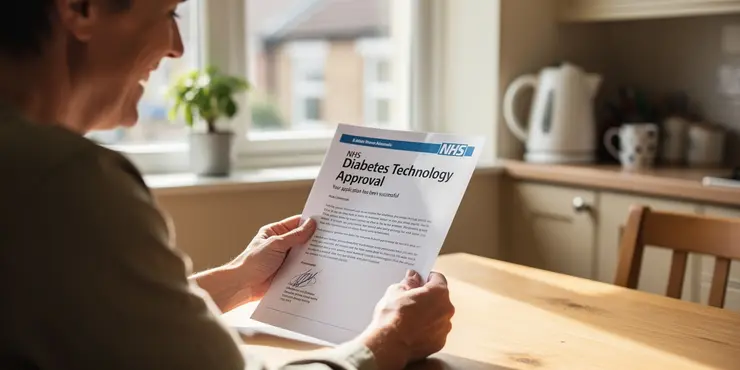
If your NHS eligibility for diabetes technology is approved, the next step is usually arranging the device and getting it started. This may involve a specialist diabetes team, such as a hospital clinic, diabetes nurse, or pump/technology service.
You should be told which device has been approved, how it will be supplied, and who will support you. In many cases, the team will contact you to book training and set up the first appointment.
Training and setup
Before you begin using the technology, you will usually have training. This helps you understand how the device works, how to wear or use it, and what to do if something goes wrong.
For continuous glucose monitors, this may include how to apply the sensor, read your results, and respond to alerts. For pumps or hybrid closed-loop systems, training is often more detailed because the settings need to be matched to your insulin needs.
Getting your device and supplies
Once everything is arranged, the device will be provided through the NHS or via an approved supply route. You may receive the first device at your appointment, or it may be posted to you after training.
Ongoing supplies are also important. These can include sensors, infusion sets, cartridges, batteries, or other parts, depending on the technology you have been approved for.
Follow-up and review
After you start using the technology, your diabetes team will usually review how it is working for you. This may happen after a few weeks, then at regular intervals afterwards.
They will look at your glucose readings, how comfortable you feel using the device, and whether any settings need adjusting. This is a normal part of making sure the technology is helping you safely and effectively.
What to do if there are problems
If the device is not working properly, or you are having trouble using it, contact your diabetes team as soon as possible. They can help with technical issues, replacement supplies, or changes to your treatment plan.
You should also seek advice if your glucose levels are difficult to manage or if you are unsure how to respond to alerts. Quick support can prevent small issues from becoming bigger problems.
Keeping things on track
Using diabetes technology well often takes a little time and practice. It is important to attend reviews, keep track of supplies, and let the team know if your needs change.
Approval is the start of the process, not the end of it. With the right support, NHS diabetes technology can become a useful part of everyday diabetes management.
Frequently Asked Questions
NHS diabetes technologies eligibility access approval is the process used to decide whether a person with diabetes can receive technologies such as continuous glucose monitors, insulin pumps, or hybrid closed-loop systems through NHS care. Approval is usually based on clinical need, diabetes type, treatment history, and local NHS pathways, with decisions guided by national policy and local specialist teams.
Eligibility for NHS diabetes technologies eligibility access approval depends on the technology and the person’s clinical circumstances. In general, people with type 1 diabetes are more likely to qualify for devices such as continuous glucose monitors or insulin pumps, while some people with other types of diabetes may qualify if they have significant insulin needs, recurrent severe hypoglycaemia, problematic hypoglycaemia awareness, or other specialist indications.
Clinical criteria for NHS diabetes technologies eligibility access approval may include diabetes type, insulin regimen, frequency of hypoglycaemia or hyperglycaemia, HbA1c levels, glucose variability, impaired hypoglycaemia awareness, pregnancy, paediatric needs, and whether the person has already tried standard treatments. The exact criteria vary by device and local NHS service.
To apply for NHS diabetes technologies eligibility access approval, you normally need a referral or review by your diabetes specialist team. They assess your clinical needs, check whether you meet the relevant criteria, and submit any required paperwork or authorisation request through the local NHS pathway.
Yes, NHS diabetes technologies eligibility access approval is usually requested by a diabetes specialist team rather than by the patient directly. A consultant, specialist nurse, or diabetes clinic team typically performs the assessment and submits the approval request.
The time for NHS diabetes technologies eligibility access approval varies by area, device, and workload. Some decisions may be made quickly if the case is straightforward, while others take longer if additional evidence, a specialist review, or funding approval is needed.
Documents for NHS diabetes technologies eligibility access approval often include clinic letters, glucose records, HbA1c results, details of current treatment, evidence of hypoglycaemia or poor control, and notes from diabetes education or previous device trials. Your specialist team will usually tell you what is required.
Yes, children and young people may receive NHS diabetes technologies eligibility access approval if the technology is clinically appropriate. Paediatric eligibility often considers safety, glycaemic control, hypoglycaemia risk, family support, school needs, and the child’s ability to use the device with supervision.
Yes, pregnancy can strengthen the case for NHS diabetes technologies eligibility access approval, especially when tighter glucose control is needed to reduce risks to parent and baby. Specialist maternity diabetes teams often assess and prioritise technology access during pregnancy.
NHS diabetes technologies eligibility access approval may cover continuous glucose monitors if the person meets the relevant clinical criteria. CGM access is often considered for people with type 1 diabetes, frequent hypoglycaemia, impaired awareness, pregnancy, or other situations where real-time glucose data can improve safety and control.
Yes, NHS diabetes technologies eligibility access approval may cover insulin pumps for people who meet the clinical criteria. Pump therapy is often considered when multiple daily injections are not giving adequate control, when hypoglycaemia is a major problem, or when specialist teams believe a pump would provide clear benefit.
NHS diabetes technologies eligibility access approval can cover hybrid closed-loop systems, but eligibility is often more specific than for standard CGM or pump therapy. Access usually depends on type 1 diabetes, previous technology use or training, glycaemic control, hypoglycaemia risk, and local NHS commissioning arrangements.
NHS diabetes technologies eligibility access approval may be refused if the person does not meet the clinical criteria, if the device is not funded locally for that indication, if essential documentation is missing, or if the specialist team believes another treatment option would be more appropriate. A refusal can often be reviewed or appealed.
Yes, you may be able to ask for a review or appeal if NHS diabetes technologies eligibility access approval is refused. The best first step is to ask your diabetes specialist team why the decision was made and whether more evidence, a second opinion, or a formal review can be submitted.
No, NHS diabetes technologies eligibility access approval can differ across England, Scotland, Wales, and Northern Ireland because commissioning arrangements and local pathways are not identical. National guidance may be similar, but local access can vary.
Often, yes. NHS diabetes technologies eligibility access approval may require evidence that standard treatment, education, and self-management support have already been used appropriately. Some technologies are approved only when there is a clear unmet clinical need despite existing therapy.
Some adults with type 2 diabetes may qualify for NHS diabetes technologies eligibility access approval, particularly if they use intensive insulin therapy and have significant clinical needs. Eligibility is usually more limited than for type 1 diabetes and depends on the technology and local policy.
After NHS diabetes technologies eligibility access approval is granted, the specialist team usually reviews whether the technology is helping, whether it is used safely, and whether settings or support need to change. Continued access may depend on regular follow-up and demonstrated benefit.
You should ask which device you are being considered for, what criteria you need to meet, what evidence is needed, how long the decision may take, and what the next step is if NHS diabetes technologies eligibility access approval is not granted. This helps you understand the pathway and prepare the right information.
Help with NHS diabetes technologies eligibility access approval is usually available from your diabetes consultant, specialist nurse, diabetes clinic administrator, or local NHS patient advice service. Charities and patient organisations may also explain general eligibility and access pathways, but your specialist team can confirm what applies to you.

Ergsy Search Results
This website offers general information and is not a substitute for professional advice.
Always seek guidance from qualified professionals.
If you have any medical concerns or need urgent help, contact a healthcare professional or emergency services immediately.
Some of this content was generated with AI assistance. We've done our best to keep it accurate, helpful, and human-friendly.
- Ergsy carefully checks the information in the videos we provide here.
- Videos shown by Youtube after a video has completed, have NOT been reviewed by ERGSY.
- To view, click the arrow in centre of video.
- Most of the videos you find here will have subtitles and/or closed captions available.
- You may need to turn these on, and choose your preferred language.
- Go to the video you'd like to watch.
- If closed captions (CC) are available, settings will be visible on the bottom right of the video player.
- To turn on Captions, click settings.
- To turn off Captions, click settings again.