
Speak To An Expert
Get clear, personalised advice for your situation.
Jot down a few questions to make the most of your conversation.
What Exercises Can I Do During Pregnancy?
Exercise during pregnancy offers numerous benefits for both the mother and the baby. It can help improve posture, reduce discomforts like back pain and fatigue, and may even prevent gestational diabetes. Regular physical activity also contributes to a healthier pregnancy and can assist in easier labor. However, it is crucial to choose the right types of exercises and adapt them as your pregnancy progresses. Here are some safe and beneficial exercises for expectant mothers in the UK.
Walking
Walking is one of the safest and most accessible exercises for pregnant women. It is gentle on the joints and provides a full-body workout. Walking can be done almost anywhere, at any pace, making it easy to incorporate into a daily routine. It's a great way to stay active without the need for any special equipment.
Swimming
Swimming or water aerobics offer an excellent workout for pregnant women. The buoyancy of water supports your body and alleviates stress on joints and ligaments, reducing the risk of injury. Swimming can improve cardiovascular fitness, muscle strength, and endurance while being easy on the body.
Pregnancy Yoga
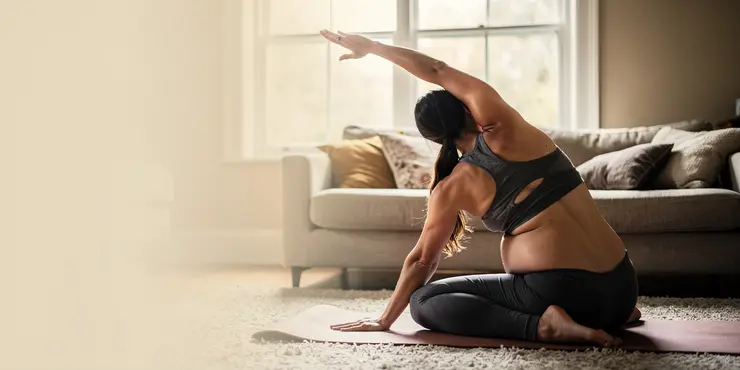
Yoga is beneficial during pregnancy for improving flexibility, strength, and reducing stress. Prenatal yoga classes are designed specifically for expectant mothers and focus on breathing techniques and gentle stretching. These classes can also be a good way to connect with your baby and other expectant mothers.
Pilates
Pilates is effective in enhancing core strength, which supports the spine and helps to alleviate lower back pain common during pregnancy. Prenatal Pilates classes cater to the changing body and focus on safe exercises to strengthen the pelvic floor and abdominal muscles.
Strength Training
Maintaining muscle tone is important during pregnancy, and strength training exercises can be adapted to ensure safety. Light weights or bodyweight exercises such as squats, lunges, and modified push-ups are generally safe. Focus on low weights and higher repetitions to avoid undue stress on the body.
Precautionary Measures
While exercise is beneficial during pregnancy, it is important to take certain precautions. Always consult with your healthcare provider before beginning any new exercise regime to ensure it is safe for your specific condition. Listen to your body, and avoid over-exertion. Stay hydrated, avoid excessive heat, and steer clear of activities that involve lying flat on your back after the first trimester or those with a risk of falling or abdominal trauma.
Conclusion
Staying active during pregnancy is important for both physical and emotional well-being. With the right exercises, you can enjoy a healthier pregnancy and prepare your body for labor and delivery. Always prioritise safety and consult with your healthcare provider to tailor an exercise regime that fits your needs.
What Exercises Can I Do During Pregnancy?
Doing exercise when you are pregnant is good for you and your baby. It can help you feel better, with less back pain and tiredness. Exercise can also stop some problems, like gestational diabetes, from happening. Being active can make your pregnancy healthier and make giving birth easier. It's important to pick the right exercises and change them as your baby grows. Here are some safe exercises for pregnant moms in the UK.
Walking
Walking is very safe and easy for pregnant women. It is gentle on your body and helps you stay fit. You can walk anywhere and go as fast or slow as you want. Walking is great because you don’t need any special stuff to do it.
Swimming
Swimming or water exercises are good for pregnant women too. The water helps support you and is gentle on your joints and muscles. Swimming helps your heart stay healthy and makes your muscles stronger without being hard on your body.
Pregnancy Yoga
Yoga is relaxing and helps you stay flexible and strong during pregnancy. Prenatal yoga classes are made for pregnant moms and teach you how to breathe and stretch gently. These classes can also help you feel close to your baby and meet other moms-to-be.
Pilates
Pilates is good for making your tummy and back stronger. This helps with back pain during pregnancy. Prenatal Pilates classes are gentle and focus on exercises that are safe and help your belly and pelvic area.
Strength Training
Keeping your muscles strong is important when you are pregnant. You can use light weights or do exercises like squats and lunges without weights. Use small weights and do more repetitions to keep it safe for your body.
Precautionary Measures
Exercise is good for you, but remember to be safe. Talk to your doctor before starting any new exercise to make sure it's safe for you. Listen to your body and don’t push too hard. Drink lots of water, avoid getting too hot, and don’t do exercises where you lie on your back after the first few months or any that might make you fall or hurt your belly.
Conclusion
Being active when you are pregnant is good for your body and mind. With the right exercises, you can help your body stay healthy and get ready for birth. Always stay safe and talk to your doctor to make a plan that’s right for you.
Frequently Asked Questions
Walking, swimming, stationary cycling, and modified yoga or Pilates are generally safe exercises during pregnancy.
If you were a regular runner before pregnancy and have no complications, you can usually continue running with your healthcare provider's approval.
Yes, you can lift weights while pregnant, but it's important to use lighter weights, focus on proper form, and get guidance from a fitness professional.
Certain abdominal exercises can be safe during pregnancy, such as modified planks and standing pelvic tilts. Avoid exercises like sit-ups or crunches, especially after the first trimester.
After the first trimester, it's typically recommended to avoid exercises that involve lying flat on your back to prevent restricted blood flow.
During pregnancy, avoid deep backbends, inversions, and poses that put pressure on the belly. Opt for prenatal yoga classes if possible.
Yes, swimming is an excellent low-impact exercise during pregnancy that can help alleviate joint and muscle strain.
High-impact exercises should generally be avoided unless you are already conditioned for them and have your healthcare provider's approval.
Pregnant women are encouraged to get at least 150 minutes of moderate-intensity exercise each week, spread throughout the week.
Yes, Pilates can help maintain core strength and flexibility during pregnancy, but it's best to participate in a class specifically for pregnant women.
Avoid exercises that involve twisting the midsection, heavy lifting, contact sports, and activities with a risk of falling.
Yes, but look for classes designed for pregnant women or inform the instructor of your pregnancy so modifications can be made.
Stationary cycling is safe for most pregnant women, while outdoor cycling should be approached with caution due to balance issues.
Listen to your body, stay hydrated, avoid overheating, and pay attention to your comfort levels. Stop if you feel pain or discomfort.
Yes, certain exercises like pelvic floor exercises, squats, and prenatal yoga can help prepare your body for labor.
Group sports with a high risk of falling, contact, or injuries should generally be avoided during pregnancy.
It's a good idea to consult with your healthcare provider before starting any new exercise program during pregnancy.
Exercise can help reduce backaches, improve sleep, boost mood, and increase overall strength and endurance during pregnancy.
Regular physical activity during pregnancy can help manage weight and reduce the risk of gestational diabetes.
Wear comfortable, breathable clothing, as well as supportive athletic shoes and a fitting sports bra to accommodate body changes during pregnancy.
When you are going to have a baby, some exercises are safe to do. You can go for a walk, swim, use a stationary bike, or try gentle yoga or Pilates.
Here are some tips to help you:
- Walk slowly at your own pace.
- Swim in a safe pool with someone watching.
- Use an exercise bike that doesn't move.
- Find a yoga or Pilates class that is gentle and for pregnant people.
If you used to run a lot before you got pregnant and everything is going well, you can usually keep running. Just make sure your doctor says it's okay.
Yes, you can lift weights when you are pregnant. But it's important to use lighter weights, be careful to lift the right way, and ask a fitness coach for help.
Some belly exercises are okay when you are pregnant. You can do easy planks and stand-up belly tilts. Don't do sit-ups or crunches after the first few months.
After the first three months of pregnancy, it is often best not to do exercises while lying flat on your back. This can help keep the blood flowing well.
When you are going to have a baby, do not do deep backbends or upside-down poses. Do not do poses that press on your tummy. Try to go to special yoga classes for pregnant people, if you can.
Yes, swimming is a great way to exercise when you are pregnant. It is gentle on your body and can help your joints and muscles feel better.
It is best not to do exercises that are hard on your body, unless you are already strong enough and your doctor says it is okay.
Pregnant women should try to do 150 minutes of exercise every week. This exercise should not be too hard. It is good to spread it out over the whole week.
Yes, Pilates can help keep your tummy muscles strong and your body flexible when you are pregnant. It is a good idea to join a class made just for pregnant women.
Don’t do exercises that make you twist your tummy, lift heavy things, play rough sports, or do things where you might fall.
Yes, you can! But try to find classes that are for pregnant women. If not, tell the teacher that you are having a baby, so they can change some things for you.
Riding a bike that stays in one place is safe for most pregnant women. Riding a bike outside can be tricky because it is harder to keep your balance.
Listen to what your body tells you. Drink lots of water. Don't get too hot. Pay attention to how you feel. Stop if it hurts or feels bad.
Yes, doing some exercises can help your body get ready for having your baby.
You can try:
- Pelvic floor exercises
- Squats
- Prenatal yoga
These exercises make your body stronger.
Ask your doctor or nurse for advice if you need help.
When you are pregnant, try not to play sports where you might fall, get hit, or hurt yourself easily.
Talk to your doctor before you start any new exercise when you are pregnant.
Exercise is good when you are going to have a baby. It can make back pain less. It helps you sleep better. It makes you feel happier. It also makes you stronger and gives you more energy.
To make it easier, you can try:
- Going for a short walk each day.
- Doing simple stretches.
- Trying a pregnancy exercise class.
Ask someone to join you or listen to your favorite music to make it fun!
Doing exercise when you are pregnant can help you stay at a healthy weight. It can also help stop a health problem called gestational diabetes.
Wear clothes that are comfy and let your skin breathe. Put on shoes that are good for sports to keep your feet comfortable. If you are pregnant, wear a sports bra that fits well to support your body.

Ergsy Search Results
This website offers general information and is not a substitute for professional advice.
Always seek guidance from qualified professionals.
If you have any medical concerns or need urgent help, contact a healthcare professional or emergency services immediately.
Some of this content was generated with AI assistance. We've done our best to keep it accurate, helpful, and human-friendly.
- Ergsy carefully checks the information in the videos we provide here.
- Videos shown by Youtube after a video has completed, have NOT been reviewed by ERGSY.
- To view, click the arrow in centre of video.
- Most of the videos you find here will have subtitles and/or closed captions available.
- You may need to turn these on, and choose your preferred language.
- Go to the video you'd like to watch.
- If closed captions (CC) are available, settings will be visible on the bottom right of the video player.
- To turn on Captions, click settings.
- To turn off Captions, click settings again.