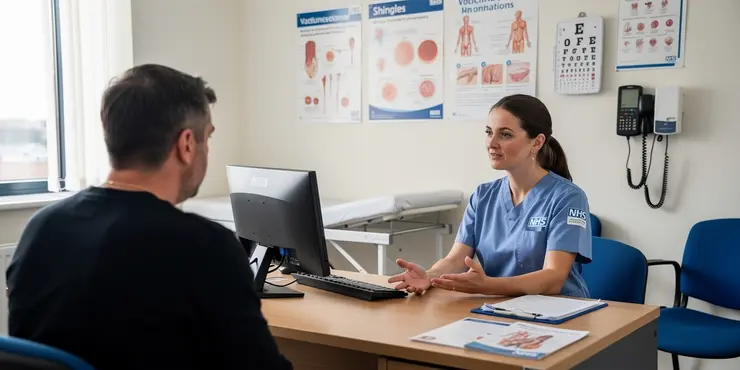

Speak To An Expert
Get clear, personalised advice for your situation.
Jot down a few questions to make the most of your conversation.
What Causes Shingles?
Shingles, medically known as herpes zoster, is a viral infection that causes a painful rash. It is caused by the varicella-zoster virus (VZV), which is the same virus responsible for chickenpox. After a person recovers from chickenpox, the virus remains dormant in the nervous system for years and can reactivate later in life, leading to shingles.
The Role of Varicella-Zoster Virus
Once a person has had chickenpox, the varicella-zoster virus stays inactive in the body’s nerve tissues. It can reside in a person’s body for decades without causing any issues. However, the virus can reactivate and travel along nerve pathways to the skin, resulting in the characteristic shingles rash. The exact mechanisms that trigger the reactivation of the virus are not entirely understood, but several factors are known to increase the risk of developing shingles.
Risk Factors for Shingles
One of the primary risk factors for developing shingles is age. As people get older, their immune systems tend to weaken, increasing the likelihood of the VZV virus reactivating. Individuals over the age of 50 are particularly susceptible, and the risk continues to rise with advancing age.
Another contributing factor to shingles is a weakened immune system. Conditions that compromise the immune system, such as HIV/AIDS, cancer, or treatments like chemotherapy, can increase the risk. Additionally, certain medications that suppress the immune system, such as corticosteroids, can also elevate the likelihood of shingles.
Stress and trauma can be potential triggers as well. Physical or emotional stress might weaken the body's defenses, paving the way for the dormant virus to re-emerge. Exposure to a person with chickenpox, although less common, can also contribute, especially if the immune system is already compromised.
Additional Influences
Genetics might play a role in determining an individual's susceptibility to shingles, although this link is still being explored by researchers. Some studies suggest that individuals with a family history of shingles may face a greater risk themselves.
It's important to note that while anyone who has contracted chickenpox can develop shingles, the chance of occurrence is not equal for everybody. Vaccinations, such as the shingles vaccine, can significantly lower the likelihood of developing the disease or reduce the severity of symptoms if it does occur.
Conclusion
Overall, shingles is a complex condition caused by the reactivation of the varicella-zoster virus. While age, immune system strength, stress levels, and genetic factors can influence the onset of shingles, awareness and preventive measures, such as getting vaccinated and maintaining a healthy lifestyle, can mitigate risks. Understanding these causes empowers individuals to take proactive steps to protect their health.
What Causes Shingles?
Shingles is a sickness that makes a painful rash. It is caused by a virus called varicella-zoster. This is the same virus that causes chickenpox. After you get better from chickenpox, the virus hides in your body. It stays there for a long time. Later, it can wake up again and cause shingles.
The Role of Varicella-Zoster Virus
When you have chickenpox, the virus stays hidden in your body’s nerves. It can hide for many years without causing any problems. But sometimes, the virus wakes up. It travels along the nerves to your skin and creates the shingles rash. Scientists are not completely sure why the virus wakes up. However, some things can make it more likely to happen.
Risk Factors for Shingles
Getting older is a big reason people get shingles. As we age, our bodies can’t fight sickness as well. This makes it easier for the virus to wake up. People over 50 are more likely to get shingles.
Another reason can be a weak immune system. This can happen if someone has diseases like HIV/AIDS or cancer. Treatments like chemotherapy can also weaken the immune system. Some medicines that lower the immune system, like corticosteroids, can increase the chance of getting shingles.
Being stressed or hurt can also make shingles more likely. Stress can make our body weaker, giving the virus a chance to wake up. If you come into contact with someone who has chickenpox, you might also be at risk, especially if your immune system is weak.
Additional Influences
Your genes might also affect whether you get shingles. Scientists are studying this idea. If your family members had shingles, you might have a higher chance too.
Anyone who had chickenpox can get shingles. But not everyone has the same chance. Vaccines can help a lot. Getting the shingles vaccine can stop you from getting sick or make it less serious if you do.
Conclusion
Shingles happens because the varicella-zoster virus wakes up. Things like age, weak immune systems, stress, and genes can make it more likely. To help stay healthy, we can get vaccinated and live a healthy life. Knowing about these reasons helps us to keep safe and look after our health.
Frequently Asked Questions
Shingles is caused by the varicella-zoster virus, the same virus that causes chickenpox.
Stress does not directly cause shingles, but a weakened immune system from stress may trigger the reactivation of the virus.
Shingles itself is not contagious, but the varicella-zoster virus can spread to someone who has never had chickenpox, causing them to develop chickenpox.
Yes, a weakened immune system can allow the dormant varicella-zoster virus to reactivate, causing shingles.
Shingles is most common in people over the age of 50.
The shingles vaccine cannot cause shingles; it helps prevent the outbreak of shingles.
There is no direct evidence that physical injury causes shingles, but trauma to a part of the body may coincide with shingles eruptions.
Vaccinations reduce the risk of developing chickenpox and thus reduce the likelihood of shingles later.
Yes, while less common, shingles can occur in young people if they have had chickenpox.
With age, the immune system weakens, increasing the risk of shingles by allowing the virus to reactivate.
Medications that suppress the immune system can increase the risk of shingles.
The immune system prevents a full chickenpox infection from reoccurring, but localized nerve infections result in shingles.
Yes, even healthy individuals with a history of chickenpox can develop shingles.
Genetic factors may play a role, as the immune response and reactivation risk can vary among individuals.
There is no strong evidence linking seasonal changes to shingles outbreaks.
Diet does not directly cause shingles, though a balanced diet supports immune health.
Surgery-induced stress and immune suppression can contribute to reactivation of the virus.
Individual immune response and stress levels can contribute to multiple shingles episodes.
Cold weather alone does not cause shingles, but stress and a weakened immune system associated with winter can contribute.
Conditions like cancer, HIV, or treatments like chemotherapy can weaken the immune system, elevating shingles risk.
Shingles is an illness. It happens because of a tiny germ called the varicella-zoster virus. This is the same germ that gives people chickenpox.
Stress does not cause shingles. But if you are stressed, it can make your body's defenses weak. This might wake up the virus that causes shingles.
Tip: Try to relax and take breaks. Doing calming things can help you feel better.
Shingles can't spread from one person to another. But if you have shingles, you have a virus in your body. This virus can spread to someone who has never had chickenpox and make them get chickenpox.
Yes, if your body's defense system gets weak, it can let the sleeping chickenpox virus wake up again. This can cause shingles.
Shingles happens mostly to people who are older than 50 years old.
The shingles vaccine does not give you shingles. It helps stop you from getting shingles.
We don't know for sure if getting hurt can cause shingles. But sometimes, getting hurt and having shingles can happen around the same time.
Vaccines can help stop you from getting chickenpox. This also makes it less likely that you will get shingles when you are older.
Yes, young people can get shingles. This happens if they had chickenpox before. But it is not very common.
As people get older, their body's defense system gets weaker. This makes it easier for illnesses like shingles to come back.
Some medicines can make it easier to get shingles. These medicines make your body’s defense system weak.
The immune system stops you from getting chickenpox again after you’ve had it. But, sometimes, a part of the virus stays in your nerves and can cause something called shingles.
Yes, people who had chickenpox before can get shingles, even if they are healthy now.
Genes, which are tiny parts of our body's code, might affect our health. This can change how our body fights germs and how often we get sick.
There is no strong proof that the seasons affect shingles outbreaks.
What you eat doesn't cause shingles. But eating healthy foods helps your body stay strong and fight sickness.
When you have surgery, your body feels stress and your immune system may become weak. This can make it easier for the virus to become active again.
Your body's defenses and how stressed you feel can cause shingles to come back more than once.
Cold weather doesn't make you get shingles. But feeling stressed or having a weak body in winter can help shingles happen.
Some illnesses, like cancer and HIV, or strong medicines like chemotherapy, can make the body's defenses weaker. This can make it easier to get shingles.

Ergsy Search Results
This website offers general information and is not a substitute for professional advice.
Always seek guidance from qualified professionals.
If you have any medical concerns or need urgent help, contact a healthcare professional or emergency services immediately.
Some of this content was generated with AI assistance. We've done our best to keep it accurate, helpful, and human-friendly.
- Ergsy carefully checks the information in the videos we provide here.
- Videos shown by Youtube after a video has completed, have NOT been reviewed by ERGSY.
- To view, click the arrow in centre of video.
- Most of the videos you find here will have subtitles and/or closed captions available.
- You may need to turn these on, and choose your preferred language.
- Go to the video you'd like to watch.
- If closed captions (CC) are available, settings will be visible on the bottom right of the video player.
- To turn on Captions, click settings.
- To turn off Captions, click settings again.