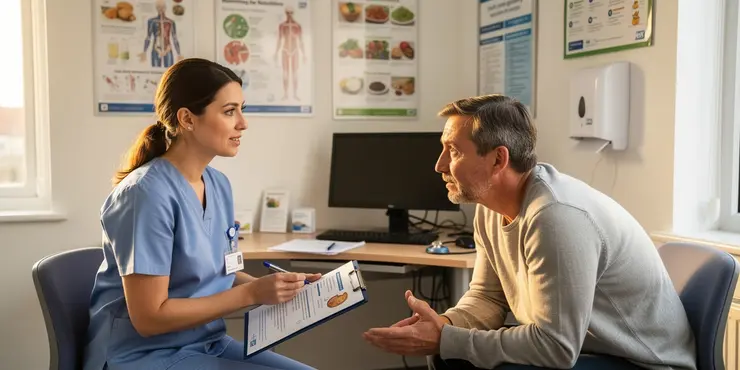

Speak To An Expert
Get clear, personalised advice for your situation.
Jot down a few questions to make the most of your conversation.
What is Iron Deficiency Anemia?
Iron deficiency anemia is a common condition that occurs when the body does not have enough iron to produce adequate levels of hemoglobin. Hemoglobin is a protein found in red blood cells responsible for transporting oxygen throughout the body. Without sufficient iron, the body struggles to produce healthy red blood cells, leading to anemia and its associated symptoms.
Causes of Iron Deficiency Anemia
Iron deficiency anemia can result from various factors. Understanding these causes is crucial in preventing and managing this condition.
Dietary Insufficiency
One of the most common causes of iron deficiency anemia is a diet lacking in iron-rich foods. Individuals who do not consume enough iron in their diet are at risk. This can be particularly prevalent among vegetarians and vegans, as plant-based diets may not provide adequate levels of easily absorbed iron. It is important for these individuals to include iron-rich foods such as lentils, beans, tofu, and fortified grains, or to consider iron supplements if necessary.
Increased Iron Demand
Certain life stages require increased iron intake. Pregnant women, for instance, need more iron to support fetal development and increased blood volume. Similarly, children undergoing rapid growth spurts may need more iron than usual to support their development. Failure to meet these increased demands can lead to iron deficiency anemia.
Blood Loss
Significant or chronic blood loss is another leading cause of iron deficiency anemia. This can result from various conditions, including heavy menstrual periods in women, gastrointestinal bleeding due to ulcers, or cancers like colon cancer. Additionally, surgeries or injuries that result in blood loss can contribute to iron deficiency.
Inability to Absorb Iron
Some individuals may consume adequate iron but still develop iron deficiency anemia due to malabsorption issues. Conditions such as celiac disease or inflammatory bowel disease can affect the intestines' ability to absorb nutrients, including iron. Surgical removal of part of the intestine can also lead to absorption problems and iron deficiency.
Chronic Conditions
Certain chronic illnesses can interfere with iron absorption and utilization. Conditions such as chronic kidney disease and autoimmune disorders can result in an increased risk of developing anemia. The inflammation associated with these diseases can impair the body’s ability to use stored iron effectively.
Conclusion
Iron deficiency anemia is a multifaceted condition that can stem from inadequate dietary intake, increased needs, blood loss, malabsorption, or chronic diseases. Identifying the underlying cause is critical for effective treatment. Individuals experiencing symptoms such as fatigue, weakness, or pale skin should consult a healthcare professional to obtain a proper diagnosis and management plan.
What is Iron Deficiency Anemia?
Iron deficiency anemia is when your body does not have enough iron. Iron is needed to make a part of your blood called hemoglobin. Hemoglobin helps carry oxygen in your blood. Without enough iron, your body can't make good blood cells, so you might feel tired and weak.
Causes of Iron Deficiency Anemia
Iron deficiency anemia can happen for different reasons. Knowing why can help stop and treat it.
Dietary Insufficiency
Not eating enough iron-rich food is a common reason for iron deficiency. People who do not eat meat, like vegetarians and vegans, need to be careful. They should eat foods like lentils, beans, tofu, and cereals that have added iron. Sometimes, taking iron pills might be needed.
Increased Iron Demand
Some people need more iron sometimes. For example, pregnant women need extra iron to help their growing baby. Kids growing fast also need more iron. If they do not get enough, they can become iron deficient.
Blood Loss
Losing a lot of blood is another reason for iron deficiency. Women with heavy periods can lose a lot of iron. People can also lose iron from bleeding in the stomach, which can be caused by ulcers or cancer. Surgeries and injuries may also cause blood loss and lead to iron deficiency.
Inability to Absorb Iron
Some people eat enough iron but their body cannot use it well. Conditions like celiac disease or certain bowel diseases can stop the body from taking in iron from food. If part of the gut is removed in surgery, absorbing iron can also be harder.
Chronic Conditions
Some long-term illnesses can make it hard for the body to use iron. Diseases like chronic kidney disease or autoimmune diseases can make it harder to have enough iron. The inflammation they cause can stop the body from using stored iron.
Conclusion
Iron deficiency anemia can happen for many reasons like not eating enough iron, needing more iron, losing blood, or having certain diseases. Finding out the reason is important to treat it. If you feel very tired, weak, or notice your skin looks pale, see a doctor. They can help find out if you have iron deficiency and how to treat it.
Frequently Asked Questions
Iron deficiency anemia is a condition where the blood lacks adequate healthy red blood cells due to insufficient iron, resulting in reduced oxygen transport to the body's tissues.
The primary causes include inadequate dietary intake of iron, chronic blood loss, increased iron needs during pregnancy, and absorption issues.
Inadequate dietary intake of iron occurs when a diet lacks iron-rich foods such as meat, beans, and fortified cereals, leading to insufficient iron levels for red blood cell production.
Chronic blood loss from sources like gastrointestinal bleeding, heavy menstrual periods, or frequent blood donations can deplete the body's iron stores, causing anemia.
Women of childbearing age are at greater risk due to blood loss during menstruation and increased iron demands during pregnancy.
Yes, disorders like celiac disease or Crohn's disease can inhibit iron absorption in the intestines, leading to anemia.
During pregnancy, a woman's blood volume increases, and more iron is needed to support fetal growth, which can lead to a deficiency if her iron intake is not sufficient.
Poor iron absorption can occur due to conditions affecting the gastrointestinal tract or surgeries that remove part of the stomach or intestines, leading to anemia.
Vegetarian and vegan diets may lead to iron deficiency anemia if not carefully planned, as plant-based iron is less readily absorbed than iron from meat sources.
Iron-rich foods include red meat, poultry, fish, lentils, beans, tofu, and fortified cereals.
Yes, conditions like peptic ulcers, colon cancer, or uterine fibroids can cause bleeding and lead to iron deficiency anemia.
Frequent blood donations can deplete the body's iron reserves, leading to anemia if adequate iron intake is not maintained.
Yes, long-term use of medications such as NSAIDs can cause gastrointestinal bleeding, which may lead to anemia.
During rapid growth phases, children and adolescents have increased iron requirements, and if these needs are not met, it can lead to anemia.
Vitamin C enhances the absorption of non-heme iron (iron from plant sources) in the digestive tract, helping to prevent anemia.
Yes, bariatric surgery can alter the digestive system and lead to decreased iron absorption, increasing the risk of anemia.
Yes, infants can develop iron deficiency anemia, especially if they are born prematurely, consume cow's milk before one year of age, or have a diet low in iron.
Common symptoms include fatigue, weakness, pale skin, shortness of breath, dizziness, and headaches.
It is typically diagnosed through blood tests that measure hemoglobin, hematocrit, and serum ferritin levels.
Treatment options may include dietary changes, iron supplements, and addressing underlying causes such as bleeding or absorption disorders.
Iron deficiency anemia is when your blood doesn’t have enough healthy red blood cells. This happens because there is not enough iron in your body. Without enough iron, your blood can't carry enough oxygen to all parts of your body.
The main reasons are not eating enough foods with iron, losing blood often, needing more iron when pregnant, and problems with the body taking in iron.
To help, try eating foods like red meat, spinach, and beans. Using cooking tools made of iron can also help. Always talk to a doctor if you feel weak or tired.
If you don't eat enough foods with iron, like meat, beans, and cereals with extra iron, your body won't get enough iron to make red blood cells.
When you lose blood over and over again, it can make you sick. This can happen if:
- Your stomach or gut is bleeding.
- You have very heavy periods.
- You give blood often.
Losing blood a lot can use up the iron in your body. This is called anemia, and it can make you feel tired and weak.
Some ways to help are:
- Eating foods with lots of iron, like red meat, beans, and spinach.
- Telling a doctor if you feel very tired or weak.
- A doctor might give you iron pills to help.
Women who can have babies need to be careful. Losing blood during their period and needing more iron when pregnant puts them at risk.
Yes, some health problems like celiac disease and Crohn's disease can make it hard for the body to take in iron from food. This can cause anemia, which means you don't have enough iron.
When a woman is pregnant, her body makes more blood. She needs more iron to help the baby grow. If she doesn't get enough iron, she might not have enough for her and the baby.
To help, she can eat foods with iron like meat, beans, or spinach. She might also take iron pills if a doctor says it is needed.
Sometimes our bodies have trouble taking in iron. This can happen if there is a problem in the tummy or if someone has had an operation and doctors took out part of their tummy or guts. This can make someone have low iron in their blood, which is called anemia.
If you don't eat meat, you might not get enough iron, which can make you feel very tired. This can happen because your body doesn't get iron from plants as easily as it does from meat.
Foods with lots of iron are red meat, chicken, fish, lentils, beans, tofu, and cereals with iron added.
Yes, some health problems like peptic ulcers, colon cancer, or uterine fibroids can make you bleed. This bleeding can cause a low amount of iron in your blood. This is called iron deficiency anemia.
If you have trouble reading, it's okay to ask someone to read to you. You can also use apps that read text out loud.
Giving blood a lot can use up the iron in your body. This might make you feel tired if you don't eat enough iron.
Yes, taking some medicines like NSAIDs for a long time can hurt your tummy and make it bleed. This bleeding can cause anemia, which means you don't have enough healthy blood.
When kids and teenagers grow fast, they need more iron. If they don't get enough iron, they can get something called anemia, which makes them feel tired and weak.
Vitamin C helps your body take in iron from plants. This iron helps stop you from feeling tired and weak.
Yes, weight-loss surgery can change the way your stomach and intestines work. This can make it harder for your body to get iron from food, which might cause you to have low iron levels.
Yes, babies can have low iron. This can happen if they are born early, drink cow's milk before they are one year old, or do not eat enough iron-rich foods.
Common signs you might notice are feeling very tired, feeling weak, having pale skin, finding it hard to breathe, feeling dizzy, and having headaches.
Doctors can find out if someone has this problem by doing blood tests. These tests check things like hemoglobin, hematocrit, and serum ferritin in the blood.
You might need to change what you eat. You could also take iron pills. It's important to find out why the problem is happening, like if you are bleeding or your body is not taking in food the right way.

Ergsy Search Results
This website offers general information and is not a substitute for professional advice.
Always seek guidance from qualified professionals.
If you have any medical concerns or need urgent help, contact a healthcare professional or emergency services immediately.
Some of this content was generated with AI assistance. We've done our best to keep it accurate, helpful, and human-friendly.
- Ergsy carefully checks the information in the videos we provide here.
- Videos shown by Youtube after a video has completed, have NOT been reviewed by ERGSY.
- To view, click the arrow in centre of video.
- Most of the videos you find here will have subtitles and/or closed captions available.
- You may need to turn these on, and choose your preferred language.
- Go to the video you'd like to watch.
- If closed captions (CC) are available, settings will be visible on the bottom right of the video player.
- To turn on Captions, click settings.
- To turn off Captions, click settings again.