
Speak To An Expert
Get clear, personalised advice for your situation.
Jot down a few questions to make the most of your conversation.
What Are the Symptoms of a Screw Worm Infestation?
Screw worm infestation is a serious condition that can affect both animals and humans. Recognizing the symptoms early is crucial for effective treatment and minimizing harm. This condition is primarily caused by the larvae of the New World screw worm fly, Cochliomyia hominivorax, which infest living tissue. Though currently eradicated in the United Kingdom, knowledge of these symptoms is important, especially for travelers.
Symptoms in Livestock and Animals
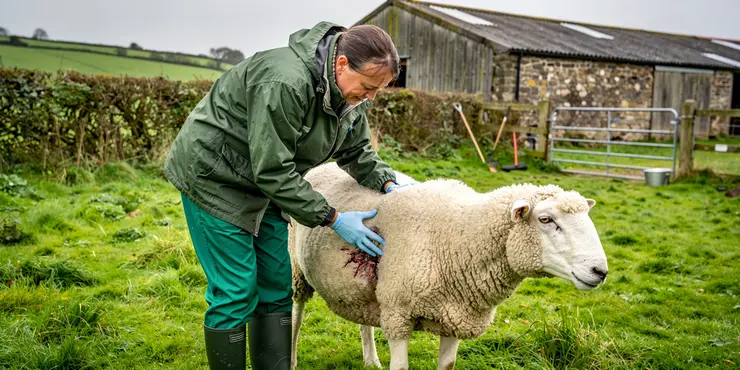
In livestock, such as cattle and sheep, screw worm infestation usually starts with a small wound where the flies lay their eggs. The most notable symptoms include an identifiable foul-smelling discharge from the wound, as the larvae begin to eat into the tissue. Affected animals might show signs of distress, irritation, and discomfort. Frequently, the animals will rub or scratch the affected area, trying to relieve themselves from the constant irritation. The wound appears larger over time and may attract secondary bacterial infections, leading to increased discharge and even more severe tissue damage.
As the infestation progresses, the animals may exhibit signs of systemic illness due to the secondary infections, such as fever, loss of appetite, lethargy, and in severe cases, death if left untreated. Additionally, the maggots may be visibly crawling in and out of the wound, which can be visually striking and alarming for anyone inspecting the animal.
Symptoms in Humans
While not as common, screw worm infestations in humans can occur, particularly in rural or unsanitary conditions. The symptoms in humans similarly start with an infected wound, often a small cut or sore, which becomes the site for egg laying. As the larvae hatch, they burrow into the skin, causing a painful, enlarging ulcer that may be accompanied by a foul odor. The infested area can become red, swollen, and painful to the touch.
Other symptoms include a creeping sensation within the skin, as the larvae are active, and patients might notice visible movement. If the infestation site is near vital areas, such as the eyes or ears, it can lead to more severe health consequences, including potential vision or hearing loss if the infestation is not promptly treated.
Like animals, humans with screw worm infestations may also suffer systemic symptoms if the condition is not addressed, including fever and a generalized feeling of malaise.
Conclusion
Recognizing the symptoms of screw worm infestation is vital, though fortunately rare in the UK. Early detection and medical intervention are key to preventing widespread tissue damage in both animals and humans. Proper wound management and sanitation are essential preventive measures for this condition, especially when traveling to high-risk areas where screw worm may be more prevalent.
What Are the Signs of a Screw Worm Problem?
Screw worm problems are serious and can hurt animals and people. Knowing the signs early helps make treatment work better and stops more harm. Screw worms come from the baby flies of a bug called the New World screw worm fly, Cochliomyia hominivorax. These bugs get into living tissues. Even though they're not in the UK now, it's good to know the signs, mainly if you travel.
Signs in Farm Animals
For animals like cows and sheep, screw worms start with a small cut where the flies lay eggs. The signs are a bad smell from the cut as the worms eat the flesh. Animals can look upset and scratch or rub the sore area because it bothers them. The wound gets bigger and might get more infections with even more bad-smelling liquid.
If it gets worse, animals might get sick from these other infections. They may have a fever, not want to eat, feel tired, and could die if not helped. You might also see the worms moving around in the wound, which can be scary.
Signs in People
Though it’s not common, people can also get screw worms, especially in places with poor sanitation. It starts with a cut or sore where eggs are laid. The worms grow in the skin, causing a painful sore that smells bad. The sore area can also be red, puffy, and hurt when touched.
People might feel the worms moving under the skin, which is creepy. If the worms are near important areas like eyes or ears, it can be very serious. It can even hurt vision or hearing if not treated quickly.
Like animals, people can also feel sick with fever if the screw worms are not dealt with.
Conclusion
It's important to know screw worm signs, even if it’s rare in the UK. Finding it early and getting medical help stops more harm to both animals and people. Keeping cuts clean and safe is key to preventing this problem. This is especially true for places where screw worms are more common.
Frequently Asked Questions
Screw worm infestation occurs when the larvae of the screw worm fly infest a wound or opening on a living animal, feeding on the living tissue.
The primary symptoms include irritation, discharge from the wound, foul odor, and swelling around the site of infestation.
Screw worm infestation can cause severe tissue damage, secondary infections, and in severe cases, can lead to the death of the host animal.
Screw worms primarily infest animals, but they can also infest humans, particularly in untreated wounds or exposed tissues.
A screw worm-infested wound may appear swollen, red, and may have larvae or maggots visible within the wound, accompanied by a foul odor.
An animal with a screw worm infestation may exhibit signs of discomfort, such as restlessness, excessive licking or biting at the wound, and reduced appetite.
In severe cases, animals may show systemic signs such as lethargy, fever, and weight loss due to the stress and damage caused by the infestation.
Symptoms can appear relatively quickly, often within a few days of the initial infestation, as the larvae feed and grow rapidly.
Yes, early detection and treatment with appropriate wound care and possibly insecticide treatment can control the infestation and aid healing.
Yes, a distinctive foul odor often accompanies screw worm infestations due to tissue decay and the presence of maggots.
Yes, secondary bacterial infections are common in screw worm infestations due to tissue damage and exposure of the wound.
Domestic livestock, such as cattle, sheep, and goats, are commonly affected, though wild animals and other pets can also be at risk.
Warm, humid climates and areas where screw worm flies are prevalent increase the risk of infestation.
Effective fly control measures, such as topical insecticides and maintaining animal cleanliness, can help prevent infestations.
Screw worm larvae typically infest open wounds but can also develop in body openings such as the nose or mouth if damaged tissue is present.
Screw worm larvae are typically creamy-white and segmented, usually ranging from 1/4 to 1/2 inch in length, with distinctive tapered ends.
Infestations are more common in warm seasons but can occur year-round in tropical regions.
Yes, the feeding action of the larvae causes significant pain and discomfort to the affected animal.
Infestations can lead to decreased weight gain, reduced milk production, and, in severe cases, can be fatal, significantly impacting productivity.
Seek veterinary assistance immediately for proper diagnosis and treatment to prevent further complications.
Screw worm problems happen when baby screw worms from a fly go into a cut or open place on an animal. They eat the animal's skin and tissue.
The main signs to look out for are redness, wet stuff coming out of the sore, bad smell, and puffiness around where the problem is.
Screw worm infestation is when worms get into an animal's body. These worms can hurt the animal's skin and body tissues very badly. They can also cause other infections. If it gets really bad, the animal might die.
Screw worms usually bother animals. But they can also bother people. This happens if someone has a cut or open skin that isn't treated.
A wound with screw worms can look puffy and red. You might see tiny worms or maggots in the wound, and it might smell bad.
If an animal has screw worms, it might not feel good. It could move around a lot, lick or bite at the sore spot, and not want to eat much.
When the problem is really bad, animals can look very tired. They might also get a fever, which means their body is too hot. They could also lose weight because the problem makes them feel bad.
Signs can show up fast, sometimes just a few days after it starts. This happens because the baby bugs eat and get bigger quickly.
Yes, finding a problem early and getting the right care will help. Taking care of the wound and using special medicine for bugs can stop the problem and help it get better.
Here are some tips to help:
- Check the problem area often.
- Clean the wound gently.
- Ask a doctor or nurse for help if needed.
Yes, screw worm problems usually have a bad smell. This happens because the tissue is rotting and there are maggots.
Yes, when screw worms make you sick, they can make other bacteria cause infections too. This is because they hurt your skin and leave it open.
Animals like cows, sheep, and goats can get sick. Wild animals and other pets can also sometimes get sick.
Maggots like warm and wet places. They are more common in places where screw worm flies live. In these places, it is easier for maggots to get into animals or people.
To help understand this, you can use pictures showing places with the flies and what to do. Talking to someone about it can also help.
To keep away flies, it's good to use special sprays. Make sure animals stay clean too. This can stop lots of flies from coming.
Screw worm babies, called larvae, like to go into open cuts and wounds. They can also go into places like the nose or mouth if there is hurt tissue.
Screw worm larvae are a type of small, white worm. They have segments, or lines, across their bodies. They are about the size of a small paperclip. The ends of their bodies are pointy.
Bugs and pests usually come when it's warm. But if you live in a hot place, they can stay all year long.
Yes, the larvae (baby insects) feeding can hurt the animal and make it feel uncomfortable.
Having too many pests can make animals sick. They might not gain weight or give as much milk. Sometimes, if it's really bad, the animals can die. This is not good for farms.
To help understand this, you can use pictures or videos. These can show how pests can harm animals.
Go to the animal doctor right away. They can check what is wrong and help your pet get better. This stops things from getting worse.

Ergsy Search Results
This website offers general information and is not a substitute for professional advice.
Always seek guidance from qualified professionals.
If you have any medical concerns or need urgent help, contact a healthcare professional or emergency services immediately.
Some of this content was generated with AI assistance. We've done our best to keep it accurate, helpful, and human-friendly.
- Ergsy carefully checks the information in the videos we provide here.
- Videos shown by Youtube after a video has completed, have NOT been reviewed by ERGSY.
- To view, click the arrow in centre of video.
- Most of the videos you find here will have subtitles and/or closed captions available.
- You may need to turn these on, and choose your preferred language.
- Go to the video you'd like to watch.
- If closed captions (CC) are available, settings will be visible on the bottom right of the video player.
- To turn on Captions, click settings.
- To turn off Captions, click settings again.