
Get Answers
Not Understanding Fees and Charges
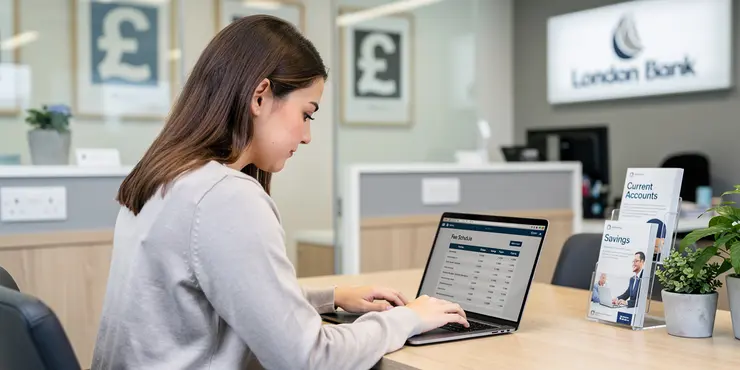
When switching banks, one common mistake is not fully understanding the fees associated with your new account. Many banks advertise low fees, but hidden costs can exist.
Take the time to read the fee schedule thoroughly. Look for charges related to overdrafts, transfers, or ATM usage that may not be immediately apparent.
Failing to Compare Interest Rates
Another mistake is neglecting to compare interest rates. This is important for both savings and loans.
A small difference in interest rates can significantly impact your savings growth or loan repayment amounts over time.
Overlooking Customer Service Quality
Customer service is crucial when dealing with banking issues, yet it is often overlooked during the bank switching process. Poor service can lead to frustration and delays.
Research online reviews and ask friends about their experiences with a bank's customer service before making the switch.
Not Using the Current Account Switch Service
The Current Account Switch Service in the UK is a free tool designed to make bank switching simple and quick. Failing to use this service can lead to complications.
Utilising this service ensures that your direct debits, standing orders, and payments are automatically transferred without hassle within seven days.
Forgetting to Update Payment Details
After opening a new account, forgetting to update your payment information can cause issues. Essential updates include salary, bills, and subscriptions.
Ensure that all regular payments are redirected to your new account to avoid missed payments or service disruptions.
Not Closing Your Old Account
Leaving your old bank account open can lead to unnecessary fees. Some banks charge maintenance fees even if the account is inactive.
Once your new account is active, close the old one to avoid these charges and reduce the risk of fraud.
Choosing a Bank Based Only on Incentives
Banks often offer attractive incentives to entice new customers. Cash bonuses or rewards can be appealing, but they shouldn't be your only deciding factor.
Consider the long-term benefits and features of the bank. Incentives might not cover potential inconveniences or higher fees.
Ignoring the Impact on Your Credit Score
Switching banks can also impact your credit score, particularly if it involves closing an account with a long credit history.
Check how the switch may affect your score and plan accordingly to maintain or improve your credit standing.
Frequently Asked Questions
People often neglect to research and compare fees associated with accounts, which can result in unexpected costs. It's important to look for annual fees, ATM fees, overdraft fees, and transaction fees.
Without checking ATM availability, you might face inconvenient access to cash or incur extra charges for using out-of-network ATMs. Always verify the ATM network coverage for your new bank.
Failing to update automatic payments may result in missed payments and potential penalties or late fees. Ensure all auto-pay arrangements are transferred to your new account.
Not considering minimum balance requirements could lead to fees if your account balance falls below the required minimum. Always check these conditions before switching.
Closing an account too soon can cause issues if any transactions or debits are still pending. Wait until all transactions are settled and confirmed before closing your old account.
Failing to fully understand the new bank’s policies might result in unexpected restrictions or charges. Familiarize yourself with new terms and conditions to avoid surprises.
People often overlook the interest rates, which may impact the growth of their savings. Compare rates to secure the best return on your deposits.
Poor customer service can lead to frustration and unresolved issues. Research and consider customer service ratings and reviews of the new bank.
Not reviewing online banking features can lead to dissatisfaction if the digital platform lacks functionality or ease of use. Test these features first.
Having convenient access to a physical branch is important for some transactions. Ensure that the new bank has local branches or that app services meet all your needs.
Short-term promotions might not provide long-term benefits. Always weigh introductory offers against ongoing fees and services.
Without proper communication, you might miss essential information regarding closure procedures or final balances. Always inform your old bank and follow their process.
If the new bank's transfer and deposit methods don't align with your needs, it could hinder your ability to manage money efficiently. Assess their methods first.
Ignoring the small print can lead to unexpected responsibilities or penalties. Always read the full account agreement to understand all conditions and policies.
Failing to update your employer can result in delayed or lost paychecks. Be proactive in providing your new account information for direct deposits.
Without notifications, you might miss important account activity or alerts about fraud, fees, or balances. Set up alerts for peace of mind.
Mistiming your switch could coincide with bill payments or direct deposits, causing disruptions. Schedule your switch at a less critical time in your financial cycle.
Not keeping a record can complicate tracking pending transactions or understanding any discrepancies. Maintain a list of recent account activities for reference.
If a bank doesn't insure your deposits, you could lose money in a bank failure. Confirm that your new bank is FDIC-insured to protect your funds.
Switching banks can involve various costs, such as losing interest or incurring fees during the transition. Consider these factors to determine if switching is financially beneficial.

Ergsy Search Results
This website offers general information and is not a substitute for professional advice.
Always seek guidance from qualified professionals.
If you have any medical concerns or need urgent help, contact a healthcare professional or emergency services immediately.
Some of this content was generated with AI assistance. We've done our best to keep it accurate, helpful, and human-friendly.
- Ergsy carefully checks the information in the videos we provide here.
- Videos shown by Youtube after a video has completed, have NOT been reviewed by ERGSY.
- To view, click the arrow in centre of video.
- Most of the videos you find here will have subtitles and/or closed captions available.
- You may need to turn these on, and choose your preferred language.
- Go to the video you'd like to watch.
- If closed captions (CC) are available, settings will be visible on the bottom right of the video player.
- To turn on Captions, click settings.
- To turn off Captions, click settings again.