
Get Answers
Your Rights During the Eviction Process in the UK
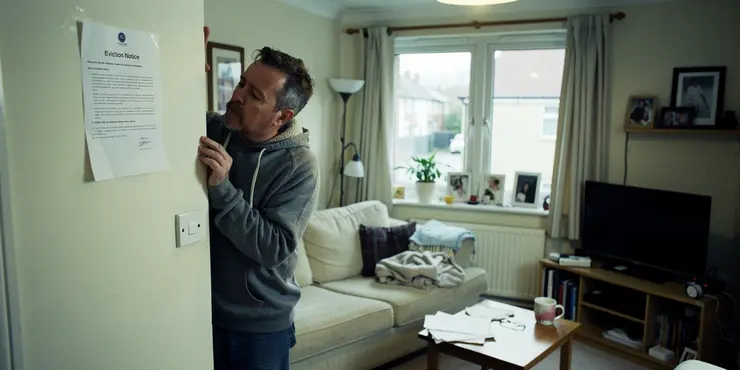
Facing eviction can be a stressful experience, but it's important to know that as a tenant in the UK, you have specific rights that protect you during this process. Understanding these rights is crucial in ensuring that any eviction process is conducted fairly and legally.
Notice Requirements
Your landlord must follow the proper protocol before evicting you, which includes serving you a valid notice. For Assured Shorthold Tenancies (ASTs), landlords usually serve either a Section 21 or Section 8 notice. A Section 21 notice does not require a reason for eviction, but it must comply with specific regulations, such as providing at least two months’ notice. On the other hand, a Section 8 notice is used when the tenant has breached the tenancy agreement, such as being in arrears or causing damage to the property.
Challenge an Eviction Notice
As a tenant, you have the right to challenge an eviction notice if you believe it’s been served improperly or unfairly. This could involve disputing the reasons cited in a Section 8 notice or highlighting any procedural errors in a Section 21 notice. In such cases, seeking legal advice can help you understand your position and whether you might have grounds to contest the notice.
Due Process
Even after being served with a notice, you do not have to leave your home immediately. A landlord cannot forcibly remove you from the property without a court order. If you do not vacate the property by the end date specified in the notice, the landlord must apply to the court for a possession order. You have the right to attend the court hearing, present your case, and provide evidence to the judge.
Illegal Eviction and Harassment
It is illegal for a landlord to try and evict you without following the correct legal process. Actions such as changing locks, removing your belongings, or harassing you into leaving are against the law. If you experience any form of illegal eviction or harassment, you can contact local housing authorities or organisations like Shelter for support and possibly take legal action against your landlord.
Get Support
If you're facing eviction, it's important to seek help as soon as possible. There are numerous resources available, such as legal aid services and housing charities like Shelter and Citizens Advice, which offer guidance and support. These organisations can provide you with advice specific to your situation and help you navigate the complexities of the eviction process. Remember, knowing your rights and acting on them can make a significant difference in how the situation is resolved.
Your Rights During the Eviction Process in the UK
Being told to move out of your home can be very upsetting. But it is important to know that you have rights as a renter. These rights protect you and make sure everything is done fairly and legally.
Notice Requirements
Your landlord must do certain things before asking you to leave. They have to give you a notice. For many types of rental agreements, called Assured Shorthold Tenancies, there are two types of notices:
- Section 21 notice: This means the landlord doesn’t need a reason to ask you to leave, but they have to give you at least 2 months’ notice.
- Section 8 notice: This is used if they say you broke the rental agreement, like not paying rent or damaging the place.
Challenge an Eviction Notice
If you think the notice is wrong or not fair, you can challenge it. This means you can tell someone you think there is a mistake. It's a good idea to get help from a legal adviser. They can help you understand if you can fight the notice.
Due Process
Even if you get a notice, you don’t have to leave your home right away. Your landlord cannot make you leave without a court order. If you stay after the notice ends, the landlord must ask the court to make you leave. You can go to the court and explain your side.
Illegal Eviction and Harassment
Your landlord cannot make you leave without following the right steps. They can't change the locks, take your things, or try to scare you into leaving. This is against the law. If this happens, you can get help from local housing offices or groups like Shelter, and you might be able to take legal action.
Get Support
If you are facing eviction, get help quickly. There are places that can help you, like legal aid services, Shelter, and Citizens Advice. They can give you advice for your situation. Knowing and using your rights can help you a lot.
Frequently Asked Questions
An eviction notice is a legal document from your landlord indicating they want you to leave the property. You should review it carefully, check for any errors, and consider seeking legal advice or contacting local tenant advocacy groups.
The amount of notice varies by state or country and depends on the reason for eviction. Typically, it ranges from a few days to several weeks.
No, landlords generally cannot legally evict a tenant without obtaining a court order following due legal process.
Retaliatory eviction is when a landlord tries to evict a tenant for exercising their legal rights, such as complaining about unsafe conditions. This type of eviction is often illegal.
Some jurisdictions have eviction protections for non-payment of rent, particularly during emergencies. You should check local laws for specific protections.
If you receive an illegal eviction notice, document everything and contact a tenant lawyer or local tenant union for legal advice.
Yes, but usually only for specific reasons like violating lease terms, non-payment of rent, or illegal activities on the premises.
A self-help eviction occurs when a landlord tries to remove a tenant without a court order, for example, by changing locks or shutting off utilities, which is illegal in many places.
You can present evidence and arguments showing that the eviction is unjustified, such as disputing claims of lease violations or proving timely rent payments. Legal assistance is recommended.
If the landlord wins, you'll usually be given a set amount of time to move out. If you don't leave by then, the landlord may get a court order for forceful eviction.
Yes, negotiating with your landlord is often recommended. You might discuss payment plans or resolve the issues that led to the eviction notice.
Tenants often have a limited time to reclaim their possessions after an eviction. The timeframe and process vary by jurisdiction.
Yes, many areas offer rental assistance programs to help tenants avoid eviction. You can often find information through local government websites or social services.
Yes, if your lease explicitly prohibits pets, having one can be a violation and grounds for eviction unless you negotiate an exception with your landlord.
If you suspect discrimination, document everything and file a complaint with your local housing authority or consult a lawyer specializing in discrimination cases.
Possibly. Depending on the reason for the eviction, paying rent late might not stop the process if other violations are claimed. Always confirm with your landlord or seek legal guidance.
Tenants have the right to defend themselves in court, present evidence, and call witnesses. It is advisable to have legal assistance.
In some areas, landlords can evict tenants for substantial renovations, but they often must provide ample notice or relocation assistance, depending on local laws.
A 'pay or quit' notice is an eviction notice demanding that a tenant pay overdue rent or vacate the premises within a specified period.
Eviction processes for subsidized housing often involve additional steps and protections for tenants, as compliance with both local and federal regulations is required.
An eviction notice is a paper from your landlord saying they want you to move out. Read it carefully, look for any mistakes, and think about asking a lawyer for help or talking to groups that help renters.
The time you get to move out can be different depending on where you live. It also depends on why you have to move out. Usually, you get a few days to a few weeks' notice.
No, landlords cannot make a tenant leave without first going to court and getting permission.
Retaliatory eviction is when a landlord tries to make a tenant leave because the tenant spoke up about their legal rights. This can happen if the tenant complained about things being unsafe. This kind of eviction is often against the law.
Some places have rules to help if you can't pay rent, especially in emergencies. Check local rules to see what help you can get.
If you get a letter that says you have to leave your home, but it doesn't seem right, write down what happens and talk to a lawyer who helps renters or a local group that helps renters for advice.
Yes, but mainly for special reasons. These reasons could be: breaking the rules of the rental agreement, not paying rent, or doing illegal things where you live.
If you need help understanding this, you can:
- Ask someone you trust to explain it to you.
- Use an online dictionary to understand hard words.
- Write notes or draw pictures to help remember.
A self-help eviction is when a landlord tries to make a tenant leave without asking a court first. This can happen if the landlord changes the locks or turns off the water or electricity. In many places, doing this is against the law.
You can show proof and reasons why being forced to leave is not fair. You can say the rules were not broken or show you paid rent on time. It is a good idea to get help from a lawyer.
If the landlord wins, you will have a certain amount of time to move out. If you don't leave in that time, the landlord can ask the court to make you leave.
Yes, it is a good idea to talk with your landlord. You can talk about how to pay your rent or fix the problems that caused the eviction notice.
After someone is evicted, they sometimes have only a short time to get their things back. The time and rules for this can be different depending on where you live.
Helpful tip: You can ask for help from someone you trust, like a family member or friend, to understand the rules better. You can also use a calendar to keep track of the days.
Yes, many places have programs to help people pay their rent. This can stop them from losing their homes. You can find help on local government websites or by talking to social services.
If your lease says no pets, you might get in trouble if you have one. Your landlord could ask you to leave. But you can talk to your landlord and ask if you can keep a pet.
If you think someone is treating you unfairly, write down everything that happens. You can tell a local housing office or talk to a special lawyer who knows about unfair treatment.
You might still have to move out. If you pay rent late, it might not stop your landlord from asking you to leave. This can happen if you broke other rules too. Talk to your landlord to find out more or get help from a lawyer.
People who rent homes can go to court to tell their side of the story. They can show proof and ask people to talk for them. It is a good idea to have a lawyer help them.
Sometimes, people who own homes can ask renters to move out if they need to do big changes to the house. But they usually must tell renters early or help them find a new place to live. This depends on the rules where you live.
A 'pay or quit' notice is a letter that tells a person renting a home to pay their late rent or move out by a certain date.
Getting evicted from homes with money help from the government can be slower. Extra steps and rules keep people safe. These rules come from local and national places.
For help with reading, you can use tools like audiobooks or apps that read text out loud.

Ergsy Search Results
This website offers general information and is not a substitute for professional advice.
Always seek guidance from qualified professionals.
If you have any medical concerns or need urgent help, contact a healthcare professional or emergency services immediately.
Some of this content was generated with AI assistance. We've done our best to keep it accurate, helpful, and human-friendly.
- Ergsy carefully checks the information in the videos we provide here.
- Videos shown by Youtube after a video has completed, have NOT been reviewed by ERGSY.
- To view, click the arrow in centre of video.
- Most of the videos you find here will have subtitles and/or closed captions available.
- You may need to turn these on, and choose your preferred language.
- Go to the video you'd like to watch.
- If closed captions (CC) are available, settings will be visible on the bottom right of the video player.
- To turn on Captions, click settings.
- To turn off Captions, click settings again.