
Get Answers
Introduction to Cannabis Extraction
Cannabis extraction refers to the process of isolating desired compounds like cannabinoids and terpenes from the cannabis plant. These extracts are used for various purposes, such as medicinal, recreational, and product manufacturing. In the UK, where cannabis legality is primarily restricted to medicinal and research applications, understanding extraction methods is crucial for compliance and safety.
Common Methods for Cannabis Extraction
1. Solvent-Based Extraction
One of the most popular methods for cannabis extraction involves using solvents. These chemical solvents dissolve the desirable compounds from the plant material.
Butane Hash Oil (BHO): This method employs butane as the primary solvent to extract cannabinoids and terpenes. Known for producing a highly potent extract, BHO requires careful handling due to butane’s flammability. This method often results in products known as shatter, wax, or crumble.
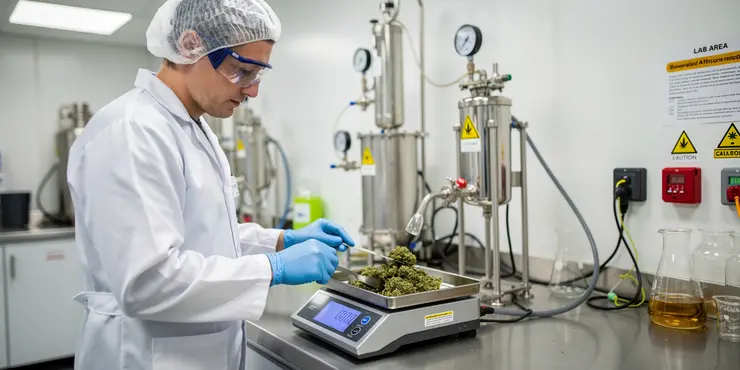
CO2 Extraction: Supercritical CO2 extraction has gained popularity due to its efficiency and safety, as it uses carbon dioxide at high pressure and low temperature to act as a solvent. It’s highly effective at separating cannabinoids without leaving harmful residues. This method is widely regarded in the industry for producing high-quality extracts.
Ethanol Extraction: Ethanol is another solvent used frequently in cannabis extraction. It is known for its ability to extract a wide range of cannabinoids and terpenes effectively. Ethanol is considered safe when properly purged from the final product, making it a popular choice for creating tinctures and other consumable products.
2. Solventless Extraction
Solventless methods provide an alternative to solvent-based techniques, using mechanical processes instead of chemicals.
Rosin Pressing: This method involves using heat and pressure to extract resinous sap from the cannabis plant. A rosin press is used to squeeze cannabis flowers or hash between heated plates, resulting in a clean, solvent-free extract.
Ice Water Hash: Also known as bubble hash, this technique uses ice water and agitation to separate trichomes from plant material. The result is a concentrate that can be further refined for higher purity.
Conclusion
Whether using solvent-based or solventless methods, cannabis extraction requires attention to detail and a commitment to safety. Understanding the advantages and drawbacks of each method allows producers to create high-quality extracts aligned with legal standards and consumer expectations. In the UK, licensed operations must ensure compliance with medicinal regulations to provide safe and effective products.
Introduction to Cannabis Extraction
Cannabis extraction is about taking important parts out of the cannabis plant. These parts include things like cannabinoids and terpenes, which can be used for medicine or other products. In the UK, cannabis is mostly used for medicine and research, so it's important to know how to do this process safely and legally.
Common Methods for Cannabis Extraction
1. Solvent-Based Extraction
This way of getting parts out of the plant uses chemicals called solvents. These solvents help dissolve the good parts of the plant.
Butane Hash Oil (BHO): This method uses a chemical called butane to get things like cannabinoids and terpenes out of the plant. Butane can catch fire easily, so you have to be very careful. The result is a strong extract sometimes called shatter, wax, or crumble.
CO2 Extraction: This method uses a gas called carbon dioxide with high pressure and low temperature to get parts from the plant. It’s safe and doesn’t leave bad leftovers. This method is known for making good quality extracts.
Ethanol Extraction: Ethanol is another solvent used a lot in this process. It’s good at getting a lot of cannabinoids and terpenes. Ethanol is safe if it is removed well from the end product. It’s often used to make things like tinctures, which are liquids you can take.
2. Solventless Extraction
Solventless methods don't use chemicals. They use machines instead.
Rosin Pressing: This way uses heat and pressure to squeeze out the sap from the cannabis plant. A rosin press pushes the plant between hot plates, making a clean extract without chemicals.
Ice Water Hash: Also called bubble hash, this uses cold water and movement to shake off trichomes from the plant. It makes a concentrate that can be cleaned more for better quality.
Conclusion
Both solvent-based and solventless ways need careful work and focus on safety. Knowing what makes each way good or bad helps make great products. In the UK, places that make these products need to follow the law for making safe and effective medicine.
Helpful Tools:
- Use simple drawing or picture guides to help understand the process.
- Watch educational videos for clearer examples.
- For reading support, text-to-speech applications can be useful.
Frequently Asked Questions
The cannabis extraction process involves separating the active compounds, like cannabinoids and terpenes, from the cannabis plant to create a concentrated form.
Common methods for making cannabis extract include solvent-based extraction, CO2 extraction, and mechanical methods like dry sifting and rosin pressing.
Solvent-based extraction uses chemicals like ethanol, butane, or propane to dissolve cannabinoids and terpenes from the cannabis plant, creating a concentrated extract.
CO2 extraction uses supercritical carbon dioxide as a solvent to pull cannabinoids and terpenes from the cannabis plant. It is known for being clean and producing high-quality extracts.
Rosin pressing uses heat and pressure to extract cannabinoids and terpenes from cannabis flowers or hash without using solvents, resulting in a pure extract.
Dry sifting involves mechanically separating trichomes from the cannabis plant using screens to create a fine powder of concentrated resin known as kief.
BHO is a type of cannabis extract made using butane as a solvent, known for its potency and purity.
Ethanol is a polar solvent that extracts a broader range of compounds, whereas butane is non-polar and more selective, typically yielding a more potent extract.
Solventless extracts, such as those made by rosin pressing, are often considered purer because they do not contain residual solvents, but the quality depends on the method and material used.
CO2 extraction is considered safe and is commonly used in the food and medical industries because it leaves no residual solvents and produces high-quality extracts.
Temperature is crucial because it affects the efficiency of extraction and the integrity of cannabinoids and terpenes, which can degrade at high temperatures.
Full-spectrum cannabis extract contains a wide range of cannabinoids and terpenes found in the plant, providing a more comprehensive therapeutic effect.
CO2 extraction requires specialized equipment, including a CO2 extractor, pumps, and separators to hold the plant material and process the extract.
Distillation is used to further purify cannabis extracts by removing impurities and isolating specific cannabinoids, such as THC or CBD.
Terpenes are aromatic compounds found in cannabis that contribute to the plant's aroma and flavor and may enhance the effect of cannabinoids.
Cannabis extraction with olive oil involves infusing dehydrated cannabis in warm olive oil to release the cannabinoids, resulting in a mild concentrate.
Ethanol extraction is efficient and can extract a full spectrum of cannabinoids and terpenes, though it may require further purification to remove chlorophyll.
In CO2 and rosin pressing extraction methods, pressure helps to convert CO2 to a supercritical state or squeeze out oils from cannabis, affecting the yield and purity.
Fractional distillation separates cannabis extract into its individual components by heating them to their specific boiling points, allowing for precise cannabinoid isolation.
Chromatography is used in cannabis extraction to purify and separate cannabinoids, ensuring the removal of unwanted compounds and enhancing extract quality.
The cannabis extraction process means taking out the important parts, like cannabinoids and terpenes, from the cannabis plant to make them stronger.
There are different ways to take out the important parts of the cannabis plant. These are:
- Using chemicals to help take out the parts.
- Using a special air process. This is called CO2 extraction.
- Using machines to squeeze or sift the plant. This is called dry sifting or rosin pressing.
For extra help, try breaking the steps into simple parts or using pictures to understand better.
Solvent-based extraction is a way to get things like cannabinoids and terpenes from the cannabis plant. It uses chemicals such as ethanol, butane, or propane. These chemicals help to dissolve the important parts of the plant and make a strong extract.
Here are some tools and tips to help:
- Use a dictionary to look up words you don't know.
- Ask a grown-up if you need help understanding.
- Write down any tricky words and practice reading them.
CO2 extraction uses a special kind of carbon dioxide to take good parts from the cannabis plant. This way is clean and makes very good extracts.
Rosin pressing is a way to get pure oil from cannabis. It uses heat and pressure instead of chemicals. This oil has special parts called cannabinoids and terpenes, which come from the plant flowers or hash.
Dry sifting is a way to get kief, which is a fine powder from cannabis. We do this by shaking the plant over screens to collect the tiny bits called trichomes. These bits are full of resin.
Tip: You can use pictures or videos showing how dry sifting works. This can help make the steps easier to understand.
BHO is a strong cannabis extract. People make it using a chemical called butane. It is very pure.
Ethanol is a type of liquid that can mix with many different things. Butane is a different kind of liquid that mixes with fewer things. It often makes a stronger liquid.
Solventless extracts, like the ones made by pressing rosin, are thought to be cleaner because they don't have leftover chemicals. But how good they are depends on how you make them and what you use.
CO2 extraction is safe. People use it a lot in food and medicine. It does not leave anything bad behind and makes very good products.
Temperature is important. It helps us get the most out of what we are extracting. If it gets too hot, it can hurt the important parts, like cannabinoids and terpenes. These parts can break down and not work well.
Full-spectrum cannabis extract has lots of different parts from the plant. These parts are called cannabinoids and terpenes. They work together to help people feel better.
If you find reading difficult, you can try using audiobooks or apps that read out text. Taking breaks and asking for help can also make reading easier.
CO2 extraction uses special machines. These machines are called a CO2 extractor, pumps, and separators. They help hold the plant material and make the extract.
Distillation is a way to clean cannabis extracts even more. It takes out the bad parts and keeps only the special parts, like THC or CBD.
Terpenes are special smells from cannabis plants. They make the plant smell and taste nice. They might also help cannabis work better.
Making cannabis oil with olive oil is simple. You mix dried cannabis with warm olive oil. This helps to get important parts called cannabinoids out of the cannabis. This makes a gentle cannabis oil.
Ethanol extraction works well to get many parts of the cannabis plant. It can get all the cannabinoids and terpenes. But sometimes, it needs more cleaning to take out the green stuff called chlorophyll.
In CO2 and rosin pressing, pressure helps in two ways. With CO2, pressure makes it supercritical, a special state. With rosin pressing, pressure squeezes oils out of cannabis. This affects how much and how pure the oil is.
Fractional distillation helps break down cannabis extract into different parts. It does this by heating each part until it boils. This way, each part can be separated exactly, including the special parts called cannabinoids.
Chromatography is a special way to clean and sort out different parts of cannabis.
It helps to take out bits we don't want and makes the cannabis extract better.

Ergsy Search Results
This website offers general information and is not a substitute for professional advice.
Always seek guidance from qualified professionals.
If you have any medical concerns or need urgent help, contact a healthcare professional or emergency services immediately.
Some of this content was generated with AI assistance. We've done our best to keep it accurate, helpful, and human-friendly.
- Ergsy carefully checks the information in the videos we provide here.
- Videos shown by Youtube after a video has completed, have NOT been reviewed by ERGSY.
- To view, click the arrow in centre of video.
- Most of the videos you find here will have subtitles and/or closed captions available.
- You may need to turn these on, and choose your preferred language.
- Go to the video you'd like to watch.
- If closed captions (CC) are available, settings will be visible on the bottom right of the video player.
- To turn on Captions, click settings.
- To turn off Captions, click settings again.