
Get Answers
The Benefits of Having Spiders in the Home
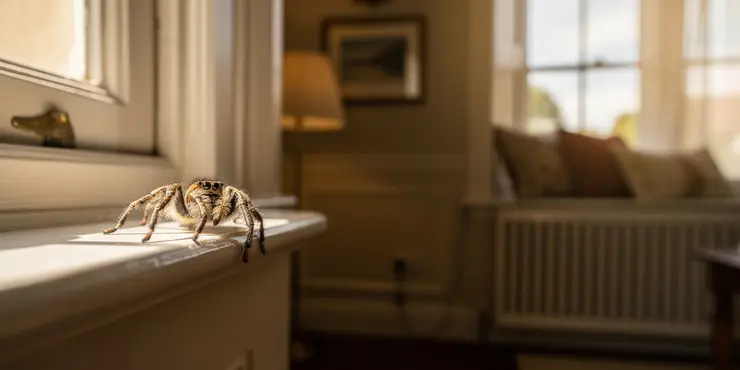
Spiders are often viewed with apprehension due to their appearance and unsettling presence. However, these arachnids can offer numerous advantages when found in UK homes, helping to balance the ecosystem and even benefiting human health indirectly.
Pest Control
One of the primary benefits of having spiders in the home is their natural role as pest controllers. Spiders predominantly feed on insects, which can include flies, mosquitoes, ants, and even cockroaches. By keeping these pest populations in check, spiders help to prevent infestations within households. This natural form of pest control reduces the need for chemical solutions, which can be more harmful to both human health and the environment.
Reduction of Disease Vectors
Many of the insects that spiders prey upon are known vectors for diseases. For instance, mosquitoes can carry diseases such as West Nile virus and malaria, while flies might transport bacteria that cause foodborne illnesses. By reducing the population of these insects, spiders indirectly contribute to lowering the risk of disease transmission in the home, providing a subtle yet crucial layer of defense for household inhabitants.
Ecological Balance
Spiders play a significant role in maintaining ecological balance, even within confined environments like a home. By controlling insect populations, they assist in preserving a healthy equilibrium between predator and prey. This balance ensures that no single species dominates the indoor ecosystem, which could otherwise lead to pest outbreaks. A balanced ecosystem within the home is less likely to require human intervention, such as sprays or traps, to manage pest populations.
Natural Biodiversity
Having spiders in the home can also contribute to maintaining natural biodiversity. Many species of spiders coexist peacefully with humans and adapting to this can cultivate an appreciation for diverse wildlife. The presence of spiders serves as a reminder of the interconnectedness of different species and the importance of each in sustaining a healthy environment.
Educational Opportunities
Spiders provide unique opportunities for educational experiences, particularly for children. Observing spiders can foster curiosity about nature and encourage learning about arachnid behavior and ecology. This knowledge can help dispel myths and reduce unnecessary fear, promoting a more harmonious coexistence with these fascinating creatures.
Conclusion
While spiders may not be welcomed by everyone, they bring valuable benefits into our homes. From serving as natural pest control agents to maintaining ecological balance, spiders play a crucial role in the home environment. Embracing their presence can lead to a healthier, more balanced living space, benefiting both humans and the broader ecosystem.
The Benefits of Having Spiders in the Home
Some people don't like spiders because they look scary. But spiders can be very helpful in the house. They help nature stay balanced and can even be good for us.
Pest Control
Spiders are great at eating bugs. They like to eat flies, mosquitoes, ants, and even cockroaches. This means they help keep the number of bugs down at home. With fewer bugs, we don't need to use as many bug sprays, which can be bad for us and nature.
Reduction of Disease Vectors
Some bugs can make us sick. For example, mosquitoes can carry bad illnesses, and flies can spread germs. Spiders eat these bugs, so they help stop sickness from spreading in our homes.
Ecological Balance
Spiders help keep nature balanced. They eat bugs, so no one type of bug gets out of control. This means our homes stay nice, and we don't need to use lots of bug traps or sprays.
Natural Biodiversity
Having spiders at home is good for nature. Lots of different types of animals, including spiders, make the world healthy and interesting. Spiders remind us that all creatures help each other and keep the planet healthy.
Educational Opportunities
Spiders are great for learning! Watching them can help kids learn about nature and lose their fear of spiders. Learning about spiders can be fun and help everyone understand them better.
Conclusion
Not everyone likes spiders, but they are very helpful. They eat pests and keep our homes balanced. Having spiders around can make our living spaces healthier for us and for nature. Embracing spiders can lead to a balanced and happy home.
Frequently Asked Questions
Spiders are natural pest controllers, reducing the number of other insects like flies, mosquitoes, and cockroaches in the home.
Spiders prey on common household pests, helping to limit their population without the use of chemicals.
Yes, spiders offer an eco-friendly way to manage household insect populations by naturally reducing the need for chemical pesticides.
Yes, by reducing the need for purchasing insecticides or hiring pest control services, having spiders can save you money.
Yes, many spider species feed on mosquitoes, helping to decrease their numbers indoors.
By reducing the number of insects that produce allergens, spiders indirectly contribute to improved indoor air quality.
Yes, the presence of spiders suggests that there is a balanced ecosystem indoors, as they help control insect populations.
Many spiders prey on flies, which can help in naturally reducing the number of flies indoors.
Spiders are part of the indoor ecosystem and contribute to biodiversity by maintaining balance and controlling other insect populations.
Some larger spiders can prey on cockroaches, playing a role in controlling their population.
While not all spider species are equally effective, most contribute to pest control by feeding on various insects.
Yes, observing spiders can offer children and adults alike a chance to learn about natural history, biology, and ecosystems.
By preying on insects like mosquitoes that can carry diseases, spiders help lower the risk of insect-borne diseases indoors.
Spiders are beneficial because they control pests naturally, contributing to a healthier home environment even if they are not aesthetically pleasing to everyone.
Some spiders do eat ants and can help manage ant problems indoors.
By reducing the number of insects that may cause or exacerbate allergies, spiders can positively affect household allergy symptoms.
Yes, spider webs are highly effective at capturing flying insects like flies and mosquitoes.
Yes, spiders help maintain ecological balance by controlling insect populations, thus preventing infestations.
While spiders do not typically prey on mites, they help reduce the population of larger insects that can carry mites into the home.
While you might not actively encourage them, allowing spiders to remain undisturbed can be beneficial for natural pest control.
Spiders help us by getting rid of other bugs. They catch insects like flies, mosquitoes, and cockroaches in your home.
Spiders eat bugs that can be found in the house. This stops the bugs from becoming too many. We do not need to use bug spray to get rid of them.
Spiders help keep insects away from our homes. This means we don't need to use as many bug sprays.
Yes, having spiders around can help you save money. You will need to buy less bug spray or pay for pest control.
Yes, many spiders eat mosquitoes. This helps to have fewer mosquitoes inside houses.
Spiders help us make the air inside better. They eat insects that can make us sneeze or feel itchy.
Yes, seeing spiders in your home means things are balanced. They help by eating other bugs.
Spiders eat flies. This can help keep flies away from your home.
Spiders live inside our homes. They help keep nature in balance by eating other bugs and insects.
Big spiders can eat cockroaches. This helps stop there being too many cockroaches around.
Most spiders help by eating bugs that bother us. Some spiders are better at this than others.
Yes, watching spiders can help kids and adults learn about nature, animals, and the world around us.
Spiders eat bugs like mosquitoes. Mosquitoes can make us sick. By eating mosquitoes, spiders help keep us healthy inside.
Spiders are good because they eat bugs and keep our homes healthy. They might not look nice to everyone, but they help us by getting rid of pests.
Some spiders eat ants, so they can help if you have too many ants inside your home.
Spiders can help with allergies in the house. They eat bugs that can make allergies worse.
Yes, spider webs are really good at catching bugs like flies and mosquitoes that fly in the air.
Yes, spiders are good because they eat lots of bugs. This helps keep everything in balance and stops too many bugs from being around.
Spiders do not usually eat mites. But spiders eat bigger bugs that can bring mites into the house. So, spiders help keep away bugs that carry mites.
If you need help reading, try using text-to-speech tools. They can read the words out loud for you. It's also helpful to use your finger or a ruler to follow the words as you read.
It can be good to leave spiders alone. They help by eating pests like flies.

Ergsy Search Results
This website offers general information and is not a substitute for professional advice.
Always seek guidance from qualified professionals.
If you have any medical concerns or need urgent help, contact a healthcare professional or emergency services immediately.
Some of this content was generated with AI assistance. We've done our best to keep it accurate, helpful, and human-friendly.
- Ergsy carefully checks the information in the videos we provide here.
- Videos shown by Youtube after a video has completed, have NOT been reviewed by ERGSY.
- To view, click the arrow in centre of video.
- Most of the videos you find here will have subtitles and/or closed captions available.
- You may need to turn these on, and choose your preferred language.
- Go to the video you'd like to watch.
- If closed captions (CC) are available, settings will be visible on the bottom right of the video player.
- To turn on Captions, click settings.
- To turn off Captions, click settings again.