
Get Answers
Introduction to the Meningococcal Vaccine
The meningococcal vaccine is crucial in protecting children against meningitis and septicaemia caused by the Neisseria meningitidis bacteria. These conditions can be life-threatening, making vaccination an important part of public health in the UK.
Recommended Age for Vaccination
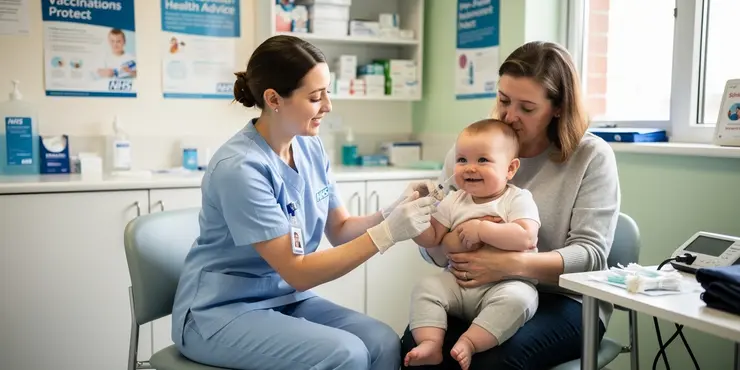
In the UK, the meningococcal vaccine is typically given to children as part of their routine immunisation schedule. The primary vaccine provided is the MenB vaccine, which is recommended to be administered to babies at 8 weeks of age, with a second dose at 16 weeks, followed by a booster at 1 year. This early vaccination schedule aims to protect infants and young toddlers, who are most at risk for serious meningococcal infections.
Additionally, the MenACWY vaccine is recommended for teenagers and first-year university students. This vaccine helps protect against four different types of meningococcal bacteria: A, C, W, and Y. The MenACWY vaccine is typically offered to adolescents at around 14 years of age, usually in school Year 9, as part of the routine school-based immunisation programme. A catch-up programme is also in place for older teenagers who missed their vaccination at school.
Importance of the Vaccine
The widespread administration of the meningococcal vaccine has significantly reduced the incidence of meningitis and septicaemia in children and young adults in the UK. Immunisation not only protects the individual but also helps prevent the spread of these diseases within the community, contributing to what's known as herd immunity.
Seeking Medical Advice
Parents are encouraged to ensure their children receive vaccinations on time. The UK's National Health Service (NHS) provides a vaccination schedule and additional information to parents and guardians. Queries or concerns about the vaccine can be addressed by contacting a local GP or health clinic, where healthcare professionals can provide personalised advice based on individual health needs.
Conclusion
Vaccinating children at the recommended ages is pivotal in safeguarding them from the severe implications of meningococcal diseases. Early planning and regular consultation with healthcare services ensure children receive their vaccinations when due. With continued adherence to the immunisation schedule, the UK aims to maintain low levels of meningococcal disease and protect public health.
About the Meningococcal Vaccine
The meningococcal vaccine helps keep children safe from two serious illnesses called meningitis and septicaemia. These illnesses can make children very sick. That is why it is important for children in the UK to get this vaccine.
When Should Children Get the Vaccine?
In the UK, babies get the MenB vaccine to protect them. The first dose is at 8 weeks old, then another dose at 16 weeks. A booster is given when they are 1 year old. This helps to keep babies and small children safe.
Older children also need a different vaccine called the MenACWY. This is for teenagers and students starting university. They usually get it when they are about 14 years old, in Year 9 at school. If someone missed it, they can still get it later.
Why is the Vaccine Important?
Getting the meningococcal vaccine helps stop children from getting very sick. It also helps keep other people from getting sick too. When many people get the vaccine, it makes everyone safer.
Talk to a Doctor
Parents should make sure their children get their vaccines at the right time. The NHS has a schedule to follow. If you have questions, you can talk to your doctor or go to a health clinic. They can give advice that is right for your child.
Final Thoughts
Giving children the vaccine when they are supposed to get it helps protect them from getting very sick. Planning ahead and talking to health services can make sure children get their vaccines on time. Doing this helps keep everyone healthy in the UK.
Frequently Asked Questions
Children should receive their first dose of the meningococcal conjugate vaccine at age 11 or 12.
Yes, a booster dose is recommended at age 16.
Yes, children as young as 2 months old may receive the vaccine if they are at increased risk of meningococcal disease.
Risk factors include certain medical conditions, travel to areas with high rates of meningococcal disease, or during an outbreak.
Many schools require the meningococcal vaccine for entry, particularly the dose received at age 16.
Yes, there are several types, including the meningococcal conjugate vaccines (MenACWY) and serogroup B meningococcal vaccines (MenB).
Yes, meningococcal vaccines are safe and effective for children and are recommended by health authorities.
Yes, it can be administered along with other vaccines scheduled for adolescents.
Yes, catch-up vaccination is recommended for teens and young adults who did not receive the vaccine at the recommended ages.
Parents should consult their child's healthcare provider to verify vaccination status and determine if vaccination is needed.
Yes, adults can receive the meningococcal vaccine if they are at increased risk or have not been previously vaccinated.
The serogroup B vaccine is not routinely recommended for all children, but it may be given to those at higher risk.
The vaccine is highly effective in preventing meningococcal disease caused by the strains it targets.
Common side effects include redness or swelling at the injection site, mild fever, or headache.
Yes, college students, especially those living in dormitories, are at increased risk and should be vaccinated.
No, the vaccine cannot cause meningitis as it does not contain live bacteria.
Protection from the meningococcal vaccine can vary, but a booster is recommended at age 16 for ongoing protection.
Yes, travelers to certain countries may be recommended or required to receive the meningococcal vaccine.
Meningococcal disease is a serious infection caused by the bacteria Neisseria meningitidis, leading to illnesses like meningitis and bloodstream infections.
The vaccine is important because it protects against a bacteria that can cause serious and potentially life-threatening infections.
Kids should get their first meningococcal vaccine when they are 11 or 12 years old.
Yes, it is important to get an extra vaccine when you are 16 years old.
Yes, babies who are 2 months old can get the vaccine. They get it if they might catch meningococcal disease and get sick.
Things that make it more likely you could get sick include having some illnesses, going to places where lots of people have meningococcal disease, or being there when many people are getting sick.
Many schools ask for a special vaccine called the meningococcal vaccine. Kids usually get this vaccine when they are 16 years old.
Yes, there are different types of vaccines. Some are called meningococcal conjugate vaccines (MenACWY) and others are called serogroup B meningococcal vaccines (MenB).
To help understand, you can use tools like picture cards or online videos. Having someone read with you might also be helpful.
Yes, meningococcal vaccines are safe and work well for children. Health experts recommend them.
Yes, you can get this vaccine with other vaccines for teenagers.
Yes, it is a good idea for teens and young adults to get the vaccine if they did not get it when they were younger.
Parents should ask their child's doctor to check if their child has all their shots. The doctor can tell if the child needs any more shots.
Yes, grown-ups can get the meningococcal vaccine. They should get it if they are at risk or have never had the vaccine before.
The group B vaccine is not given to all children. But some kids might need it if they are more at risk of getting sick.
The vaccine works really well to stop people from getting sick from certain types of meningococcal disease, which it is made to fight.
Common side effects are when your body might feel a little different after you get a shot. Your arm might get red or puff up where you got the shot. You might feel a little hot, like you have a mild fever, or you could get a headache.
Here are some tools to help you feel better:
- Put a cool, wet cloth on the red or puffy part of your arm.
- Drink lots of water to help the mild fever or headache.
- Rest if you feel tired.
Yes, college students, especially those living in dorms, have a higher chance of getting sick. They should get a vaccine to stay healthy.
No, the vaccine cannot give you meningitis because it doesn't have live germs.
The meningococcal vaccine helps keep you safe from getting sick. But, it might not last forever. Doctors say it's a good idea to get another shot when you are 16 years old to stay safe.
Yes, if you are going to some countries, you might need to get a vaccine to help keep you safe from a sickness called meningococcal.
Meningococcal disease is a serious sickness. It is caused by tiny germs called Neisseria meningitidis. This sickness can lead to problems like meningitis and infections in the blood.
The vaccine helps keep you safe. It stops bad germs that can make you very sick. These germs can be dangerous and even cause big health problems.

Ergsy Search Results
This website offers general information and is not a substitute for professional advice.
Always seek guidance from qualified professionals.
If you have any medical concerns or need urgent help, contact a healthcare professional or emergency services immediately.
Some of this content was generated with AI assistance. We've done our best to keep it accurate, helpful, and human-friendly.
- Ergsy carefully checks the information in the videos we provide here.
- Videos shown by Youtube after a video has completed, have NOT been reviewed by ERGSY.
- To view, click the arrow in centre of video.
- Most of the videos you find here will have subtitles and/or closed captions available.
- You may need to turn these on, and choose your preferred language.
- Go to the video you'd like to watch.
- If closed captions (CC) are available, settings will be visible on the bottom right of the video player.
- To turn on Captions, click settings.
- To turn off Captions, click settings again.