
Get Answers
Introduction to Indefinite Prison Sentences
Indefinite prison sentences, such as the Imprisonment for Public Protection (IPP), were introduced in the UK to manage dangerous offenders. These sentences do not have a fixed end date, aiming to protect the public from serious harm.
Prisoners under an indefinite sentence can only be released when they no longer pose a threat. This decision is determined by the Parole Board based on risk assessment reports.
Focus on Punishment over Rehabilitation
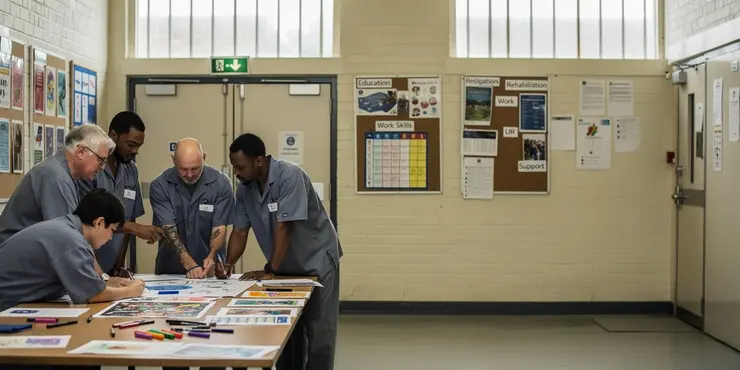
The primary focus of indefinite sentences is public safety, often emphasizing punishment and containment. Prisoners are incarcerated until they prove they are no longer a risk, which can overshadow rehabilitation efforts.
This approach can result in indefinite periods of imprisonment, as inmates struggle to demonstrate their reduced risk to society.
Challenges in Accessing Rehabilitation Programmes
Access to rehabilitation programmes for those serving indefinite sentences can be limited. Overcrowding and resource constraints mean that not all prisoners can participate in necessary courses to prove their rehabilitation.
The inability to access relevant programmes can hinder parole prospects, as demonstrating reduced risk is crucial for release consideration.
The Role of Rehabilitation in Release Decisions
While rehabilitation is vital, it plays a secondary role in release decisions for indefinite sentences. The Parole Board requires evidence of behavioural change, often leading to delays in release if rehabilitation is inadequate.
Successful completion of rehabilitation programmes is a strong indicator for the Parole Board. It suggests a commitment to change and a reduction in risk to public safety.
Efforts to Improve Rehabilitation Focus
Recent discussions highlight the need to improve rehabilitation opportunities for prisoners with indefinite sentences. Reform advocates argue for better programme availability and tailored interventions.
By enhancing access to rehabilitation, the goal is to facilitate safer and more timely reintegration of offenders into society.
Conclusion: Balancing Risk and Rehabilitation
Indefinite sentences in the UK reflect the balance between protecting public safety and offering prisoners the chance for rehabilitation. The emphasis has traditionally been on risk management.
However, increasing advocacy for rehabilitation suggests a shift towards integrating more comprehensive support services, ultimately aiming to benefit both offenders and society as a whole.
Frequently Asked Questions
An indefinite prison sentence is a type of sentence where the duration of imprisonment is not fixed, typically ensuring that a convict is released only when deemed safe.
Yes, rehabilitation can be a component of an indefinite prison sentence, as the goal is often to reduce the risk of reoffending.
Participation in rehabilitation programs can be a factor in parole reviews or evaluations to determine the appropriateness of release.
Programs can include educational courses, vocational training, substance abuse treatment, and therapy.
Parole boards or similar authorities typically decide, based on assessments of rehabilitation progress and threat to society.
While participation may not be mandatory, engagement in rehabilitation can positively influence parole decisions.
Yes, inmates can refuse, but refusal might impact their likelihood of parole or early release.
Rehabilitation progress is often evaluated during parole hearings, as successful rehabilitation can indicate reduced risk of recidivism.
Availability of programs varies by facility, but efforts are often made to offer some form of rehabilitation, especially in long-term facilities.
While direct influence is limited, family support can play a crucial role in an inmate's motivation and engagement in rehabilitation.
The primary aim is to prepare inmates for reintegration into society by reducing the risk of reoffending.
Effectiveness is often measured through recidivism rates, behavioral assessments, and successful completion of program goals.
Evaluation criteria can include completion of programs, behavioral change, psychological assessments, and risk evaluations.
Parole may be denied if there is still a perceived risk to public safety or if other factors, such as the nature of the original crime, weigh against release.
Yes, research generally supports that effective rehabilitation can reduce recidivism, but the impact can vary based on program quality and individual circumstances.
In some cases, if the inmate poses a high risk to society or has not shown any progress, rehabilitation might not influence release decisions.
Many facilities offer mental health support as part of rehabilitation, recognizing its importance in reducing recidivism.
The frequency of review varies, typically based on the original sentence terms and the policies of the correctional system or parole board.
Rehabilitation approaches can vary worldwide, with some countries emphasizing rehabilitative measures more strongly in their criminal justice systems.
Successful rehabilitation does not guarantee release, but it significantly boosts an inmate's chances of being considered for parole.

Ergsy Search Results
This website offers general information and is not a substitute for professional advice.
Always seek guidance from qualified professionals.
If you have any medical concerns or need urgent help, contact a healthcare professional or emergency services immediately.
Some of this content was generated with AI assistance. We've done our best to keep it accurate, helpful, and human-friendly.
- Ergsy carefully checks the information in the videos we provide here.
- Videos shown by Youtube after a video has completed, have NOT been reviewed by ERGSY.
- To view, click the arrow in centre of video.
- Most of the videos you find here will have subtitles and/or closed captions available.
- You may need to turn these on, and choose your preferred language.
- Go to the video you'd like to watch.
- If closed captions (CC) are available, settings will be visible on the bottom right of the video player.
- To turn on Captions, click settings.
- To turn off Captions, click settings again.