
Get Answers
What is a low BMI?
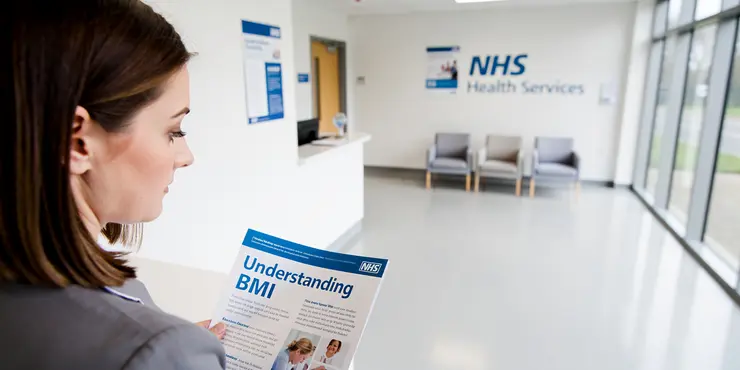
BMI, or body mass index, is a measure that compares your weight to your height. It is often used in the UK as a quick way to check whether someone is in a healthy weight range.
A low BMI usually means being underweight. For most adults, a BMI below 18.5 is classed as underweight, although BMI does not tell the full story on its own.
Can a low BMI be a health risk?
Yes, a low BMI can be linked to health risks. Being underweight may mean your body is not getting enough energy, protein, vitamins or minerals to function well.
In some cases, a low BMI can be a sign of an underlying health problem. This might include an eating disorder, thyroid issues, digestive conditions, or other illnesses that affect appetite or weight.
Possible effects on the body
People with a low BMI may feel tired, weak or dizzy. They may also find it harder to fight off infections, because poor nutrition can affect the immune system.
Low body weight can also affect bone health. Over time, being underweight may increase the risk of osteoporosis and fractures, especially in older adults.
In women, a very low BMI can affect periods and fertility. In men and women, it can also influence hormone levels and overall physical wellbeing.
When low BMI may not mean poor health
Some people naturally have a low BMI and are still healthy. This can be due to genetics, body shape, activity levels or a naturally small frame.
BMI also has limits. It does not show how much muscle someone has, where body fat is stored, or whether a person is getting enough nutrients.
When to speak to a GP
If you have lost weight without trying, or if you feel unwell, it is a good idea to speak to your GP. This is especially important if you have ongoing tiredness, poor appetite, stomach problems or changes in mood.
In the UK, your GP can check for possible causes and help you understand whether your weight is affecting your health. They may suggest blood tests, dietary advice or further support if needed.
Getting help and support
If low weight is linked to eating difficulties or anxiety around food, support is available. Your GP can refer you to a dietitian, mental health support or specialist services where appropriate.
Eating regular meals, choosing nutrient-rich foods and building strength gradually may help some people improve their health. The right advice depends on the cause, so personalised support is often the best next step.
Frequently Asked Questions
Low BMI health risk refers to the increased chance of medical problems when body mass index is below the normal range. It matters because underweight status can be linked to poor nutrition, weaker immunity, reduced bone strength, fatigue, and in some cases serious underlying illness.
Low BMI health risk in adults can be caused by inadequate calorie intake, eating disorders, chronic illness, malabsorption, thyroid problems, depression, high activity without enough nutrition, or medication side effects. Sometimes it reflects a combination of medical and lifestyle factors.
Symptoms associated with low BMI health risk can include fatigue, dizziness, feeling cold, frequent illness, hair thinning, menstrual irregularities, muscle loss, weakness, and trouble concentrating. Symptoms vary depending on the cause and severity.
Low BMI health risk is usually identified by calculating BMI using height and weight, then assessing symptoms, diet, medical history, and possible causes. A clinician may also order blood tests or other evaluations to check for nutritional deficiencies or underlying disease.
People at higher risk for low BMI health risk include those with eating disorders, chronic digestive conditions, cancer, thyroid disease, depression, substance use disorders, older adults with poor appetite, and individuals with limited access to food or nutrition.
Short-term effects of low BMI health risk may include low energy, weakness, poor concentration, higher susceptibility to infections, and reduced physical endurance. Severe underweight can also increase the risk of fainting and dehydration.
Long-term effects of low BMI health risk can include bone loss, infertility, muscle wasting, weakened immune function, delayed healing, and higher complication rates during illness or surgery. Persistent low BMI may also signal an untreated medical or mental health condition.
Low BMI health risk can negatively affect bone health because low body weight is often associated with lower bone density and less support for bone maintenance. This can raise the risk of fractures and osteoporosis, especially over time.
Yes, low BMI health risk can affect fertility and menstrual health. In women, low body weight may disrupt hormone production and lead to irregular periods or missed periods, which can reduce fertility. Men may also experience hormone-related reproductive changes.
Yes, low BMI health risk can weaken the immune system, especially if underweight status is related to poor protein or micronutrient intake. This can make it harder to fight infections and may slow recovery from illness.
Foods that help reduce low BMI health risk are nutrient-dense options such as nuts, nut butters, avocados, dairy products, eggs, lean proteins, whole grains, and calorie-rich smoothies. Small frequent meals can also help increase intake more comfortably.
A doctor can treat low BMI health risk by identifying and addressing the underlying cause, then recommending a nutrition plan, supplements if needed, and regular weight monitoring. If an eating disorder or mental health issue is involved, therapy and specialized care may be necessary.
Low BMI health risk is considered urgent if there is rapid weight loss, severe weakness, fainting, dehydration, chest pain, trouble eating, vomiting, or signs of a serious illness. Immediate medical evaluation is important if low weight is worsening quickly or causing severe symptoms.
Yes, low BMI health risk can often be improved or reversed when the cause is treated and healthy weight gain is supported with adequate calories, protein, and medical follow-up. Recovery may take time, especially if the condition has been present for a long period.
Low BMI health risk is closely related to being underweight, but the risk depends on more than BMI alone. A person with a low BMI may be healthy in some cases, but low BMI can also indicate nutritional deficiency, illness, or other concerns that need assessment.
Low BMI health risk can make recovery from illness or surgery harder because the body may have fewer nutritional reserves for healing and tissue repair. Underweight individuals may also be more vulnerable to complications and slower recovery times.
Yes, low BMI health risk can occur in children and teenagers and may affect growth, puberty, learning, and energy levels. It should be evaluated carefully because it can be caused by nutrition problems, medical conditions, or psychological concerns.
Tests used to find the cause of low BMI health risk may include blood counts, iron studies, thyroid tests, vitamin levels, inflammation markers, and digestive evaluations. The specific tests depend on symptoms, age, and medical history.
Low BMI health risk can be prevented by maintaining regular meals, eating enough calories and protein, monitoring unintentional weight loss, and seeking help early if appetite or digestion changes. Ongoing medical care is important when chronic illness or mental health issues are present.
Someone should seek medical advice about low BMI health risk if they are losing weight without trying, have symptoms like weakness or frequent illness, or have a BMI below the healthy range. Professional evaluation is also important if eating is difficult or there is concern about an underlying disorder.

Ergsy Search Results
This website offers general information and is not a substitute for professional advice.
Always seek guidance from qualified professionals.
If you have any medical concerns or need urgent help, contact a healthcare professional or emergency services immediately.
Some of this content was generated with AI assistance. We've done our best to keep it accurate, helpful, and human-friendly.
- Ergsy carefully checks the information in the videos we provide here.
- Videos shown by Youtube after a video has completed, have NOT been reviewed by ERGSY.
- To view, click the arrow in centre of video.
- Most of the videos you find here will have subtitles and/or closed captions available.
- You may need to turn these on, and choose your preferred language.
- Go to the video you'd like to watch.
- If closed captions (CC) are available, settings will be visible on the bottom right of the video player.
- To turn on Captions, click settings.
- To turn off Captions, click settings again.