
Get Answers
Introduction
Ketamine is a well-known anesthetic drug that is used both medically and recreationally. In recent years, it has attracted attention for its potential therapeutic benefits, particularly in treating depression and other mental health disorders. However, its legal status can be complex, and this article will provide clarification on its legality within the UK context.
Medical Use of Ketamine
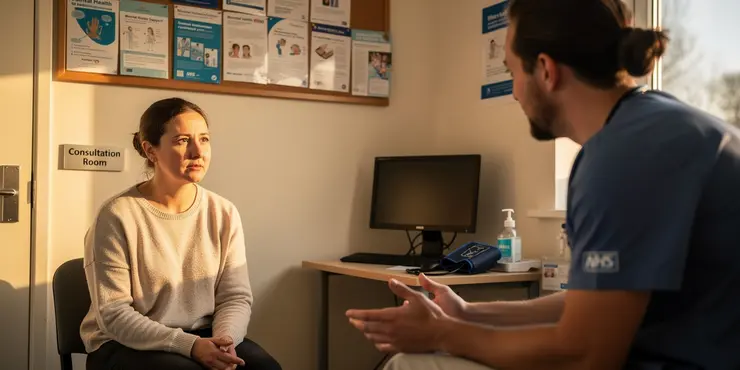
In the United Kingdom, ketamine is legally classified as a medication when prescribed by a medical professional. It is primarily used in hospitals and veterinary practices as an anesthetic, due to its effectiveness and safety profile for inducing sedation. More recently, ketamine has been used off-label for the treatment of major depressive disorder, particularly in cases where patients have not responded to other treatments.
The use of ketamine for depression is being actively researched, and while it has shown promise, it is not yet a widespread treatment option outside of clinical trials. However, with increasing evidence of its efficacy, ketamine-assisted therapy is expected to become more widely available under medical supervision.
Ketamine as a Controlled Substance
Under UK law, ketamine is classified as a Class B controlled substance under the Misuse of Drugs Act 1971. This means that unauthorized possession, supply, or production of ketamine is illegal. Class B drugs in the UK are deemed to have a lower potential for harm compared to Class A drugs, yet higher than Class C drugs. The penalties for unauthorized dealing or possession of Class B substances can include fines and imprisonment.
For possession of ketamine without a prescription, individuals can face up to five years in prison, an unlimited fine, or both. Supply and production offences carry even harsher penalties, with potential imprisonment of up to 14 years, an unlimited fine, or both.
Recreational Use and Legal Consequences
Despite its medical use, ketamine is also popular as a recreational substance. Its effects as a dissociative anesthetic can lead to altered perceptions and induce a state known as a "K-hole," a phenomenon sought by some recreational users. However, its non-medical use poses significant legal risks and health dangers, including addiction, cognitive impairment, and serious bladder issues.
The recreational use of ketamine is firmly illegal in the UK, and individuals found in possession without authorization are subject to legal action. Enforcement of these laws focuses not only on users but also on traffickers, with severe repercussions for those caught in the illegal trade of this drug.
Conclusion
In summary, while ketamine has legitimate medical uses in the UK, its status as a controlled substance means that unauthorized possession and use are illegal. The ongoing research into its therapeutic potential highlights a distinction between its medical promise and the serious legal and health risks associated with its non-medical use. As the understanding of ketamine's benefits grows, regulatory measures may adapt to incorporate its safe and effective use under appropriate medical guidance.
Introduction
Ketamine is a drug that doctors use to make people sleep during surgery. People also use it for fun. Lately, people are talking about how ketamine might help with sadness and other mental health problems. But, the rules about ketamine can be hard to understand. This article will explain the rules about ketamine in the UK.
Medical Use of Ketamine
In the UK, doctors can give ketamine as medicine. It is used mainly in hospitals and animal clinics to help with surgery because it works well and is safe. Now, doctors are looking at ketamine to help people who are very sad and when other medicines did not help. Scientists are studying this, and more doctors might start using it with special permission.
Ketamine as a Controlled Substance
In the UK, ketamine is a "Class B" drug. This means you cannot have it without permission. Having, selling, or making ketamine without permission is against the law. Class B drugs are thought to be less harmful than Class A drugs but more harmful than Class C drugs. If someone has ketamine without permission, they might have to pay a lot of money or go to jail for up to five years. Selling or making ketamine can lead to harsher punishments, like going to jail for up to 14 years.
Recreational Use and Legal Consequences
Some people use ketamine for fun because it changes how they feel and see things. This can be dangerous and makes people break the law. Using ketamine not as medicine can make people sick or addicted. It can also cause bladder problems. It is illegal to use ketamine for fun in the UK. The police catch people who have or sell ketamine illegally, and they can get in big trouble.
Conclusion
To sum up, ketamine can help people when doctors use it for medicine in the UK. But, if people have or use it without permission, it is illegal. Scientists are learning more about how ketamine can help with health problems. As they learn more, the rules about ketamine might change to help people use it safely with a doctor's help.
Frequently Asked Questions
Ketamine is legal in the United States but is classified as a Schedule III controlled substance, meaning it is legal for medical use under prescription, but illegal for recreational use.
No, recreational use of ketamine is illegal in most countries, including the United States, as it is considered a controlled substance.
Yes, ketamine is used medically as an anesthetic, particularly in veterinary medicine, and for pain management and treatment-resistant depression in humans.
In the UK, ketamine is classified as a Class B drug, which means possession is illegal without a prescription and trafficking is subject to severe penalties.
Yes, doctors can prescribe ketamine for certain medical conditions, such as depression or as an anesthetic, under strict regulations.
Internationally, ketamine is controlled under the Convention on Psychotropic Substances of 1971, and countries vary in their specific legal classifications and regulations.
Yes, ketamine is commonly used in veterinary medicine as a tranquilizer or anesthetic for animals.
Consequences can include legal penalties such as fines or imprisonment, as well as health risks associated with unregulated use.
Ketamine has been approved for treating treatment-resistant depression in some jurisdictions, often administered under medical supervision.
No, ketamine is not available over-the-counter; it requires a prescription and medical supervision.
Ketamine is not classified as a narcotic. It is classified as a dissociative anesthetic and a Schedule III controlled substance in the US.
Importing ketamine, even with a prescription, is subject to the laws of the destination country, and special permits might be required.
Ketamine is subject to regulation worldwide, so while it may be available with a prescription, no country allows completely unrestricted use.
Penalties for illegal sale can include fines, imprisonment, and in some cases, long-term criminal records depending on the jurisdiction.
In Canada, ketamine is a controlled substance under Schedule I of the Controlled Drugs and Substances Act, making it illegal for non-medical use.
Yes, there are legal ketamine clinics that provide supervised medical treatment for conditions like depression under strict regulations.
Esketamine is a derivative of ketamine, approved for medical use to treat depression in several countries, including the United States.
Legal treatment for ketamine abuse typically involves medical and psychological interventions, often supported in rehabilitation facilities.
Yes, ketamine can be detected in drug screenings, particularly those used to enforce workplace drug policies or probationary conditions.
If you need ketamine for medical reasons, consult a licensed healthcare provider to obtain a legal prescription and appropriate treatment plan.
Ketamine can be used in the United States if a doctor gives you a prescription. This means a doctor says it is okay for you to use it for medical reasons. It is not allowed to use ketamine just for fun.
No, using ketamine for fun is illegal in most places, like the United States, because it is a controlled drug.
If you want to learn more about drugs and the law, you can use tools like simple internet searches or ask a trusted adult for help.
Yes, doctors use ketamine as a medicine. It helps animals sleep during operations. It also helps people who have a lot of pain or sadness that other medicines can't fix.
In the UK, ketamine is a Class B drug. This means it is against the law to have it without a prescription from a doctor. Selling or giving it to someone else can get you into a lot of trouble.
If reading is hard, using a ruler or your finger to follow the words can help. Listening to the text read out loud can be helpful too.
Yes, doctors can give ketamine to help with some health problems. They might use it for feeling very sad (depression) or to help people not feel pain during surgery (anesthetic). Doctors have to follow special rules to do this.
Here are some tips that might help you understand better:
- Read slowly and take your time.
- Ask someone to read with you or help explain words you don't know.
- Use a dictionary if you find a word you don’t understand.
Kentamine is a drug that is watched over by the world. There was a big meeting in 1971, called the Convention on Psychotropic Substances, where countries decided to keep an eye on it. Different countries have their own rules about ketamine.
If you find reading hard, try using tools like audiobooks or apps that read text out loud. You can also use a finger to follow along as you read.
Yes, vets use ketamine to help animals feel calm or sleepy during treatment.
If you break the law, you might have to pay money or go to jail. There are also dangers to your health if things are used in a way that is not safe.
Doctors use ketamine to help people who have strong sadness that other treatments can't fix. It is given by a doctor.
No, you cannot buy ketamine from a shop or pharmacy without a doctor's note. You need a doctor's permission and someone to watch over while you use it.
Ketamine is not a narcotic. It is a type of medicine that makes you feel separate from your body. In the US, it is a controlled medicine, which means only doctors can give it to you.
Bringing ketamine into a new country, even if you have a doctor's note, must follow the rules of that country. You might need special permission.
Ketamine is a medicine that is controlled by many rules all over the world. You can only get it if a doctor says you need it. No country lets people use it without rules.
If you sell something illegally, you can get into big trouble. You might have to pay money, go to jail, or have a bad record that stays for a long time. The rules might be different depending on where you are.
In Canada, ketamine is a drug that is controlled by the law. It is listed under Schedule I of the Controlled Drugs and Substances Act. This means it is against the law to use ketamine if a doctor does not say it is okay.
Yes, there are safe places called ketamine clinics. Doctors give special medicine there to help people with problems like feeling very sad. They have many rules to keep everyone safe.
Esketamine comes from ketamine. Doctors use it to help people with depression. It is okay to use esketamine in many countries, like the United States.
If someone is having trouble because they use a drug called ketamine, doctors and helpers can give them care. This care often happens in special places where people go to get better.
Yes, drug tests can find ketamine. These tests are often used at work or for people on probation.
If your doctor says you need ketamine to feel better, talk to them. They will give you a plan for safe use. Only take ketamine if your doctor says you need it.

Ergsy Search Results
This website offers general information and is not a substitute for professional advice.
Always seek guidance from qualified professionals.
If you have any medical concerns or need urgent help, contact a healthcare professional or emergency services immediately.
Some of this content was generated with AI assistance. We've done our best to keep it accurate, helpful, and human-friendly.
- Ergsy carefully checks the information in the videos we provide here.
- Videos shown by Youtube after a video has completed, have NOT been reviewed by ERGSY.
- To view, click the arrow in centre of video.
- Most of the videos you find here will have subtitles and/or closed captions available.
- You may need to turn these on, and choose your preferred language.
- Go to the video you'd like to watch.
- If closed captions (CC) are available, settings will be visible on the bottom right of the video player.
- To turn on Captions, click settings.
- To turn off Captions, click settings again.