
Get Answers
Introduction to Super Flu
Super Flu, officially known as pandemic influenza, refers to a highly contagious strain of the influenza virus that has the potential to cause severe illness and spread rapidly across populations. Unlike seasonal flu, Super Flu can affect larger sections of the population and is often characterized by a higher mortality rate. Accurate and timely diagnosis is crucial in managing an outbreak and implementing appropriate public health measures.
Identifying Symptoms
The initial step in diagnosing Super Flu involves identifying key symptoms. These typically include a high fever, fatigue, muscle aches, sore throat, and a persistent cough. However, since these symptoms can overlap with those of a common cold or other respiratory illnesses, further diagnostic procedures are often necessary. Healthcare providers look for the sudden onset of symptoms and their severity to differentiate from regular flu.
Laboratory Testing
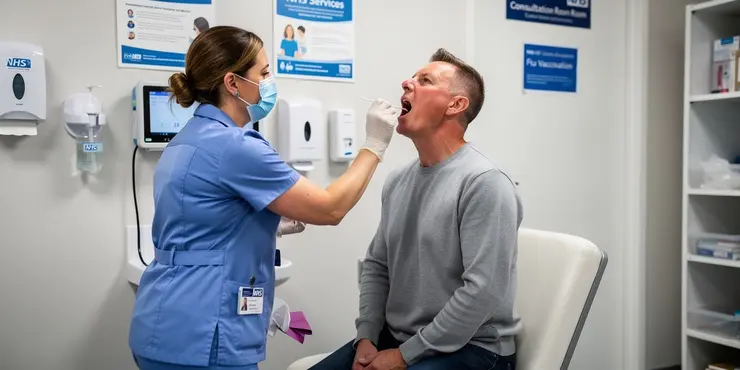
Diagnosis of Super Flu is confirmed through laboratory testing. In the UK, this usually involves the collection of respiratory samples, such as a throat or nasal swab, which are then analysed using molecular tests like the reverse transcription-polymerase chain reaction (RT-PCR). This test detects the genetic material of the virus and is highly sensitive and specific. It remains the gold standard for confirming a case of Super Flu.
Rapid Diagnostic Tests
Rapid diagnostic tests (RDTs) are also available and provide quicker results, typically within 15 to 30 minutes. While these tests can detect antigens related to the influenza virus, they are generally less sensitive than RT-PCR. As a result, negative results from an RDT may be followed up with molecular testing to rule out false negatives, especially if the patient presents with severe symptoms or if there is a known outbreak in progress.
Role of Surveillance Data
Surveillance data is critical in diagnosing and managing Super Flu. Health authorities in the UK, such as the UK Health Security Agency (UKHSA), monitor flu activity and provide updates on circulating strains. During an outbreak, clinicians may use this information to decide when to test extensively and start treatment regimes. This approach ensures that resources are effectively allocated and helps limit the spread of the disease through early interventions.
Conclusion
Diagnosing Super Flu involves a combination of recognizing clinical symptoms, conducting laboratory tests, and utilizing public health data. Quick identification and confirmation of cases allow healthcare systems to respond efficiently to potential outbreaks, potentially mitigating widespread impacts. Public awareness and preparedness are vital components in managing and controlling the spread of Super Flu.
Introduction to Super Flu
Super Flu is a very strong type of flu virus. It can make a lot of people sick very quickly. It is more dangerous than the normal flu. We need to find it quickly to keep people safe.
Identifying Symptoms
Look out for signs of Super Flu. This includes a high fever, feeling very tired, sore muscles, sore throat, and a bad cough. These signs can look like other illnesses, so doctors do more tests to be sure.
Laboratory Testing
Doctors use special lab tests to find Super Flu. They take a sample from your throat or nose. The test checks for the flu virus. This test is very good at finding the virus.
Rapid Diagnostic Tests
There are fast tests that give results in 15 to 30 minutes. These help find the flu virus, but they are not as good as lab tests. If a fast test is negative, but you are very sick, doctors will do another test to make sure.
Role of Surveillance Data
Health groups, like UK Health Security Agency, watch flu activity. They share important updates. This helps doctors decide when to test more people and start treatments. This stops the flu from spreading too much.
Conclusion
To find Super Flu, doctors look for signs, do tests, and use health information. Finding it quickly helps doctors stop the flu from spreading. Everyone needs to know and be ready to help control the Super Flu.
Frequently Asked Questions
Super Flu is a term often used to describe a particularly severe strain of the influenza virus.
Symptoms of Super Flu may include high fever, body aches, fatigue, cough, sore throat, and congestion.
Super Flu is diagnosed through a combination of a clinical examination and specific tests, such as viral culture and rapid influenza diagnostic tests.
A rapid influenza test can indicate the presence of an influenza virus, but further testing is required to confirm and identify the strain.
The accuracy of rapid influenza diagnostic tests varies, with sensitivity ranging from 50% to 70%. They are more reliable when the patient has a high viral load.
Laboratory tests for diagnosing Super Flu include polymerase chain reaction (PCR) tests and viral cultures.
PCR tests are preferred because they are highly sensitive and specific, capable of detecting even low levels of viral RNA.
While symptoms can suggest Super Flu, confirmed diagnosis requires laboratory testing.
PCR test results for Super Flu can typically be available within a few hours to a couple of days, depending on the laboratory.
Yes, a visit to a healthcare provider is recommended for testing if Super Flu is suspected.
Super Flu, like other flu strains, is more common during the fall and winter months in many regions.
Yes, the symptoms of Super Flu can be similar to other respiratory illnesses, which is why testing is essential.
Some at-home test kits may be available, but they are generally less accurate than tests performed in a clinical setting.
Blood tests are not typically used to diagnose flu. Respiratory samples are more commonly used for testing.
Imaging is not used to diagnose flu, but a chest X-ray or CT scan might be used to assess complications like pneumonia.
If symptoms are present during a check-up, a doctor might perform a test to diagnose Super Flu.
Home remedies cannot confirm a flu diagnosis. Only medical tests can confirm the strain.
If you suspect Super Flu, seek medical attention to get tested and receive appropriate treatment.
Yes, children can be tested for Super Flu using the same types of tests used for adults.
After diagnosis, rest, hydration, antiviral medications, and following your doctor's advice can help manage symptoms and prevent spreading the virus.
'Super Flu' is a name people use for a very strong type of flu virus.
If you have Super Flu, you might feel very hot, have a sore body, feel very tired, cough, have a sore throat, and a stuffy nose.
Helpful Tips: You can use simple tools like a thermometer to check your temperature. Drink lots of water and rest in bed. It's good to have a trusted adult to take care of you.
Doctors find out if you have Super Flu by looking at you and doing special tests. They might do a test called a viral culture or a quick flu test to find out if you have it.
A quick flu test can show if you might have the flu virus. But more tests are needed to be sure and to know what type of flu it is.
Rapid flu tests are sometimes right, but not always. They work best when there is a lot of the flu virus in the body.
To find out if someone has Super Flu, doctors use special tests.
These tests are called PCR tests and viral cultures.
PCR tests are good because they can find even tiny bits of the virus. They are very accurate and reliable.
Signs of Super Flu can show you might have it, but to be sure, doctors need to do tests in a lab.
PCR test results for Super Flu usually come back in a few hours or up to two days. This depends on the lab doing the test.
If you think you might have Super Flu, it is a good idea to see a doctor for a test.
Super Flu is more common in fall and winter. This happens in many places.
Yes, Super Flu symptoms can look like other illnesses that affect breathing. This is why testing is important.
You might find test kits you can use at home. But these kits are usually not as good as the tests done by doctors or nurses in a clinic.
Doctors don't usually use blood tests to find out if you have the flu. They usually use samples from your nose or throat instead.
Doctors don't use pictures like X-rays or CT scans to find out if you have the flu. But they might use these pictures to check for other problems like pneumonia, which can happen if you are very sick.
If you feel sick when you see the doctor, they might do a test to find out if you have Super Flu.
Home remedies cannot tell you for sure if you have the flu. Only a doctor can do tests to find out which kind of flu it is.
If you think you have Super Flu, go to the doctor to get checked and get the right medicine.
Yes, kids can be tested for Super Flu just like grown-ups.
When you find out you are sick, make sure to:
- Get plenty of rest.
- Drink lots of water.
- Take medicine from your doctor.
- Listen to what your doctor tells you.
Doing these things can help you feel better and stop the virus from spreading to other people.

Ergsy Search Results
This website offers general information and is not a substitute for professional advice.
Always seek guidance from qualified professionals.
If you have any medical concerns or need urgent help, contact a healthcare professional or emergency services immediately.
Some of this content was generated with AI assistance. We've done our best to keep it accurate, helpful, and human-friendly.
- Ergsy carefully checks the information in the videos we provide here.
- Videos shown by Youtube after a video has completed, have NOT been reviewed by ERGSY.
- To view, click the arrow in centre of video.
- Most of the videos you find here will have subtitles and/or closed captions available.
- You may need to turn these on, and choose your preferred language.
- Go to the video you'd like to watch.
- If closed captions (CC) are available, settings will be visible on the bottom right of the video player.
- To turn on Captions, click settings.
- To turn off Captions, click settings again.