
Speak To An Expert
Get clear, personalised advice for your situation.
Jot down a few questions to make the most of your conversation.
Introduction to IVF and Sperm Utilization
In vitro fertilization (IVF) is a process that assists individuals and couples with fertility challenges to conceive a child. In this procedure, sperm plays a crucial role, as it is required to fertilize the female egg outside the body in a controlled laboratory environment. Understanding how sperm is used in IVF helps in demystifying the process and appreciating the technological advances in reproductive medicine available in the UK.
Sperm Collection
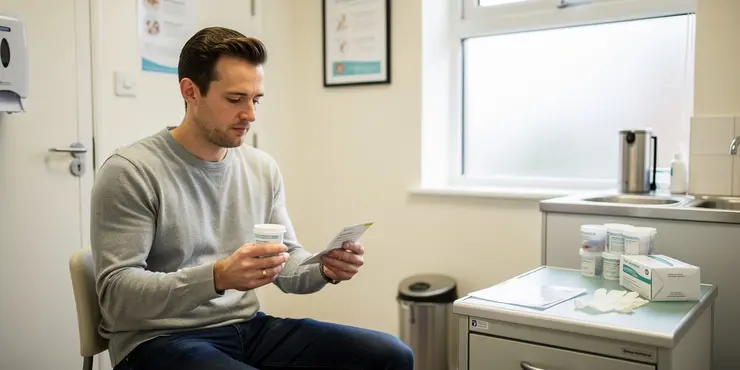
The first step in using sperm for IVF involves collection. For men providing sperm, this typically involves masturbating into a sterile container at a fertility clinic. It is paramount for the sperm sample to be as fresh as possible, so facilities are set up to ensure the privacy and comfort of the donor. In situations where sperm quality is a concern, or if the man is unable to provide a sample through masturbation, surgical sperm retrieval methods such as PESA (Percutaneous Epididymal Sperm Aspiration) or TESE (Testicular Sperm Extraction) may be utilized. Frozen sperm samples, stored in sperm banks, can also be employed, especially in cases involving sperm donors or if the sample was stored prior to medical treatments affecting fertility.
Sperm Processing and Preparation
Once the sperm is collected, it is processed and prepared for fertilization. This involves assessing the sperm sample under a microscope, evaluating motility, concentration, and morphology. Through a process called sperm washing, the sperm is separated from the seminal fluid and debris, enhancing its ability to fertilize the egg. During washing, the most motile and healthy sperm are concentrated, making them ready for either conventional IVF or intracytoplasmic sperm injection (ICSI), a technique used when sperm quality is poor or previous IVF attempts have failed.
Fertilization of the Egg
In traditional IVF, the prepared sperm is combined with mature eggs in a petri dish, where fertilization occurs naturally within a controlled environment. Thousands of sperm compete to penetrate the egg's outer layer. Alternatively, in ICSI, a single, carefully selected sperm is injected directly into the egg using a fine needle. This is particularly useful in cases of low sperm count or motility, and it significantly increases the chances of successful fertilization.
Embryo Development and Transfer
After successful fertilization, the resulting embryos are incubated for several days to develop. The embryos are closely monitored to select the best quality before being transferred to the woman's uterus in hopes of achieving pregnancy. Any high-quality surplus embryos can be cryopreserved for future use.
Conclusion
Sperm plays an integral role in IVF, a procedure that offers hope to many facing infertility issues in the UK. By collecting, preparing, and utilizing sperm in conjunction with advanced techniques like ICSI, IVF labs significantly enhance the chances of successful conception, thus fulfilling the dreams of many aspiring parents.
Introduction to IVF and Sperm Utilization
IVF helps people have babies if they find it hard to do so naturally. In IVF, doctors use sperm to join with an egg outside the body. This helps us understand how far we have come in helping people have babies.
Sperm Collection
The first step is to collect sperm. Men usually do this by providing a sample in a special cup at the clinic. It needs to be done carefully, so the sperm is fresh. If a man cannot provide sperm this way, doctors might use a small surgery to get it. Sometimes, frozen sperm from a sperm bank is used if needed.
Sperm Processing and Preparation
After collecting sperm, it is checked under a microscope. Doctors make sure the sperm is healthy and ready to join with an egg. They clean and select the best sperm in a process called sperm washing. This helps it be ready to meet the egg in IVF or to be directly put into an egg with a special needle if needed.
Fertilization of the Egg
Once the sperm is ready, it is mixed with eggs in a dish. Many sperm try to join with each egg. Sometimes, doctors put one sperm right into an egg if there are problems with the sperm. This helps make sure an egg turns into an embryo.
Embryo Development and Transfer
After sperm and egg join, they form embryos. These embryos grow for a few days in a lab. Then, the best ones are put into a woman's womb to try and start a pregnancy. Extra good embryos can be frozen to use later.
Conclusion
Sperm is very important in IVF, which helps many people have babies. By carefully collecting and preparing sperm, and using advanced methods, IVF greatly increases the chances of having a baby.
Frequently Asked Questions
In IVF, sperm is used to fertilize the egg outside the body, usually in a lab environment, to create an embryo that can be implanted into the uterus.
Sperm is typically collected through ejaculation into a sterile container. In certain cases, sperm may be retrieved directly from the testicles using a minor surgical procedure.
Yes, frozen sperm can be thawed and used in IVF. Freezing sperm does not significantly affect its ability to fertilize an egg.
Sperm quality is assessed through a semen analysis which evaluates factors like sperm count, motility, morphology, and overall viability.
If sperm motility is low, techniques like ICSI (intracytoplasmic sperm injection) can be used to inject a single sperm directly into an egg.
To optimize sperm quality, it's often recommended to abstain from ejaculation for 2-3 days before providing a sample. Avoiding alcohol, smoking, and certain medications can also help.
Sperm washing enhances the quality by removing impurities and selecting the most viable sperm. Techniques include swim-up and density gradient centrifugation.
Yes, donor sperm can be used in IVF, especially in cases where the male partner has fertility issues or if a single woman or same-sex couple is seeking to conceive.
Sperm can be frozen and stored for years, typically up to 10 years or longer, as long as it remains in optimal freezing conditions.
ICSI, or intracytoplasmic sperm injection, involves directly injecting a single sperm into an egg to facilitate fertilization, commonly used when sperm quality is low.
In IVF, prepared sperm is added to mature eggs in a petri dish, allowing fertilization to occur naturally. Alternatively, ICSI can be used for direct fertilization.
If no sperm is present, options include surgical sperm retrieval or using donor sperm. Techniques like TESE (testicular sperm extraction) may be employed.
A single healthy sperm is necessary for each egg during ICSI, while conventional IVF requires millions of motile sperm to increase fertilization chances.
Yes, sperm quality can decline with age, potentially affecting IVF success rates. Older men may produce fewer sperm with lower motility and increased DNA fragmentation.
Yes, factors like diet, exercise, smoking, alcohol consumption, and exposure to toxins can impact sperm quality, which in turn affects IVF success.
IVF can still be successful with poor sperm morphology, especially with the use of ICSI, which selects the best sperm for direct egg injection.
Tests include semen analysis to check count, motility, and morphology. Advanced tests may assess DNA integrity and the presence of antibodies.
Using abnormal sperm can affect fertilization success and embryo quality, but techniques like ICSI help mitigate these risks by selecting viable sperm.
Pre-IVF genetic screening on sperm isn’t standard, but partners may undergo genetic counseling and testing for heritable conditions before proceeding.
Fresh sperm is typically used within hours of collection, but it can also be frozen for future use in IVF cycles if needed.
In IVF, doctors take sperm and an egg and put them together outside the body. This usually happens in a lab. When the sperm meets the egg, it makes a tiny baby called an embryo. The embryo is then put into the belly where a baby grows, called the uterus.
Some tools that might help are using pictures to show how this works or watching a simple video about the process.
To collect sperm, a man usually needs to ejaculate into a clean container. Sometimes, doctors might need to take sperm straight from the testicles with a small surgery.
Yes, you can freeze sperm and use it later to help make a baby. This is called IVF. Freezing sperm doesn't stop it from working.
Doctors check how good sperm is by doing a test called a semen analysis. This test looks at things like how many sperm there are, how they move, their shape, and if they are healthy.
If sperm can't swim well, doctors can use a special method called ICSI. This is when they put one sperm straight into an egg to help make a baby.
To make sperm better, it’s good to wait 2-3 days without coming before giving a sample. Try not to drink alcohol, smoke, or take certain medicines.
Sperm washing helps make sperm better by taking out the bad stuff and choosing the best sperm. Two ways to do this are called swim-up and density gradient centrifugation.
Yes, you can use donor sperm in IVF. This can help if a man has problems having a baby, or if a woman is single, or if two women want to have a baby.
Sperm can be kept in a freezer for a long time. Usually, it can be stored for up to 10 years or even more. It needs to be very cold the whole time.
ICSI means putting one sperm right inside an egg to help it grow into a baby. This is done when the sperm is not strong enough to do it alone.
In IVF, doctors put sperm and eggs together in a dish so they can join and make a baby. Another way is ICSI, where doctors help one sperm and one egg join directly.
If no sperm is found, there are different ways to help. A doctor might collect sperm with an operation. Another choice is using sperm from a donor. One way to get sperm is called TESE, where sperm is taken out from the testicle.
For ICSI, you need just one healthy sperm for each egg. But for regular IVF, you need millions of fast-moving sperm to help make sure the egg is fertilized.
Yes, as men get older, their sperm can get worse. This can make it harder for IVF to work. Older men might have fewer sperm, and the sperm may not swim well. The DNA in the sperm might also break more easily.
Tips to help:
- Use short sentences.
- Use simple words.
- Read slowly.
- Ask someone if you need help.
Yes, things like what you eat, how much you move, smoking, drinking alcohol, and being around bad chemicals can change how healthy your sperm is. This can make a difference when trying to have a baby using IVF.
IVF can still work even if the sperm doesn't look normal. With ICSI, doctors pick the best sperm to put right into the egg.
Doctors do tests to check sperm. They look at how many sperm there are, how they move, and what they look like. Other tests check if the sperm's DNA is okay and if there are any antibodies.
If you need help reading, try using pictures or speaking to someone who can explain it to you. Some apps can also read the text out loud for you.
Using sperm (the cells from the dad) that are not normal can make it harder to make a baby and can affect the baby's first cells. But there are special techniques, like ICSI, that can help. ICSI picks the best sperm to use, which can help make things better.
Before trying to have a baby with IVF, doctors usually don't check the dad's sperm for genes. But, parents might talk to a doctor about their family's health history. They can get genetic testing to see if there are any health problems they could pass on to the baby.
Fresh sperm is usually used a few hours after it is collected. If needed, it can also be frozen and used later for having a baby with IVF.

Ergsy Search Results
This website offers general information and is not a substitute for professional advice.
Always seek guidance from qualified professionals.
If you have any medical concerns or need urgent help, contact a healthcare professional or emergency services immediately.
Some of this content was generated with AI assistance. We've done our best to keep it accurate, helpful, and human-friendly.
- Ergsy carefully checks the information in the videos we provide here.
- Videos shown by Youtube after a video has completed, have NOT been reviewed by ERGSY.
- To view, click the arrow in centre of video.
- Most of the videos you find here will have subtitles and/or closed captions available.
- You may need to turn these on, and choose your preferred language.
- Go to the video you'd like to watch.
- If closed captions (CC) are available, settings will be visible on the bottom right of the video player.
- To turn on Captions, click settings.
- To turn off Captions, click settings again.