
Get Answers
How Should I Prepare for a Facelift?
Preparing for a facelift, also known as rhytidectomy, involves several steps to ensure a safe procedure and optimal results. If you are considering this surgery in the UK, it’s important to follow your surgeon’s guidelines closely. Here’s a comprehensive guide to help you prepare for the procedure.
Consultation with a Qualified Surgeon
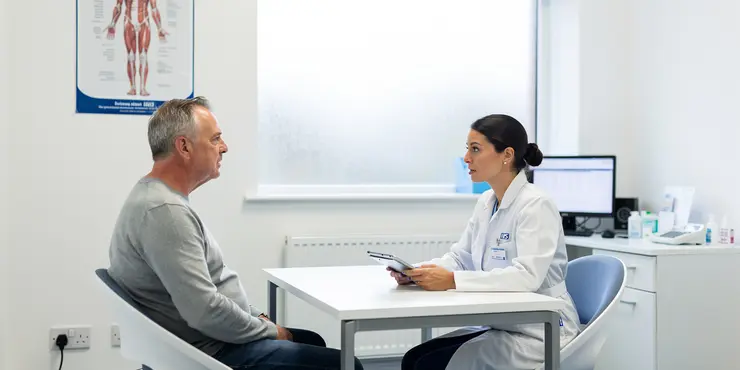
The first step in preparing for a facelift is to schedule a consultation with a qualified plastic surgeon. In the UK, ensure that your surgeon is registered with the General Medical Council (GMC) and is a member of the British Association of Aesthetic Plastic Surgeons (BAAPS). During the consultation, discuss your goals, the procedure’s risks, benefits, and recovery process. This initial appointment is crucial to establish realistic expectations and to decide if a facelift is the right choice for you.
Medical Evaluation
Before the surgery, your surgeon will conduct a thorough medical evaluation. This may include blood tests and a review of your medical history. Inform your doctor about any medications or supplements you are taking, as some may need to be adjusted or stopped before the procedure. Conditions such as hypertension, diabetes, or heart disease must be well-managed to minimize surgical risks.
Avoid Smoking and Alcohol
Smoking can hinder the healing process and increase the risk of complications. It is advisable to stop smoking at least six weeks before the surgery and during the post-operative period. Alcohol consumption should also be minimized, as it can interfere with your body’s ability to heal and increase the risk of bruising and swelling.
Prepare Your Home for Recovery
Before your surgery, prepare a comfortable recovery area at home. Stock up on essential items such as easy-to-prepare meals, medications, and any special supplies recommended by your surgeon. Arrange for someone to assist you for the first few days post-surgery, as you’ll need ample rest and may have limited mobility.
Avoid Certain Medications
Certain over-the-counter medications and supplements can increase bleeding risks. Avoid aspirin, non-steroidal anti-inflammatory drugs (NSAIDs), and herbal supplements like ginkgo biloba and garlic. Your surgeon will provide a complete list of substances to avoid in the weeks leading up to your procedure.
Follow Pre-Surgery Instructions
Your surgeon will give specific instructions regarding eating, drinking, and medications on the night before and the day of your surgery. It’s important to follow these instructions carefully to ensure a smooth procedure. Typically, you will be advised to fast for a certain period before the surgery.
Conclusion
By adequately preparing for your facelift, you can enhance the chances of a successful outcome and smooth recovery. Communication with your healthcare provider, preparing your home, and following pre-surgical instructions are vital steps in this process. Remember to address any questions or concerns with your surgeon to feel confident and informed as you approach your facelift procedure.
How Can I Get Ready for a Facelift?
Getting ready for a facelift means doing several things to make sure the surgery goes well. If you want a facelift in the UK, it’s important to listen to your doctor’s advice. Here’s a simple guide to help you prepare.
Talk to a Qualified Doctor
The first step is to meet with a plastic surgeon. In the UK, make sure the doctor is on the General Medical Council list and part of the British Association of Aesthetic Plastic Surgeons. At the meeting, talk about what you want, the risks and benefits, and how you'll get better afterwards. This talk is important to find out if a facelift is right for you.
Health Check-Up
Before the facelift, the surgeon will check your health. This means looking at your medical history and maybe doing blood tests. Tell the doctor about any medicine or vitamins you take. Some might have to be changed or stopped. If you have conditions like high blood pressure or diabetes, they need to be controlled to avoid risks.
Stop Smoking and Drinking Alcohol
Smoking can make healing harder and cause problems. Stop smoking at least six weeks before the surgery and after it too. Drinking alcohol should also be cut down because it can affect healing and cause more bruising.
Get Your Home Ready
Before the surgery, set up a comfy place at home to rest. Have easy-to-make meals ready, and get the medicines and items your doctor suggests. Ask someone to help you for a few days after the surgery because you will need lots of rest.
Avoid Certain Medicines
Some common medicines can cause more bleeding. Don’t take aspirin, some pain relievers (like NSAIDs), and herbs like ginkgo biloba and garlic. Your doctor will give you a list of what not to take before the surgery.
Follow Surgery Instructions
Your doctor will tell you what to eat or drink and what to do before the surgery. Follow these instructions carefully. Usually, you should not eat or drink for a while before surgery.
Conclusion
Getting ready well for a facelift can help it go smoothly and help you recover better. Talking with your doctor, preparing your home, and following the instructions are important steps. If you have questions, ask your doctor so you feel ready and sure about your facelift. Remember, it's okay to ask for help if you need it.
Frequently Asked Questions
Research your surgeon, prepare questions, and gather your medical history.
You should stop smoking at least 4 to 6 weeks before the surgery.
Avoid alcohol for at least 48 hours before your surgery.
Blood tests, EKG, and a physical examination may be required.
Do not eat or drink anything 8 hours before your surgery.
Yes, arrange for someone to drive you home as you won't be able to drive.
Follow any skincare regimen advised by your surgeon, such as gentle cleansing and moisturizing.
Avoid blood thinners, aspirin, anti-inflammatory drugs, and certain herbal supplements as advised by your doctor.
Yes, provide a complete list of medications, including prescription, over-the-counter drugs, and supplements.
Wear comfortable, loose-fitting clothing that doesn’t need to be pulled over your head.
Prepare a resting area with necessary items (like pillows, medication, and entertainment) easily accessible.
Do not wear any makeup, lotions, or creams on the day of the surgery.
Yes, you should fast, which typically means no food or drink 8 hours prior to surgery.
Only take medications or supplements that your surgeon has approved.
Discuss with your surgeon about any anxiety and possible calming medications, and use relaxation techniques like deep breathing.
You'll need someone to assist you for at least the first 24 to 48 hours after surgery.
Only take medications that your surgeon has cleared you to take prior to surgery.
It is crucial to follow all preoperative instructions to ensure safety and optimal results.
Contact your surgeon immediately if you feel unwell before surgery.
Yes, arrange for the necessary time off and inform your employer about your recovery period.
Learn about your doctor, think of questions to ask, and collect your health information.
You should stop smoking at least 4 to 6 weeks before the surgery.
Here's what you can do to help:
- Use nicotine gum or patches to help you quit.
- Talk to a doctor or nurse for advice.
- Try to stay busy to keep your mind off smoking.
Do not drink alcohol for 2 days before your surgery.
You might need some tests:
- A blood test.
- A heart check-up called an EKG.
- A doctor will also check your body.
These can help the doctor see if everything is okay with you.
Do not eat or drink anything for 8 hours before your surgery. This means from the night before your surgery. Ask someone for help if you find it hard to remember. You can use an alarm or a note to remind you.
Yes, ask someone to give you a ride home because you can't drive.
Follow the skin care plan that your doctor gives you. This might include washing your face gently and using a moisturizer to keep your skin soft.
Stay away from medicines that make your blood thinner, like aspirin. Don't take drugs that stop swelling. Some herbs are not safe either. Ask your doctor for advice on what to avoid.
Yes, make a full list of all the medicines you take. This includes medicines from the doctor, medicines you buy at the store, and vitamins or natural pills.
Wear comfy clothes that are loose and do not go over your head.
Make a cozy space where you can rest. Keep things you need close by, like pillows, medicine, and fun things to do.
On the day of the surgery, don't wear any makeup, lotions, or creams.
Yes, you must not eat or drink for 8 hours before the surgery.
Only take medicine or vitamins that your doctor says are okay.
Talk to your doctor if you are feeling worried. They can tell you about medicine to help you feel calm. You can also try taking slow, deep breaths to help you relax.
You will need someone to help you for the first one or two days after your surgery.
Before your surgery, only take medicine your doctor says is okay.
It is very important to follow the doctor's instructions before your surgery. This helps keep you safe and makes sure everything goes well.
If you feel sick before your surgery, tell your doctor right away.
Tell your boss when you need to take time off to get better. Make sure you let them know how long this will be.

Ergsy Search Results
This website offers general information and is not a substitute for professional advice.
Always seek guidance from qualified professionals.
If you have any medical concerns or need urgent help, contact a healthcare professional or emergency services immediately.
Some of this content was generated with AI assistance. We've done our best to keep it accurate, helpful, and human-friendly.
- Ergsy carefully checks the information in the videos we provide here.
- Videos shown by Youtube after a video has completed, have NOT been reviewed by ERGSY.
- To view, click the arrow in centre of video.
- Most of the videos you find here will have subtitles and/or closed captions available.
- You may need to turn these on, and choose your preferred language.
- Go to the video you'd like to watch.
- If closed captions (CC) are available, settings will be visible on the bottom right of the video player.
- To turn on Captions, click settings.
- To turn off Captions, click settings again.