
Get Answers
What to do straight away
If Ebola body fluids may have touched your skin, act quickly. Remove any contaminated clothing or shoes and put them in a sealed bag.
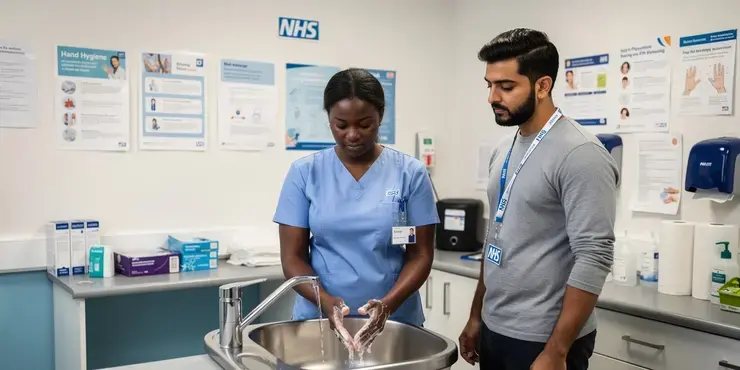
Wash your hands first if you can. Then rinse the affected skin with plenty of soap and water as soon as possible.
Try not to rub the area hard, as this can irritate the skin. The key is to wash gently but thoroughly.
How to clean your skin safely
Use warm running water and ordinary soap. Wash the skin for at least 20 seconds, making sure all exposed areas are cleaned.
If the fluid got into cuts, grazes, the eyes, nose, or mouth, rinse the area well with water immediately. Do not use bleach, disinfectant, or harsh chemicals on your skin.
Do not scrub or use abrasive cloths. Gentle washing is enough and helps avoid damaging the skin barrier.
If body fluids touched broken skin or mucous membranes
Contact with broken skin, eyes, nose, or mouth is more concerning than contact with intact skin. Rinse the area well and seek urgent medical advice straight away.
In the UK, call NHS 111 for urgent advice if you are not in immediate danger. If you feel very unwell or have severe symptoms, call 999.
Tell the person you speak to that you may have been exposed to Ebola body fluids. That helps them give the right advice quickly.
What to do with clothes and items
Place any contaminated clothing, towels, or bedding into a plastic bag and seal it. Do not shake them out, as this can spread fluid onto other surfaces.
Wash reusable items separately if public health or healthcare staff tell you to do so. If the items cannot be cleaned safely, follow local advice for disposal.
Clean any nearby surfaces that may also have been splashed, using appropriate cleaning products. If you are unsure, ask for professional guidance.
When to get urgent help
Symptoms of Ebola can include fever, weakness, vomiting, diarrhoea, headache, muscle pain, or unexplained bleeding. These symptoms can appear after a period of time, not always immediately.
If you have had a possible exposure, you should monitor yourself and follow public health advice carefully. Avoid close contact with other people until you have been advised what to do.
Do not go to a GP surgery, pharmacy, or hospital without calling ahead if Ebola exposure is possible. This helps protect other people and staff.
Important UK advice
Do not try to manage a possible Ebola exposure alone. Follow instructions from NHS 111, your local health protection team, or emergency services.
If you are a healthcare worker or have been in contact with a confirmed case, there may be specific monitoring and reporting steps. Follow workplace and public health procedures immediately.
Quick washing with soap and water is the first step for skin contact, but medical advice is still essential. Acting fast can reduce risk and helps make sure you get the right follow-up.
Frequently Asked Questions
Ebola exposure skin cleaning after contact with body fluids refers to the immediate washing of skin that may have been contaminated by blood or other bodily fluids from a person with suspected or confirmed Ebola. It is a first-response decontamination step, not a substitute for medical evaluation.
The first step is to wash the exposed skin right away with soap and plenty of water. If soap and water are not immediately available, use another clean water source as soon as possible, then continue washing thoroughly when supplies are available.
Wash the affected skin thoroughly for several minutes, making sure to clean all contaminated areas. The goal is to remove visible fluid and reduce contamination as quickly and completely as possible.
Do not use undiluted bleach, harsh chemicals, or strong disinfectants directly on skin. Soap and water are preferred for skin cleaning after contact with body fluids, because these methods are safer for the skin while still helping remove contamination.
Alcohol hand sanitizer is not a replacement for washing exposed skin after contact with body fluids. It may be useful for hand hygiene when soap and water are not available, but contaminated skin should be washed with soap and water as soon as possible.
If the exposure involved cuts, scrapes, or other broken skin, wash the area gently with soap and water and seek urgent medical advice right away. Broken skin can increase the risk of infection and needs prompt professional evaluation.
If body fluids may have splashed into the eyes, mouth, or nose, rinse the area immediately with plenty of clean water or saline and seek urgent medical care. Mucous membrane exposure is more concerning than skin exposure and needs prompt assessment.
No, scrub gently but thoroughly. Aggressive scrubbing can damage the skin and does not improve safety. The key is to remove contamination with soap, water, and careful washing.
Remove contaminated clothing carefully to avoid further spreading body fluids. Place the clothing in a sealed bag or container for handling according to public health guidance, and wash exposed skin immediately after removal.
A full shower with soap and water is a good way to clean exposed skin if contamination may have spread beyond a small area. If a shower is available, it can help remove fluids from larger skin surfaces and reduce risk.
If you are assisting another person, use appropriate protective equipment such as gloves and follow infection-control guidance. If you are cleaning your own skin, avoid touching contaminated areas unnecessarily and wash your hands thoroughly afterward.
Seek medical care immediately after any significant exposure to blood or other body fluids from a person with suspected or confirmed Ebola. Skin cleaning is only the first step; medical professionals and public health authorities need to assess the exposure.
Yes, soap and water are still the preferred method, but use a mild soap if possible and rinse well. If irritation occurs or the skin is already damaged, seek medical advice after washing.
Washing should be done thoroughly right away, and repeated if there is still visible contamination. Once the skin is clean, avoid excessive washing that could irritate the area.
Avoid touching your face, rubbing the contaminated area, or using harsh chemicals on the skin. Also avoid delaying medical evaluation, because prompt reporting of the exposure is important.
Assist only if you can do so safely with protective measures. Help the person wash the exposed skin with soap and water, avoid contact with the fluids, and arrange immediate medical evaluation.
No, cleaning the skin lowers contamination but does not guarantee prevention of infection. Follow up with urgent medical assessment and public health guidance after any possible Ebola exposure.
Antiseptic wipes are not a substitute for washing with soap and water. If wipes are the only immediate option, use them temporarily, then wash the skin thoroughly as soon as soap and water are available.
Wash the exposed skin immediately with soap and water, then contact local emergency services or public health authorities as soon as possible. Provide details about the exposure, where it happened, and whether the source was a suspected or confirmed Ebola case.
Contact a healthcare provider, emergency services, or your local public health department right away. They can advise on exposure assessment, monitoring, and any further steps needed after the skin has been cleaned.

Ergsy Search Results
This website offers general information and is not a substitute for professional advice.
Always seek guidance from qualified professionals.
If you have any medical concerns or need urgent help, contact a healthcare professional or emergency services immediately.
Some of this content was generated with AI assistance. We've done our best to keep it accurate, helpful, and human-friendly.
- Ergsy carefully checks the information in the videos we provide here.
- Videos shown by Youtube after a video has completed, have NOT been reviewed by ERGSY.
- To view, click the arrow in centre of video.
- Most of the videos you find here will have subtitles and/or closed captions available.
- You may need to turn these on, and choose your preferred language.
- Go to the video you'd like to watch.
- If closed captions (CC) are available, settings will be visible on the bottom right of the video player.
- To turn on Captions, click settings.
- To turn off Captions, click settings again.