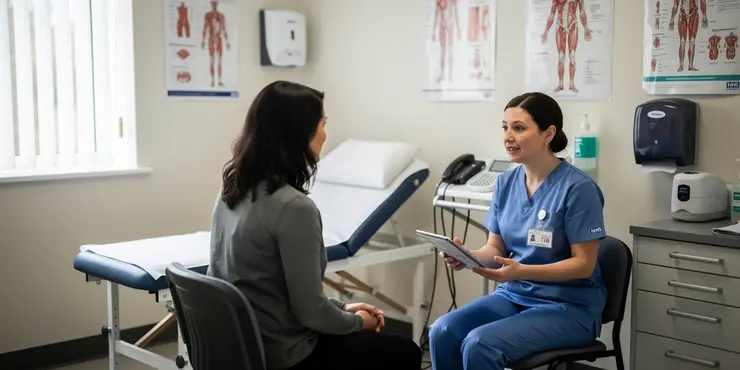

Speak To An Expert
Get clear, personalised advice for your situation.
Jot down a few questions to make the most of your conversation.
How is Rubella Transmitted?
Rubella, commonly known as German measles, is a contagious viral infection best known by its distinctive red rash. Though the disease is often mild, particularly in children, it can have serious consequences during pregnancy, making understanding transmission vital for public health.
Transmission Through Respiratory Droplets
The primary mode of transmission for rubella is through respiratory droplets. When an infected person coughs or sneezes, small droplets containing the rubella virus are released into the air. These droplets can then be inhaled by others who are in close proximity, leading to new infections. This mode of transmission is similar to that of many other infectious respiratory diseases, making crowded or close-contact environments particularly conducive to the spread of the virus.
Direct Contact
Direct contact with nasal or throat secretions of an infected person can also spread rubella. This means that sharing utensils, cups, or other personal items with someone who is infected can facilitate transmission. Routine hygiene practices such as washing hands and avoiding the sharing of personal items can help reduce the risk of transmission through direct contact.
Vertical Transmission from Mother to Fetus
A particularly concerning mode of transmission is from a pregnant woman to her developing fetus. If a woman contracts rubella during pregnancy, especially during the first trimester, the virus can pass through the placenta and infect the fetus. This can lead to serious complications such as congenital rubella syndrome, which can cause a variety of severe birth defects. Consequently, the rubella vaccination is a key aspect of prenatal care and public health campaigns aimed at eradicating the disease.
Incubation and Contagious Period
Individuals infected with rubella are most contagious when the rash is present. However, they can begin spreading the virus to others approximately one week before the rash appears and remain contagious for about one week after. This means that people can potentially transmit the virus without even realizing they are infected, highlighting the importance of vaccination and awareness.
Prevention Through Vaccination
The most effective way to prevent rubella and its transmission is through vaccination. The MMR vaccine, which protects against measles, mumps, and rubella, is part of the routine childhood immunization schedule in the UK. Two doses of the vaccine are recommended, and this has drastically reduced the incidence of rubella and congenital rubella syndrome. Immunization not only protects individuals but also helps build herd immunity, reducing the overall occurrence of the virus in the community.
In conclusion, understanding the transmission mechanisms of rubella emphasizes the importance of preventive measures such as vaccination, maintaining good hygiene, and seeking regular medical check-ups during pregnancy to protect oneself and others from this infectious disease.
How Does Rubella Spread?
Rubella, also called German measles, is a sickness that spreads easily. It is known for its red rash. Rubella is usually mild for kids. But it can be very serious for pregnant women and their babies. So, it is important to know how it spreads.
Spreading Through Coughs and Sneezes
Rubella spreads mainly when someone with the virus coughs or sneezes. Tiny drops with the virus go into the air. Other people can breathe in these drops and catch rubella. It spreads easily in crowded places. This is similar to how colds and flu spread too.
Spreading by Touch
You can also catch rubella by touching things used by a sick person, like cups or spoons. Touching stuff from their nose or throat can spread the virus. Washing your hands and not sharing personal items can help stop the virus from spreading this way.
Spreading from Mum to Baby
If a pregnant woman gets rubella, she can pass it to her baby. This is very dangerous, especially if it happens early in the pregnancy. It can cause serious problems for the baby. Getting the rubella vaccine is important to keep mums and babies safe.
When is Rubella Contagious?
People with rubella spread it most when they have the rash. But they can also spread it a week before the rash starts and a week after it goes away. This means people might not know they are spreading it. Vaccination helps stop this from happening.
Stopping Rubella with Vaccination
The best way to stop rubella is to get the vaccine. The MMR vaccine protects against measles, mumps, and rubella. Kids usually get two doses. This has greatly reduced rubella and helped keep communities safe. Vaccines help protect everyone by stopping the virus from spreading.
In summary, knowing how rubella spreads can help us stop it. Vaccination, good hygiene, and regular doctor visits during pregnancy help protect everyone from this disease.
Frequently Asked Questions
Rubella, also known as German measles, is a contagious viral infection preventable by vaccine.
Rubella is primarily transmitted through direct contact with respiratory secretions, such as saliva or mucus, from an infected person.
Yes, individuals infected with Rubella can spread the virus to others even if they do not show symptoms.
Yes, Rubella can be transmitted through airborne droplets when an infected person coughs or sneezes.
Rubella is less commonly spread through contact with surfaces, but it can occur if you touch a contaminated surface and then touch your face.
A person with Rubella is usually contagious from about one week before the rash appears until about one week after it disappears.
Yes, if a pregnant woman contracts Rubella, the virus can pass to the fetus and cause congenital Rubella syndrome, leading to severe birth defects.
Vaccination with the MMR (measles, mumps, and rubella) vaccine is the most effective way to prevent the spread of Rubella.
Yes, people infected with Rubella can be contagious before they begin showing any symptoms.
Rubella spreads primarily through respiratory secretions rather than direct physical contact, but close contact with infected individuals can lead to transmission.
Yes, rubella can be spread by any infected individual, including adult males.
Rubella is not commonly transmitted through blood transfusion, as blood products are screened carefully for infectious diseases.
Rubella can affect individuals of any age, but non-immunized children are at higher risk of contracting the virus.
Rubella can spread quickly in communities, especially where vaccination rates are low, because it is a contagious virus.
Crowded environments, such as schools and daycare centers, increase the likelihood of Rubella transmission.
The Rubella virus does not survive well outside the human body and is primarily spread through close person-to-person contact.
The Rubella vaccine is highly effective, with over 95% efficacy after two doses, in preventing infection and transmission of the virus.
No, Rubella is a human-specific virus and is not transmitted from animals to humans.
Face masks can help reduce the transmission of respiratory viruses, including Rubella, by limiting the spread of respiratory droplets.
Rubella infection during pregnancy can lead to miscarriage, fetal death, or congenital Rubella syndrome, which causes serious birth defects.
Rubella is also called German measles. It is an illness that can spread from person to person. You can stop it with a vaccine (a special medicine).
Rubella spreads when you touch spit or snot from someone who is sick.
Yes, people with Rubella can give the virus to others, even if they don't feel sick.
Yes, you can catch Rubella when a sick person coughs or sneezes near you.
If you want help with reading, try using pictures or listen to someone reading the words out loud.
Rubella does not spread much from touching things. But it can happen if you touch something with the virus on it and then touch your face.
A person with Rubella can spread it to others. This happens about one week before they get a rash and lasts until about one week after the rash goes away.
Yes, if a pregnant woman gets Rubella, the virus can go to her baby. This can cause congenital Rubella syndrome, which means the baby might be born with serious health problems.
Getting the MMR vaccine is the best way to stop Rubella from spreading. The MMR vaccine helps protect you from three diseases: measles, mumps, and rubella.
Yes, people with Rubella can pass it to others before they feel sick or see any signs.
Rubella spreads when someone who has it coughs or sneezes. You can catch it if you spend time near them.
Yes, rubella can spread from anyone who has it. This includes grown-up men.
Rubella is not usually spread by giving blood. This is because blood is checked carefully to make sure it does not carry diseases.
Anyone can catch rubella, but kids who haven't had their shots can get sick more easily.
Rubella is a sickness that spreads fast. It spreads faster in places where not many people have had the vaccine. This is because rubella is a virus that can easily pass from person to person.
Places with lots of people, like schools and daycares, make it easier for Rubella to spread.
The Rubella virus cannot live long outside of people. It spreads mostly when people are close together and touch or talk.
The Rubella vaccine works very well. It stops more than 95 out of 100 people from getting the virus after they get two shots.
No, Rubella does not come from animals. It only spreads between people.
Face masks can help stop the spread of germs, like the Rubella virus. They do this by catching the tiny drops from our mouths and noses.
Rubella is a sickness that can harm a baby if the mother is sick while pregnant. It can make the baby very sick or cause the baby to die. It might also cause the baby to be born with serious problems.
If you're worried, talk to your doctor. There are also helpful tools like pictures or videos that can explain more. It is important to get the right care and advice from healthcare providers.

Ergsy Search Results
This website offers general information and is not a substitute for professional advice.
Always seek guidance from qualified professionals.
If you have any medical concerns or need urgent help, contact a healthcare professional or emergency services immediately.
Some of this content was generated with AI assistance. We've done our best to keep it accurate, helpful, and human-friendly.
- Ergsy carefully checks the information in the videos we provide here.
- Videos shown by Youtube after a video has completed, have NOT been reviewed by ERGSY.
- To view, click the arrow in centre of video.
- Most of the videos you find here will have subtitles and/or closed captions available.
- You may need to turn these on, and choose your preferred language.
- Go to the video you'd like to watch.
- If closed captions (CC) are available, settings will be visible on the bottom right of the video player.
- To turn on Captions, click settings.
- To turn off Captions, click settings again.