
Get Answers
How Physically Demanding is a Career in NHS Nursing?
Nursing within the National Health Service (NHS) in the UK is a highly rewarding yet physically demanding profession. Given the 24/7 nature of healthcare, nurses are expected to maintain a high level of physical fitness to perform their duties effectively and ensure patient safety.
The Nature of Physical Demands
One of the most significant physical demands faced by NHS nurses is the need for constant mobility. Nurses are on their feet for extended periods, often working shifts that last up to 12 hours or more. The need to move quickly between wards, respond to patient calls, or participate in emergency situations requires not only endurance but also agility and strength.
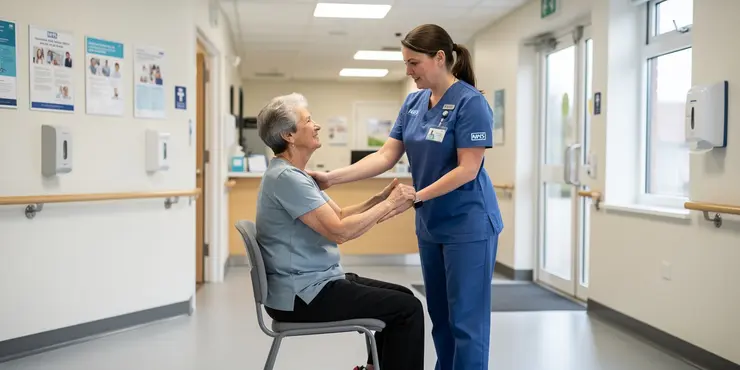
Lifting and transferring patients is another aspect that adds to the physical strain of nursing. Despite advancements in technology and the availability of mechanical aids, nurses regularly reposition patients, assist them in mobility exercises, and help them with daily activities. This requires proper lifting techniques and considerable physical strength to prevent injury to both the nurse and the patient.
Ergonomics and Injury Prevention
The NHS recognizes the physical challenges nurses face and consequently places a strong emphasis on ergonomics and injury prevention. Training on proper body mechanics and the use of lifting aids is routinely provided to minimize the risk of musculoskeletal injuries, which are prevalent among healthcare workers. Despite these precautions, nurses must remain vigilant and maintain good physical health to reduce the risk of chronic conditions often associated with the profession.
The Emotional Toll
Besides the physical aspects, nursing takes a significant emotional toll, which can indirectly affect physical well-being. The job involves dealing with life-and-death situations, supporting grieving families, and managing high-pressure scenarios. This emotional stress can lead to physical symptoms such as fatigue, headaches, and muscle tension, potentially impairing a nurse's ability to perform physically demanding tasks efficiently.
Supporting Nurses' Well-being
To support the well-being of NHS nurses, there is a growing emphasis on ensuring proper working conditions and providing access to wellness programs. Regular breaks, access to physiotherapy, mental health support, and workplace flexibility are crucial elements in maintaining nurses' overall health. Hospitals and clinics are encouraged to foster a supportive environment where the physical and mental health of nurses is prioritized.
Conclusion
In summary, a career in NHS nursing is undeniably physically demanding. The demands of patient care, combined with long hours and the emotional stress of the job, require nurses to maintain not just physical strength but also overall health and well-being. Recognizing these demands, the NHS provides resources and training to support its nurses, ensuring that they can continue to deliver high-quality care to patients across the UK.
How Hard is it to be a Nurse in the NHS?
Being a nurse in the NHS in the UK is a very rewarding job. But it is also a tough job that needs a lot of physical effort. Nurses work all the time, day and night, so they must stay fit to do their job well and keep patients safe.
What Makes the Job Hard?
Nurses have to move around a lot. They are on their feet for long times, sometimes working 12 hours or more. They walk quickly between different parts of the hospital, answer patient calls, and handle emergencies. This means nurses need energy, speed, and strength.
Helping patients move is also a big part of the job. Nurses use special machines to help lift patients, but they still need to help move patients or help them exercise. This needs good ways to lift without getting hurt and strong muscles to help patients safely.
Staying Safe from Injuries
The NHS knows nursing can be hard on the body. So, they teach nurses how to move and lift safely. They also use lifting machines to help avoid injuries. Even with these helps, nurses should keep healthy to not get long-term injuries from their work.
Feeling Stressed
Nursing is not just hard on the body. It can also be stressful. Nurses deal with very serious situations, help families who are upset, and work under pressure. This stress can make nurses feel very tired or have aches, which can make it harder to do their physical work.
Helping Nurses Feel Better
To help nurses, the NHS is making sure they have good working conditions. Nurses get breaks, physiotherapy, support for their mental health, and flexible work options. Hospitals work to make sure nurses are healthy and feel good, both physically and mentally.
Conclusion
Being a nurse in the NHS is tough on the body. Nurses care for patients, work long hours, and manage stress. They need to be strong and healthy. The NHS helps nurses by giving them support and training, so they can keep giving great care to people in the UK.
Frequently Asked Questions
A physically demanding career in NHS nursing involves frequent patient movement, standing for long periods, walking between wards, assisting with mobility and transfers, handling equipment, and responding to urgent clinical situations. It can also include shift work, exposure to busy environments, and repetitive tasks that place strain on the body.
A physically demanding career in NHS nursing may suit people who are physically fit, resilient, calm under pressure, and able to work as part of a team. It is also a good fit for those who can maintain good posture, use safe manual handling techniques, and manage the emotional and physical demands of patient care.
The main physical challenges in a physically demanding career in NHS nursing include lifting or supporting patients, prolonged standing and walking, working night shifts, dealing with fatigue, and performing repetitive tasks. Nurses may also face strain from moving equipment, emergency responses, and working in fast-paced environments.
You can prepare for a physically demanding career in NHS nursing by improving overall fitness, building core and leg strength, practising safe lifting techniques, maintaining flexibility, and pacing yourself during long shifts. Good sleep, hydration, and regular exercise can also help you cope with physical workload.
A physically demanding career in NHS nursing usually includes mandatory manual handling training, which teaches safe patient transfer techniques, use of hoists and slide sheets, and ways to reduce injury risk. This training helps nurses protect themselves and patients during everyday care tasks.
Shift work in a physically demanding career in NHS nursing can increase fatigue, disrupt sleep, and make recovery between shifts harder. Early starts, nights, weekends, and long shifts can all add to physical strain, so good rest, nutrition, and planning are important.
Common injuries in a physically demanding career in NHS nursing include back strain, shoulder pain, repetitive strain injuries, foot and leg discomfort, and slips or falls. These risks can be reduced through proper footwear, safe moving and handling practice, and reporting hazards early.
You can reduce back pain in a physically demanding career in NHS nursing by using correct posture, avoiding twisting while lifting, asking for help with heavy tasks, using equipment such as hoists, and strengthening your core muscles. Early reporting of pain can also prevent more serious injury.
The NHS may offer occupational health support, manual handling training, ergonomic advice, adjusted duties, and access to wellbeing services for people in a physically demanding career in NHS nursing. Support can vary by trust, but managers and occupational health teams can often help with injuries or concerns.
Yes, a physically demanding career in NHS nursing can often be managed with reasonable adjustments depending on the role and the person’s health needs. Adjustments may include modified duties, adapted equipment, altered shifts, or temporary changes after injury or during pregnancy.
The best footwear for a physically demanding career in NHS nursing is supportive, well-fitting, slip-resistant, and designed for long periods of standing and walking. Proper footwear can reduce foot pain, improve comfort, and lower the risk of falls.
Teamwork is essential in a physically demanding career in NHS nursing because many tasks require help from colleagues, such as moving patients, responding to emergencies, and managing busy shifts. Good teamwork reduces physical strain and improves patient safety.
Fitness plays an important role in a physically demanding career in NHS nursing because it helps with stamina, posture, strength, and recovery after shifts. While elite fitness is not required, regular activity can make the work safer and more manageable.
Long shifts can reduce energy in a physically demanding career in NHS nursing because nurses may spend many hours on their feet, responding to constant demands. Taking breaks, staying hydrated, eating well, and using good time management can help maintain energy levels.
Signs that a physically demanding career in NHS nursing may be becoming too much include persistent pain, exhaustion, frequent near-misses, reduced concentration, poor sleep, and difficulty recovering between shifts. If these occur, it may be time to seek support or review workload and duties.
Breaks help in a physically demanding career in NHS nursing by reducing fatigue, giving muscles time to recover, and improving focus and decision-making. Even short rest periods can make a difference during demanding shifts.
Pregnancy in a physically demanding career in NHS nursing may require a risk assessment, adjustments to manual handling duties, more frequent breaks, and temporary changes to shift patterns. It is important to speak with a manager and occupational health team early.
Stress can make a physically demanding career in NHS nursing feel harder by increasing fatigue, muscle tension, and the risk of mistakes. High stress can also affect sleep and recovery, so wellbeing support and workload management are important.
A physically demanding career in NHS nursing can lead to progression into specialist nursing, education, leadership, advanced practice, or less physically intense roles over time. Experience on the ward can build skills that support a wide range of career paths.
You may know a physically demanding career in NHS nursing is right for you if you enjoy caring for people, can work in a busy team, and are prepared for physical activity, shift work, and emotional pressure. Visiting a ward, speaking to nurses, or shadowing can help you decide.

Ergsy Search Results
This website offers general information and is not a substitute for professional advice.
Always seek guidance from qualified professionals.
If you have any medical concerns or need urgent help, contact a healthcare professional or emergency services immediately.
Some of this content was generated with AI assistance. We've done our best to keep it accurate, helpful, and human-friendly.
- Ergsy carefully checks the information in the videos we provide here.
- Videos shown by Youtube after a video has completed, have NOT been reviewed by ERGSY.
- To view, click the arrow in centre of video.
- Most of the videos you find here will have subtitles and/or closed captions available.
- You may need to turn these on, and choose your preferred language.
- Go to the video you'd like to watch.
- If closed captions (CC) are available, settings will be visible on the bottom right of the video player.
- To turn on Captions, click settings.
- To turn off Captions, click settings again.