
Speak To An Expert
Get clear, personalised advice for your situation.
Jot down a few questions to make the most of your conversation.
Introduction to Exercising During Pregnancy
Pregnancy is a unique and special time in a woman's life, marked by significant physical and emotional changes. Staying active can help manage these changes by boosting energy levels, promoting better sleep, and preparing the body for childbirth. However, knowing how often to exercise during pregnancy can be tricky, especially as the body adapts to different stages. In this guide, tailored for a UK audience, we delve into how often you should exercise during pregnancy.
General Guidelines
The NHS recommends that pregnant women aim for at least 150 minutes of moderate-intensity exercise each week. This can be broken down into 30-minute sessions on most days of the week. "Moderate-intensity" means that you should still be able to hold a conversation while exercising but feel slightly out of breath. It’s essential to listen to your body, as the amount and type of exercise that feels comfortable can vary greatly depending on your stage of pregnancy and individual health conditions.
Types of Exercise
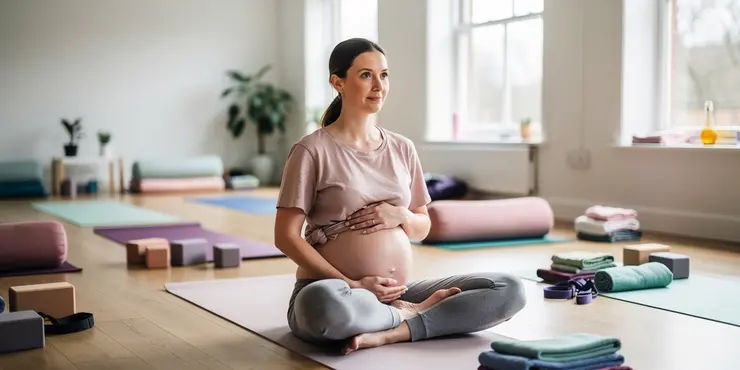
There are various types of exercises suitable during pregnancy. Walking, swimming, and prenatal yoga are highly recommended as they are low-impact and can be easily modified. Walking is an excellent way to stay fit and active while enjoying the outdoors. Swimming provides a full-body workout and is gentle on the joints due to the buoyancy of the water. Prenatal yoga helps with flexibility, relaxation, and breathing techniques that can be beneficial during labour.
First Trimester
In the first trimester, many women can continue with their pre-pregnancy exercise routines, but modifications may be necessary, especially if fatigue, nausea, or other symptoms persist. Some women find that they need to reduce the intensity and duration of their workouts during this time. It's important to pace yourself and avoid overheating, especially when exercising indoors or in hot weather.
Second Trimester
During the second trimester, some women may experience an increase in energy levels and choose to engage more in physical activity. It’s a good time to focus on strengthening exercises, particularly those that support the back and core, as they help manage the additional weight and changes in posture. It’s crucial to avoid exercises that involve lying flat on your back and those with a risk of falling.
Third Trimester
In the third trimester, the body prepares for labour and delivery, and some exercises might become more challenging. Gentle activities like walking and swimming remain excellent options. Pay careful attention to comfort and safety, stopping any activities that cause pain or discomfort. Exercises focusing on breathing and relaxation can also be beneficial during this time.
Consulting a Healthcare Professional
Prior to beginning any exercise regime during pregnancy, consult with your healthcare provider, particularly if you have not been active before pregnancy or have any medical conditions. Your midwife or doctor can provide personalized advice based on your health and pregnancy progression. They can also address any concerns you may have and ensure your safety and wellbeing throughout your pregnancy journey.
Introduction to Exercising During Pregnancy
Being pregnant is a special time for a woman. Your body and feelings change a lot. Exercise can help you feel better. It can give you more energy, help you sleep, and get your body ready for birth. But knowing how much to exercise can be hard. This guide, made for people in the UK, will help you understand how often to exercise when you are pregnant.
General Guidelines
The NHS says pregnant women should try to do 150 minutes of moderate exercise each week. This can be split into 30 minutes on most days. "Moderate" means you can still talk, but you might be a little out of breath. Listen to your body. The best exercise for you can change depending on how far along you are in your pregnancy and your health.
Types of Exercise
There are many good exercises you can do when you are pregnant. Walking, swimming, and prenatal yoga are great choices. They are gentle and easy to change if needed. Walking helps you stay active and enjoy being outside. Swimming works out your whole body and is gentle because the water supports you. Prenatal yoga helps you stretch, relax, and learn to breathe well, which is helpful when you have the baby.
First Trimester
In the first few months, many women keep doing what they did before they were pregnant. But if you feel tired or sick, you might need to cut back a bit. Go at your own pace and don't get too hot, especially if it's warm outside or inside.
Second Trimester
In the middle months, some women feel more energy. This is a good time to do exercises that make you stronger, especially for your back and tummy. This helps with the extra weight and changes in how you stand. Do not do exercises where you lie flat on your back or might fall down.
Third Trimester
In the last few months, your body gets ready to give birth. Some exercises can be harder now. Gentle exercises like walking and swimming are still good. Make sure you feel comfortable and safe. Stop doing anything that hurts or feels bad. Focus on breathing and relaxing exercises too.
Consulting a Healthcare Professional
Before starting any exercise plan, talk to your doctor or midwife. This is extra important if you were not active before getting pregnant or if you have health problems. Your doctor can give you advice just for you and help keep you safe and healthy while you are pregnant.
Frequently Asked Questions
Most experts recommend that pregnant women aim for at least 150 minutes of moderate-intensity exercise per week.
Yes, it's generally safe to exercise every day if you are comfortable and have no complications, but ensure each session is not overly strenuous.
Yes, exercise is generally safe throughout pregnancy, but activities and intensity may need adjustment as the pregnancy progresses.
Yes, consulting your doctor is important, especially if you have pre-existing conditions or pregnancy complications.
Walking, swimming, and prenatal yoga are commonly recommended as they are low-impact and support overall fitness.
If you have a regular routine and your doctor approves, you may continue with modifications to accommodate your changing body.
Listen to your body. If you feel pain, dizziness, or shortness of breath, you may be overexerting yourself.
Use the ‘talk test’—if you can hold a conversation while exercising, the intensity is likely appropriate.
Avoid high-impact sports, activities with a risk of falling, or those that involve lying flat on your back after the first trimester.
Yes, exercises should be adjusted to accommodate changes in balance, energy levels, and physical capacity.
Exercise can improve mood, increase energy levels, reduce common pregnancy discomforts, and promote better sleep.
Yes, light strength training can be beneficial, but avoid heavy lifting and high-intensity intervals.
Set small, achievable goals and choose activities you enjoy. Joining a prenatal exercise class can also help maintain motivation.
Yes, being fit and active can improve endurance and strength, which may aid in labor and delivery.
It's crucial to stay hydrated, so drink water before, during, and after exercising to prevent dehydration.
Yes, with your doctor’s approval, you can start with low-intensity activities like walking or prenatal yoga.
Yes, but focus on core stability and avoid exercises that involve lying on your back after the first trimester.
Swimming is an excellent option as it provides full-body conditioning, is low-impact, and helps relieve swelling.
Instead of heart rate, monitor your exertion level by ensuring you can maintain a conversation during exercise.
Yes, maintaining fitness during pregnancy can ease postnatal recovery and resumption of pre-pregnancy activities.
Experts think that pregnant women should try to do 150 minutes of exercise every week. The exercise should make you breathe a bit faster, but you should still be able to talk.
Here are some ideas to help you:
- Break it up: You can do 30 minutes of exercise on 5 days, or split it into smaller bits like 15 minutes twice a day.
- Use reminders: Set an alarm on your phone to remember your exercise time.
- Exercise with a friend: It can be fun to move with someone else.
Yes, it's usually safe to exercise every day if you feel good and have no problems. But make sure you don't exercise too hard.
Yes, it is usually safe to do exercise when you are pregnant. But, you might need to change what exercises you do and how hard you do them as your pregnancy goes on.
It is important to talk to your doctor. This is very important if you are already sick or if you are having a baby and there are problems.
Walking, swimming, and doing yoga for pregnant women are good exercises. They are gentle and help keep you fit.
If your doctor says it's okay, you can keep doing your usual activities. You might just need to change how you do them to fit your body as it changes.
Pay attention to your body. If you feel pain, feel dizzy, or have trouble breathing, you might be doing too much.
Try the 'talk test'. If you can talk to someone while you are exercising, you are doing it at the right level.
Do not do sports that might make you fall down. Stay away from activities where you lie on your back after the first 3 months of being pregnant.
Yes, exercises should change if your balance, energy, or strength changes.
Exercise can help you feel happier, give you more energy, make you feel more comfortable during pregnancy, and help you sleep better.
Yes, doing some light exercises with weights can be good for you. But don't lift really heavy weights or do really hard exercises really fast.
Make small, easy goals you can reach. Pick activities you like. Joining an exercise class for pregnant people can help you stay motivated too.
Yes, being fit and active can help your body get stronger and healthier. This might make it easier when you are having a baby.
It is very important to drink water. Drink water before you exercise, while you exercise, and after you exercise. This will help you stay healthy and not get too thirsty.
Your doctor says it's okay. You can start doing easy exercises like walking or yoga for pregnant people.
Yes, you can. But be careful. Work on making your tummy and back strong. Don't do exercises where you lie on your back after the first three months.
Swimming is a great way to exercise. It uses your whole body, is gentle on your joints, and can help reduce swelling.
Instead of checking your heart rate, make sure you can talk while you are exercising. This helps you see how hard you are working.
Yes, staying fit when you are pregnant can help you feel better after the baby is born and make it easier to get back to doing things you did before you were pregnant.

Ergsy Search Results
This website offers general information and is not a substitute for professional advice.
Always seek guidance from qualified professionals.
If you have any medical concerns or need urgent help, contact a healthcare professional or emergency services immediately.
Some of this content was generated with AI assistance. We've done our best to keep it accurate, helpful, and human-friendly.
- Ergsy carefully checks the information in the videos we provide here.
- Videos shown by Youtube after a video has completed, have NOT been reviewed by ERGSY.
- To view, click the arrow in centre of video.
- Most of the videos you find here will have subtitles and/or closed captions available.
- You may need to turn these on, and choose your preferred language.
- Go to the video you'd like to watch.
- If closed captions (CC) are available, settings will be visible on the bottom right of the video player.
- To turn on Captions, click settings.
- To turn off Captions, click settings again.