
Speak To An Expert
Get clear, personalised advice for your situation.
Jot down a few questions to make the most of your conversation.
Introduction to Mixed Exercises
Mixed exercises combine various types of physical activities such as cardio, strength, and flexibility training. Incorporating diversity into your workout routine can boost overall fitness and help prevent injuries.
Planning your workout regimen requires considering your personal goals, fitness level, and schedule. It’s important to find a balance that suits your lifestyle while providing sufficient physical challenge.
Recommendations for Frequency
As a general guideline, adults should aim for at least 150 minutes of moderate aerobic activity per week. This could be achieved through a variety of mixed exercises.
Additionally, it’s beneficial to incorporate muscle-strengthening activities on two or more days a week. This ensures that your body receives a thorough workout.
Balancing Different Exercise Types
Cardiovascular exercises can be done more frequently, such as 3 to 5 times a week. This includes activities like running, cycling, or swimming.
Strength training, however, is usually recommended 2 to 3 times per week. It’s crucial to allow at least one rest day between sessions for recovery.
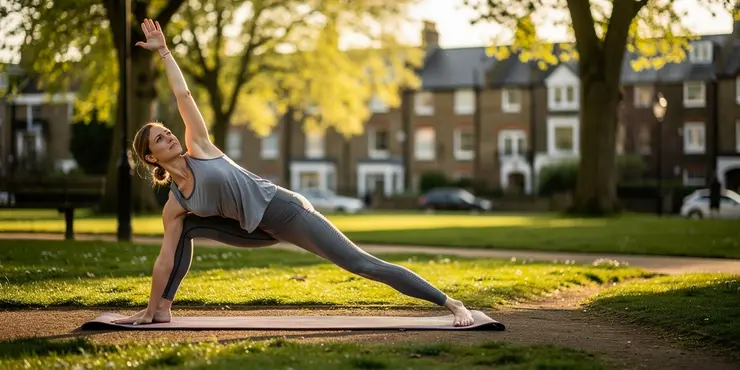
Incorporating flexibility and stretching exercises can be done daily. This may include activities like yoga or Pilates, which promote joint health and reduce stress.
Customising for Individual Needs
Your exercise frequency may vary based on individual factors such as fitness level, age, and health conditions. Beginners might need more rest days as they adapt to new routines.
Consulting with a fitness professional can provide personalised advice. They can help tailor a programme that meets your specific requirements and aspirations.
Listening to Your Body
Paying attention to your body’s signals is crucial when determining exercise frequency. Feelings of fatigue, soreness, or pain may indicate the need for more rest or variation.
A flexible approach to workouts helps maintain long-term engagement and prevents burnout. Adjusting your routine as needed can promote sustained motivation and progress.
Conclusion
In summary, an effective mixed exercise routine combines regular aerobic, strength, and flexibility training. Striking the right balance depends on personal goals and lifestyle factors.
Remember, consistency is key. Maintain an active lifestyle that encourages enjoyment and long-term health benefits.
Frequently Asked Questions
It's recommended to include mixed exercises in your routine 3-5 times per week for balanced fitness.
Mixed exercises combine different types of physical activity, such as strength training, cardio, flexibility, and balance exercises.
It's best to give your body rest days to recover, so aim for mixed exercises 3-5 times a week with rest days in between.
It's not necessary; you can alternate between high-intensity and low-intensity days or take rest days in between.
Each session can last from 30 to 60 minutes, depending on your fitness level and goals.
There's no strict order, but a balanced approach includes warming up, cardio, strength training, flexibility, and cool-down.
Mixed exercises improve overall fitness, increase strength and endurance, enhance flexibility, and reduce the risk of injury.
You can combine activities like running, weight lifting, yoga, and balance exercises into your weekly plan.
Yes, beginners can start with low-intensity mixed exercises and gradually increase intensity as they build strength and endurance.
Yes, mixed exercises can help in weight loss by burning calories, building muscle, and improving metabolic rate.
Ensure you warm up properly, stay hydrated, and listen to your body to avoid overtraining or injury.
Absolutely, mixed exercises can improve muscle mass, balance, flexibility, and overall health in older adults.
A sample routine could include 10 minutes of cardio, 20 minutes of strength training, and 10 minutes of flexibility exercises.
Track your progress through fitness assessments like increased endurance, strength, flexibility, and changes in body composition.
Common equipment includes resistance bands, dumbbells, yoga mats, and sometimes no equipment is needed for bodyweight exercises.
Yes, many mixed exercises can be done at home with minimal equipment or using body weight.
If you're new to exercise or have specific health concerns, consulting a trainer or healthcare professional is a good idea.
Setting clear goals, tracking progress, varying workouts, and working out with a partner can help maintain motivation.
Yes, mixed exercises can complement a healthy diet to enhance fitness, but ensure you are consuming enough nutrients to support your activity level.
Yes, regular physical activity, including mixed exercises, can reduce stress, enhance mood, and improve overall mental health.

Ergsy Search Results
This website offers general information and is not a substitute for professional advice.
Always seek guidance from qualified professionals.
If you have any medical concerns or need urgent help, contact a healthcare professional or emergency services immediately.
Some of this content was generated with AI assistance. We've done our best to keep it accurate, helpful, and human-friendly.
- Ergsy carefully checks the information in the videos we provide here.
- Videos shown by Youtube after a video has completed, have NOT been reviewed by ERGSY.
- To view, click the arrow in centre of video.
- Most of the videos you find here will have subtitles and/or closed captions available.
- You may need to turn these on, and choose your preferred language.
- Go to the video you'd like to watch.
- If closed captions (CC) are available, settings will be visible on the bottom right of the video player.
- To turn on Captions, click settings.
- To turn off Captions, click settings again.