
Get Answers
How doctors diagnose norovirus
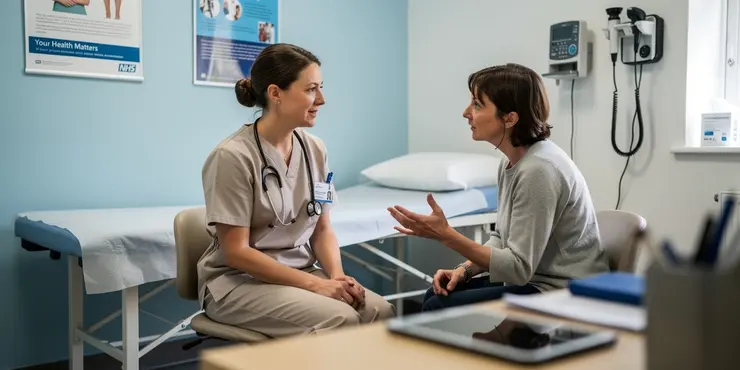
Norovirus is usually diagnosed based on your symptoms and how quickly they started. In many cases, a GP or pharmacist can identify it from the pattern of vomiting, diarrhoea and stomach cramps, especially if other people around you are also ill.
Because norovirus often gets better on its own, most people do not need formal testing. Diagnosis in the UK is usually clinical, which means it is made from your history and symptoms rather than a laboratory result.
When testing may be needed
Tests are more likely to be used if symptoms are severe, unusual, or lasting longer than expected. They may also be needed if you are in hospital, in a care home, or part of an outbreak such as one affecting a school, ward or workplace.
A test may also be considered if a doctor wants to rule out another cause of gastroenteritis. This is more likely if there is blood in the stool, a high temperature, signs of dehydration, or if you have recently travelled abroad.
What the test involves
If testing is needed, the most common sample is a stool sample. This is checked in a laboratory for signs of norovirus, often using a PCR test that looks for viral genetic material.
Sometimes a sample is taken from a vomit or diarrhoea outbreak investigation rather than from every individual person. NHS professionals may also use additional tests to look for bacteria or other viruses if the cause is unclear.
Who is more likely to be tested
Testing is more common for babies, older adults, and people with weaker immune systems. These groups are at higher risk of complications such as dehydration, so confirming the cause can help guide treatment.
Doctors may also test if someone has been admitted to hospital or if there is a need to track an outbreak. In these situations, confirming norovirus helps infection control teams prevent it spreading to other people.
Getting a diagnosis and what happens next
For most people in the UK, a diagnosis of norovirus does not require a laboratory test. If your symptoms fit the typical pattern, a healthcare professional may simply advise rest, fluids, and staying away from others until you are well.
If you are worried about dehydration, severe symptoms, or symptoms that do not improve, speak to a GP, NHS 111, or a pharmacist. Seek urgent help if you are unable to keep fluids down, seem confused, have very little urine, or feel faint.
Frequently Asked Questions
Norovirus diagnosis is the process of identifying a norovirus infection based on symptoms, exposure history, and laboratory testing. It is most often confirmed with a stool test that detects norovirus genetic material, usually by PCR.
Someone should seek norovirus diagnosis if symptoms are severe, last more than a few days, or if there is a high-risk situation such as pregnancy, advanced age, immune suppression, or dehydration. Medical evaluation is also important if many people in a household or facility are ill.
Symptoms that may lead to a suspected norovirus diagnosis include sudden nausea, vomiting, watery diarrhea, stomach cramps, and sometimes low-grade fever or body aches. A recent exposure to a sick contact, contaminated food, or an outbreak setting also increases suspicion.
Norovirus diagnosis in a lab is usually performed by testing a stool sample using molecular methods such as PCR. These tests look for viral RNA and are highly sensitive compared with older methods.
Yes, norovirus diagnosis can sometimes be made clinically when symptoms and exposure history strongly suggest it, especially during a known outbreak. However, a stool test is the best way to confirm the infection when confirmation is needed.
Norovirus diagnosis with PCR testing is generally very accurate because it can detect small amounts of viral genetic material. Accuracy depends on sample quality, timing of the test, and whether the person is shedding the virus at the time of collection.
Norovirus diagnosis is often most reliable when stool testing is done soon after symptoms begin, while viral shedding is highest. Testing too late may reduce the chance of detection, especially if symptoms are already improving.
The most common sample used for norovirus diagnosis is stool. In some outbreak investigations, vomit or environmental samples may also be tested, but stool remains the standard clinical specimen.
Some rapid tests exist for norovirus diagnosis, but they are less sensitive than PCR and may miss cases. Because of that, stool PCR is preferred when a definite diagnosis is needed.
Norovirus diagnosis focuses on detecting a specific viral cause, while food poisoning can refer to illness from many different bacteria, viruses, or toxins. Because symptoms overlap, lab testing may be needed to distinguish norovirus from other causes.
Yes, norovirus diagnosis can be confused with influenza or other viral illnesses because symptoms may overlap. Norovirus more commonly causes vomiting and diarrhea, while influenza more often causes cough, sore throat, and muscle aches.
Yes, children can usually receive the same type of norovirus diagnosis testing as adults, most commonly stool PCR. In children, testing may be more likely if symptoms are severe, dehydration is present, or an outbreak is suspected.
Not always, because mild cases of norovirus diagnosis are often made based on symptoms and may not require testing. A doctor visit is more appropriate if symptoms are severe, prolonged, or there are risk factors for complications.
Yes, norovirus diagnosis can sometimes still be made if symptoms are improving, but detection may be less reliable if testing is delayed. Stool testing is more likely to confirm infection when collected earlier in the illness.
A positive norovirus diagnosis test means norovirus genetic material was found in the sample, which supports that the person has or recently had a norovirus infection. The result should be interpreted along with symptoms and exposure history.
A negative norovirus diagnosis test means norovirus was not detected in the sample, but it does not always completely rule out infection. If the sample was taken too early, too late, or was poor quality, the virus may be missed.
Yes, norovirus diagnosis is often a key part of outbreak investigations in schools, nursing homes, hospitals, cruise ships, and restaurants. Confirming a few cases can help public health officials identify the cause and control spread.
A stool sample for norovirus diagnosis should be collected in a clean, sterile container according to the lab or clinic instructions. Avoid contamination with urine or toilet water, and deliver the specimen promptly if possible.
At present, norovirus diagnosis is generally not done with widely available over-the-counter home tests. Most confirmed testing is performed in clinics, hospitals, or public health laboratories.
Norovirus diagnosis helps confirm the cause of symptoms so treatment can focus on hydration, rest, and preventing spread rather than unnecessary antibiotics. It may also help clinicians watch for dehydration or complications in higher-risk people.

Ergsy Search Results
This website offers general information and is not a substitute for professional advice.
Always seek guidance from qualified professionals.
If you have any medical concerns or need urgent help, contact a healthcare professional or emergency services immediately.
Some of this content was generated with AI assistance. We've done our best to keep it accurate, helpful, and human-friendly.
- Ergsy carefully checks the information in the videos we provide here.
- Videos shown by Youtube after a video has completed, have NOT been reviewed by ERGSY.
- To view, click the arrow in centre of video.
- Most of the videos you find here will have subtitles and/or closed captions available.
- You may need to turn these on, and choose your preferred language.
- Go to the video you'd like to watch.
- If closed captions (CC) are available, settings will be visible on the bottom right of the video player.
- To turn on Captions, click settings.
- To turn off Captions, click settings again.